Tag: Communication
-

Awe, Wonder and Monotropic Attention in Neuroqueer Learning Spaces
If Helen De Cruz designed a learning space, what would it look like? Helen Edgar follows wonder and awe through monotropism, glimmers, flow and Cavendish Space.
-
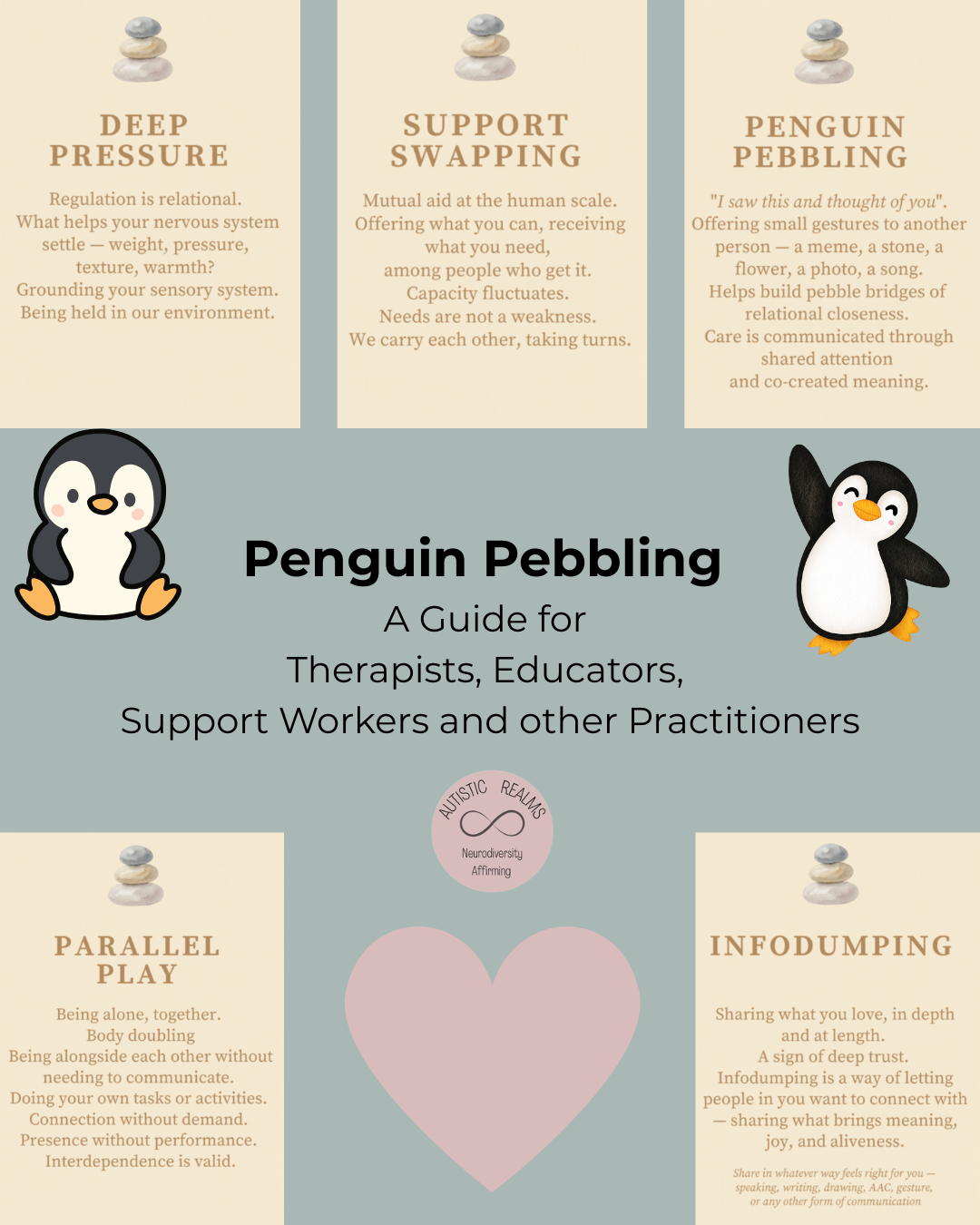
Penguin Pebbling: Theory, Practice and the Five Neurodivergent Love Locutions — A Guide for Practitioners
Penguin Pebbling is a low-demand, neurodiversity-affirming card game built around the Five Neurodivergent Love Locutions — five relational modes natural to many Autistic and neurodivergent people: infodumping, parallel play, support swapping, penguin pebbling, and deep pressure
-
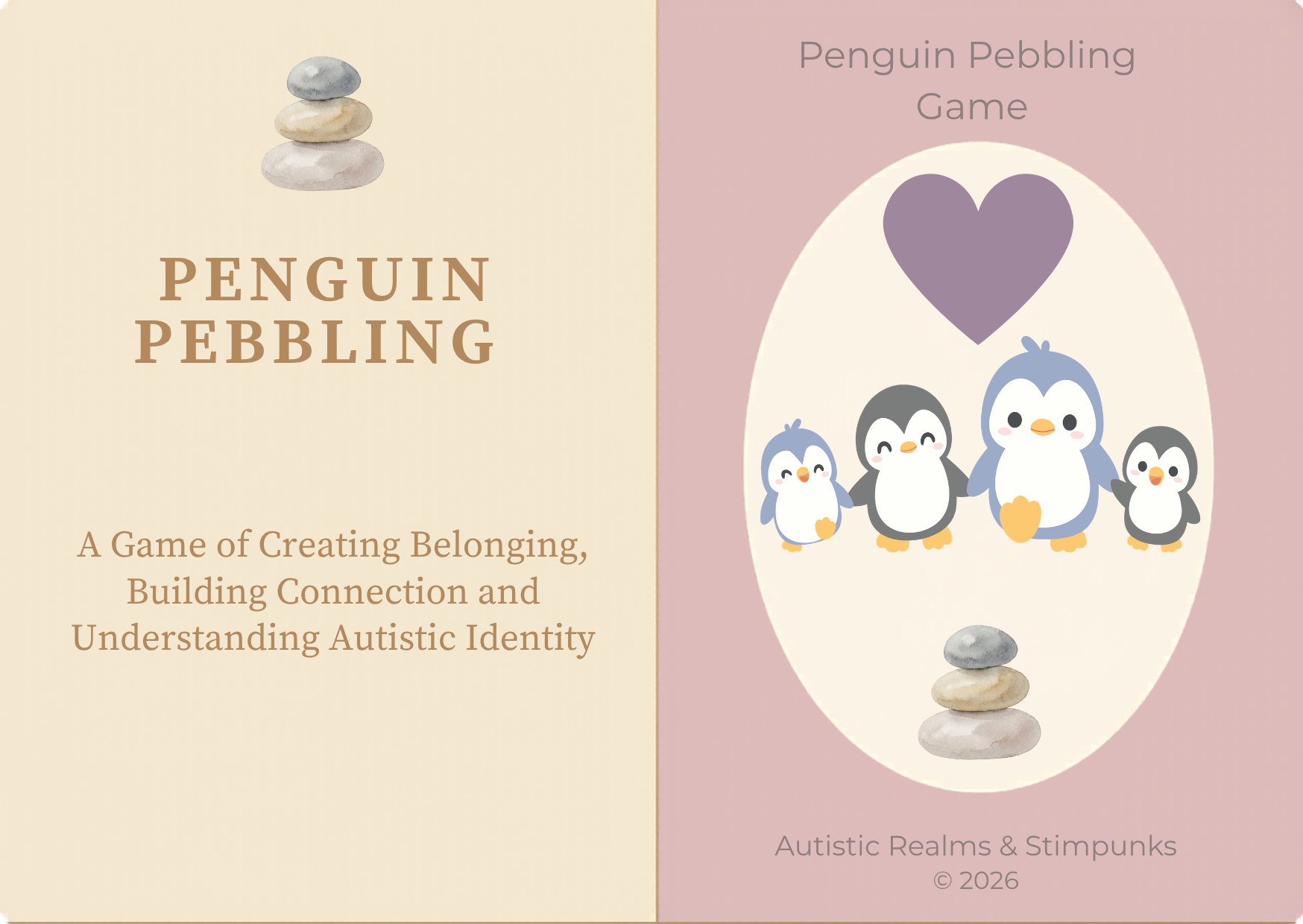
Penguin Pebbling: A Game of Creating Belonging, Building Connection and Understanding Autistic Identity
Penguin Pebbling: A Game of Creating Belonging, Building Connection and Understanding Autistic Identity
-
No Space Is Neutral: Safe Spaces, Imagined Neutrality, and the Work of Belonging
: No space is neutral. Exploring minority stress, the Double Empathy Problem, and what it really takes to build safer, neuroqueer spaces together.
-
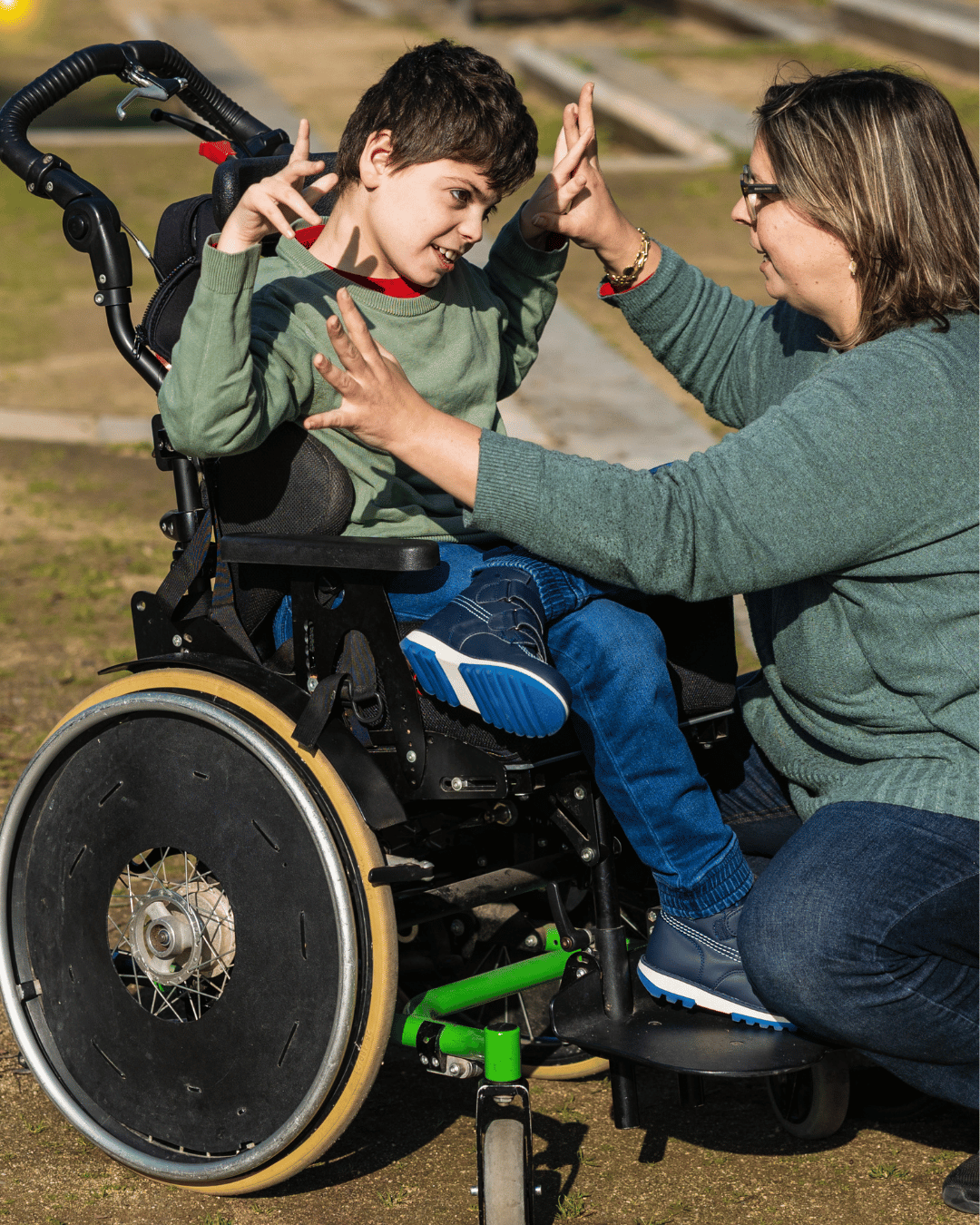
Being With People & The Value of Intensive Interaction
Helen Edgar draws on twenty years of practice alongside people with PMLD to explore why Intensive Interaction — when practised with genuine neuro-affirming care — is not just a communication approach. It is a way of being human together.
-
Intensive Interaction as Neuro-Affirming Relational Practice
Intensive Interaction isn’t about “fixing” or prompting communication. It’s about meeting someone where they are—through connection, attunement, and shared flow. A neuro-affirming, relational framing to support those with profound and multiple learning disabilities.
-
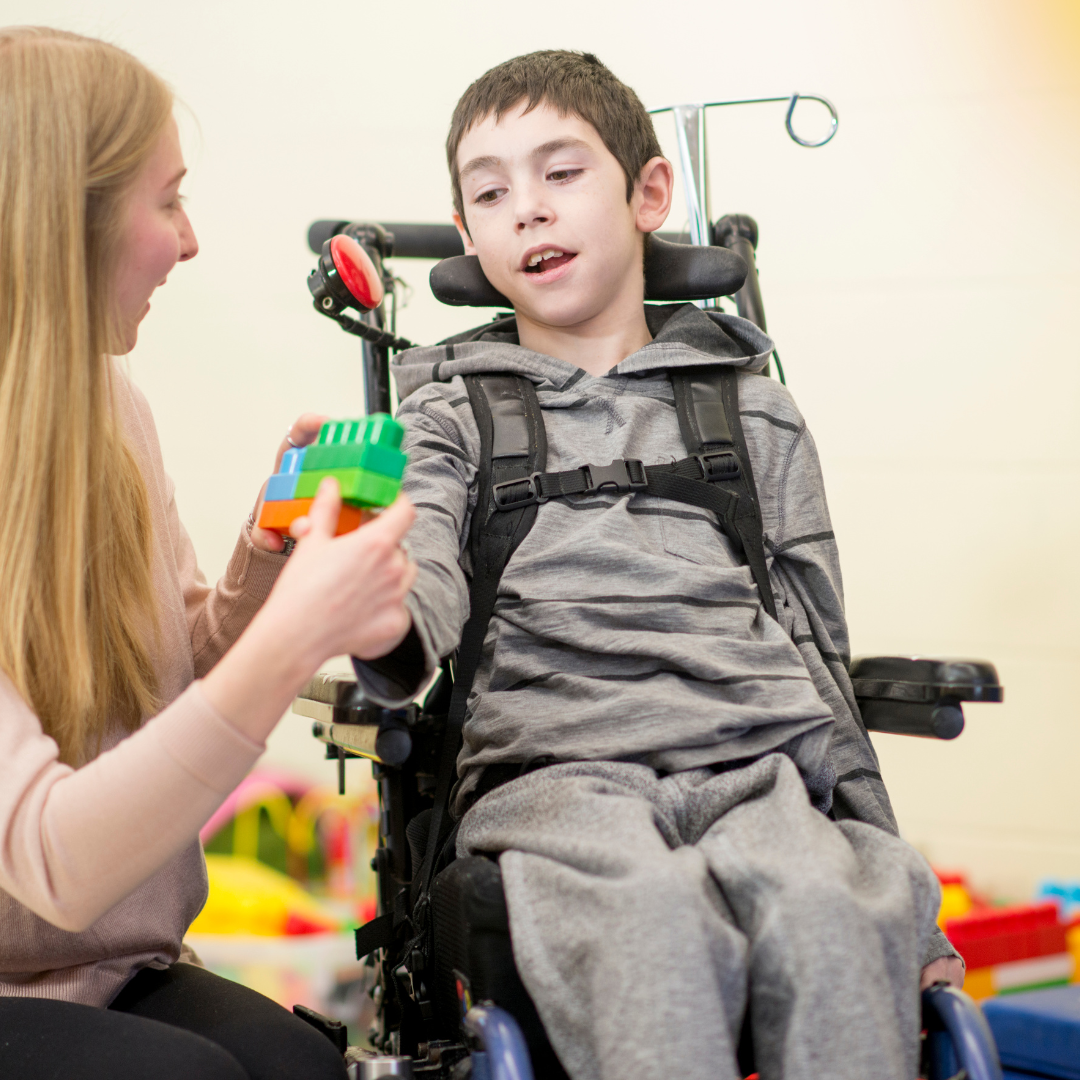
Beyond “Complex Needs”: Neuro-Affirming, Relational Practice with Children with Profound and Multiple Learning Disabilities
A neuro-affirming, relational approach to supporting children with profound and multiple learning disabilities, centred on safety, communication, and being-with.
-
Free 2025 Advent Calendar & Neuro-Affirming Autism Resources
Free 2025 Advent Calendar & Neuro-Affirming Autism Resources
-
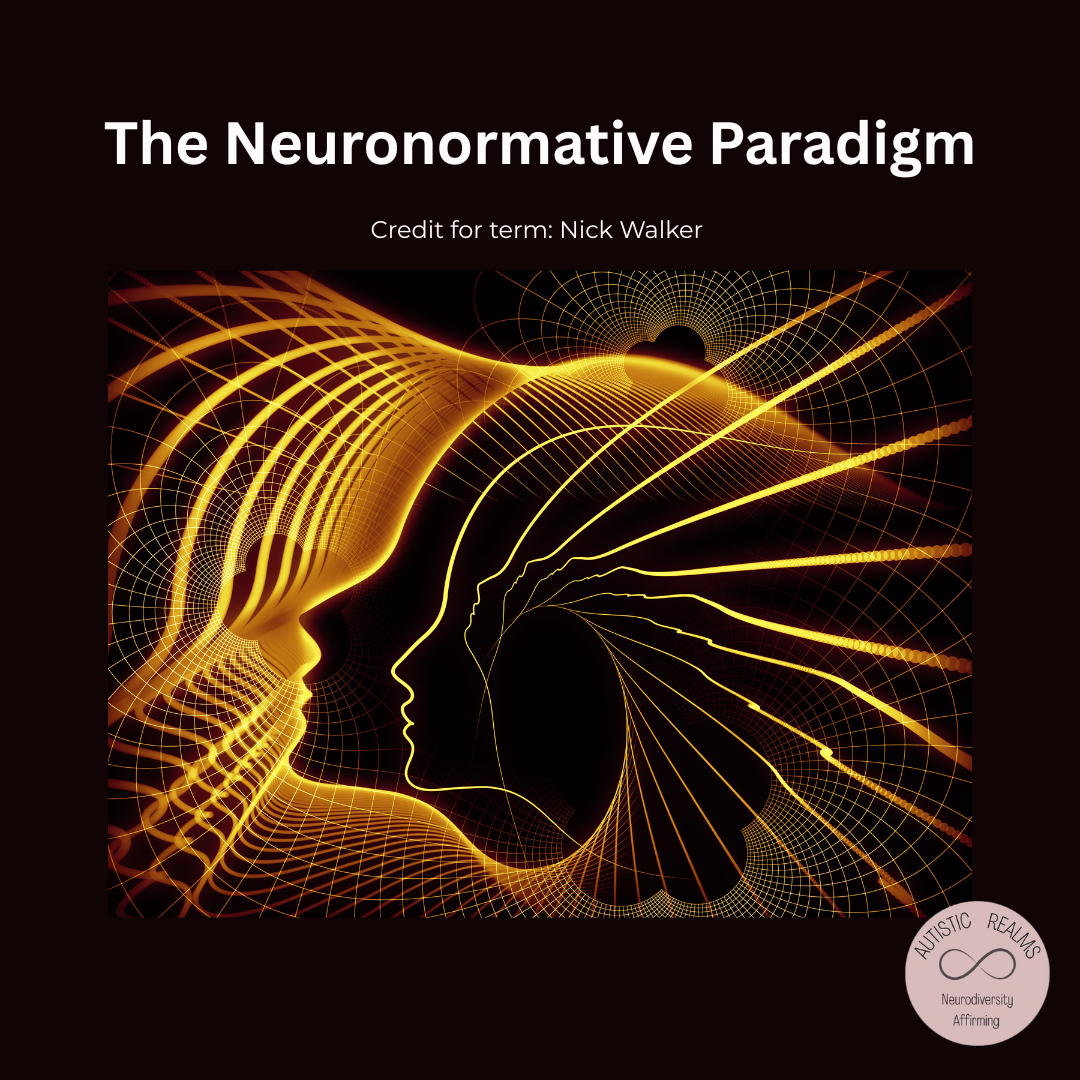
The Neuronormative Paradigm: Naming The Systems That Harm
The Neuronormative Paradigm, conceptualised by Nick Walker, names the systems that define and enforce what society considers normal. This exploration piece contrasts the neuronormative paradigm with the neurodiversity paradigm, which recognises all ways of being as vital to human diversity.
-
Understanding the Double Empathy Problem: A Guide For Autistic People & Families
FREE Neuro-Affirming Communication & Sensory Passport + Training Support Autistic people through better understanding of communication, sensory needs & double empathy.
-
Presuming Competence: A Neuro-Affirming Reframe To Support Autistic People
When “presume competence” is applied without a neuro-affirming lens, it can become a harmful, ableist expectation
-
Ethics & Values of Autistic Realms
Autistic Realms is grounded in values of authenticity, autonomy, and relational care for the human rights of Autistic or otherwise neurodivergent and disabled people. These guiding principles align closely with the ethics and principles of both the Therapist Neurodiversity Collective (TNDC) and the Autistic Self Advocacy Network (which I am a member of – ASAN),…
-
SPACE-TIME: A Monotropism Informed Framework for Autistic People
SPACE-TIME: A Monotropism-Informed Neuroaffirming Framework for Autistic People
-
Why PBS is Harmful for Autistic and Neurodivergent Young People
Exploring why and how Positive Behaviour Support (PBS) can harm Autistic people. #Neurodiversity #AutismAcceptance #PBS #DisabilityJustice
-
Autistic Pride: Rest, Resistance & Monotropism
Written for Autistic Pride Day 2025: what Autistic Pride means to me, from monotropism and the cost of masking to reclaiming rest and finding belonging in community.
-
Toileting: A Neuroaffirming Approach to Support your Autistic Child
Toileting is not a race. For many Autistic children, the journey may look different. Respecting a child’s pace, sensory needs, and body signals can make all the difference.
-
Neurodiversity Affirming Reading Recommendations
Looking for neurodiversity-affirming reads? I’ve have a growing collection of books listed by autistic authors, advocates, and researchers. Perfect for parents, professionals, and curious minds alike. Explore stories that affirm, not fix. Neurodivergent voices centred. From education to identity, burnout to belonging.
-
Challenges for Autistic & Neurodivergent Families Navigating the SEND System: We Need to Understand the Double Empathy Problem & Embrace Monotropism
(Blog based on a presentation I delivered to London Met University 14th March 2025, updated April 24th 2025 following the research published by…. Introduction The Special Educational Needs and Disabilities (SEND) system is designed to support children with additional needs, yet for many neurodivergent families, it presents more barriers than solutions. Families navigating this system…
-
Autistic Young People & Friendships
Discover how Autistic young people experience and build friendships in a way that honors their unique communication styles and interests.
-
Obstacles in the way of Neuro-Affirming Practice in Educational Settings & Ways Forward
Implementing neurodiversity-affirming practices in education, healthcare, and other systems is often hindered by pervasive narratives and biases. Recognizing and addressing these obstacles is crucial for fostering inclusive and supportive environments for neurodivergent and disabled individuals. Here are some common barriers that I have been working on with Stimpunks, who have a more in-depth page with…
-
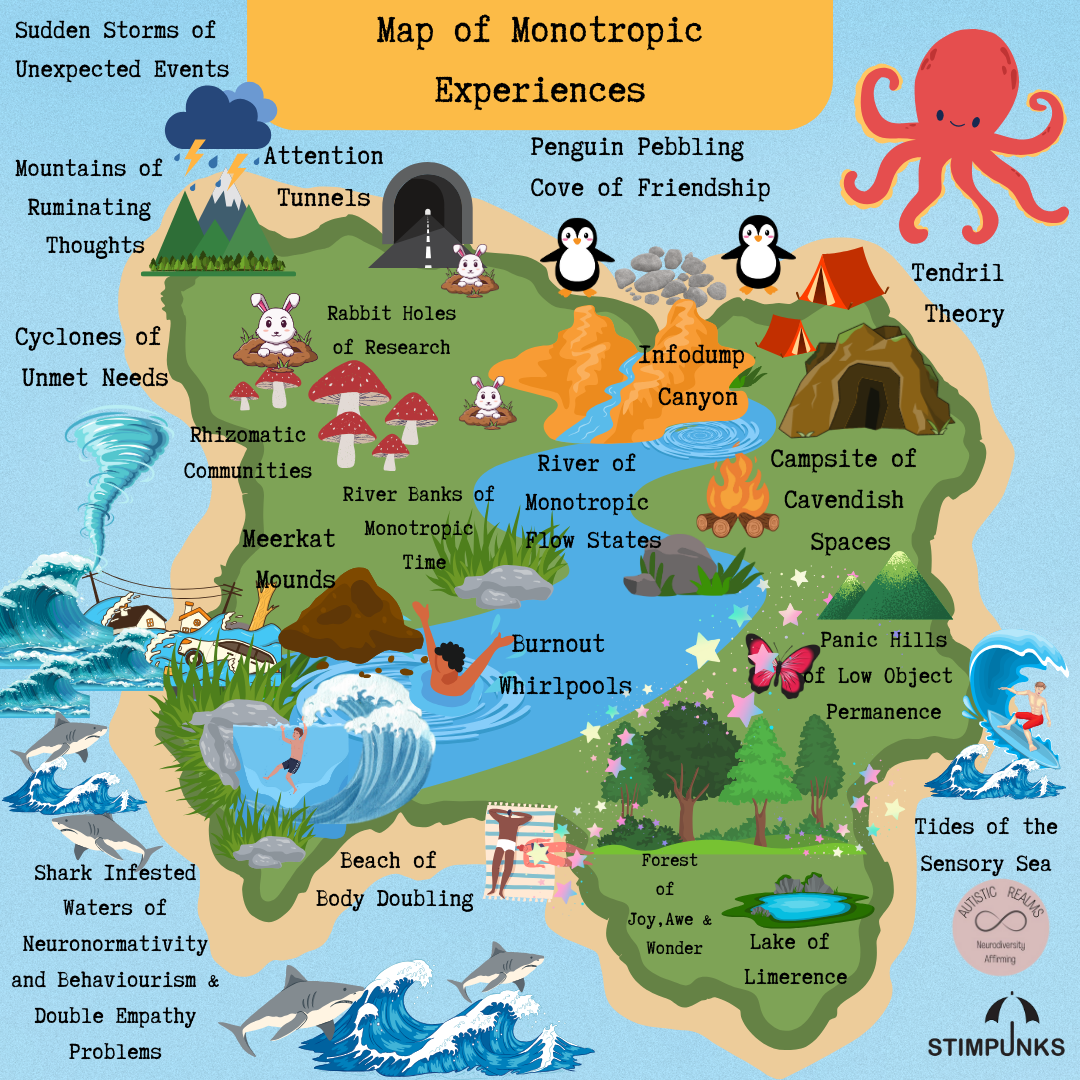
Neuronormative Domination, Monotropism & The Map of Monotropic Experiences
The Map of Monotropic Experiences now has a home of its own. Read more about neuronormative domination, the water the whole map sits in, at monotropicmap.org, and explore each of the twenty areas of the map there too. In collaboration with Stimpunks, I created a Map of Monotropic Experiences. This is a revised edition of…
-
Gestalt Language Processing, Monotropism & Young People
Monotropic (Autistic/ ADHD) people have fewer tunnels of interest to process and use their energy than polytropic people (non-Autistic/ADHD). Polytropic people can more easily split their processing and energy resources across multiple channels than monotropic people, this may explain some key differences in communication people experience. It may initially sound a bit conflicting to discuss…
-
Map of Monotropic Experiences
The Map of Monotropic Experiences now has a home of its own. Visit monotropicmap.org to explore each of the twenty areas, mark your own map and find the free training. You can also find the free training and downloads further down this page. Monotropism seeks to explain Autism in terms of attention distribution and interests. …
-
Spaces For Multi-Sensory Learners and those with Profound and Multiple Learning Disabilities
Helen Edgar (Autistic Realms) and Ryan Boren (Stimpunks) have been exploring radically inclusive learning environments. Cavendish learning spaces are based on flexibility, interaction, movement and the role of embodied responsive experiences. We reject the boundaries of traditional classroom settings and look at how they not only restrict embodied experiences but lead to disembodied experiences and…
-
Penguin Pebbling: An Autistic Love Language
Penguin Pebbling is a neurodivergent way of showing you care, like sharing a meme or twig or pretty stone to say “I’m thinking of you,” inspired by penguins who gift pebbles to those they care about.
-
Autism is fluid
Updated October 2026. “Being Autistic” is one of the searches that brings most people here, so a word on where this post sits now. It is a short statement of the neurodiversity paradigm: autism is a way of being, not a disorder to fix, and Autistic needs are fluid. If you want the vocabulary behind…
-
Neurodivergent Friendly Classrooms
Updated October 2026. I wrote this for Twinkl in 2023, and the attendance crisis it describes has only deepened. The classroom ideas still apply. Since then I have written about why behaviour-based approaches such as PBS do harm, and about the monotropism that underlies so much of what teachers see; both are worth reading alongside…
-
Total Communication
Total communication is not a new concept it evolved from the field of education for the deaf in the 1960s (Schow and Nerbonne 2007). Mueller (2021) defines total communication as including, ‘not only speech, signing, gestures, and written language, but also picture communication and voice output communication devices’. For those with profound and multiple…
-
Education Crisis – Neurodiversity Affirming Teacher Training Needed
Language Identity First Language: In line with preferences from the Autistic community I will be using Identity First Language (ie. Autistic person, NOT person with Autism) Neurodiversity – This relates to the biological fact that human brains and minds differ from each other. Neurodiversity aligns with the idea that all children are unique and…