Tag: Joy and glimmers
-

Awe, Wonder and Monotropic Attention in Neuroqueer Learning Spaces
If Helen De Cruz designed a learning space, what would it look like? Helen Edgar follows wonder and awe through monotropism, glimmers, flow and Cavendish Space.
-
Plain Language:
A plain-language guide to monotropism, wonder and awe — what happens when Autistic and ADHD attention is given space to notice, and stay
-
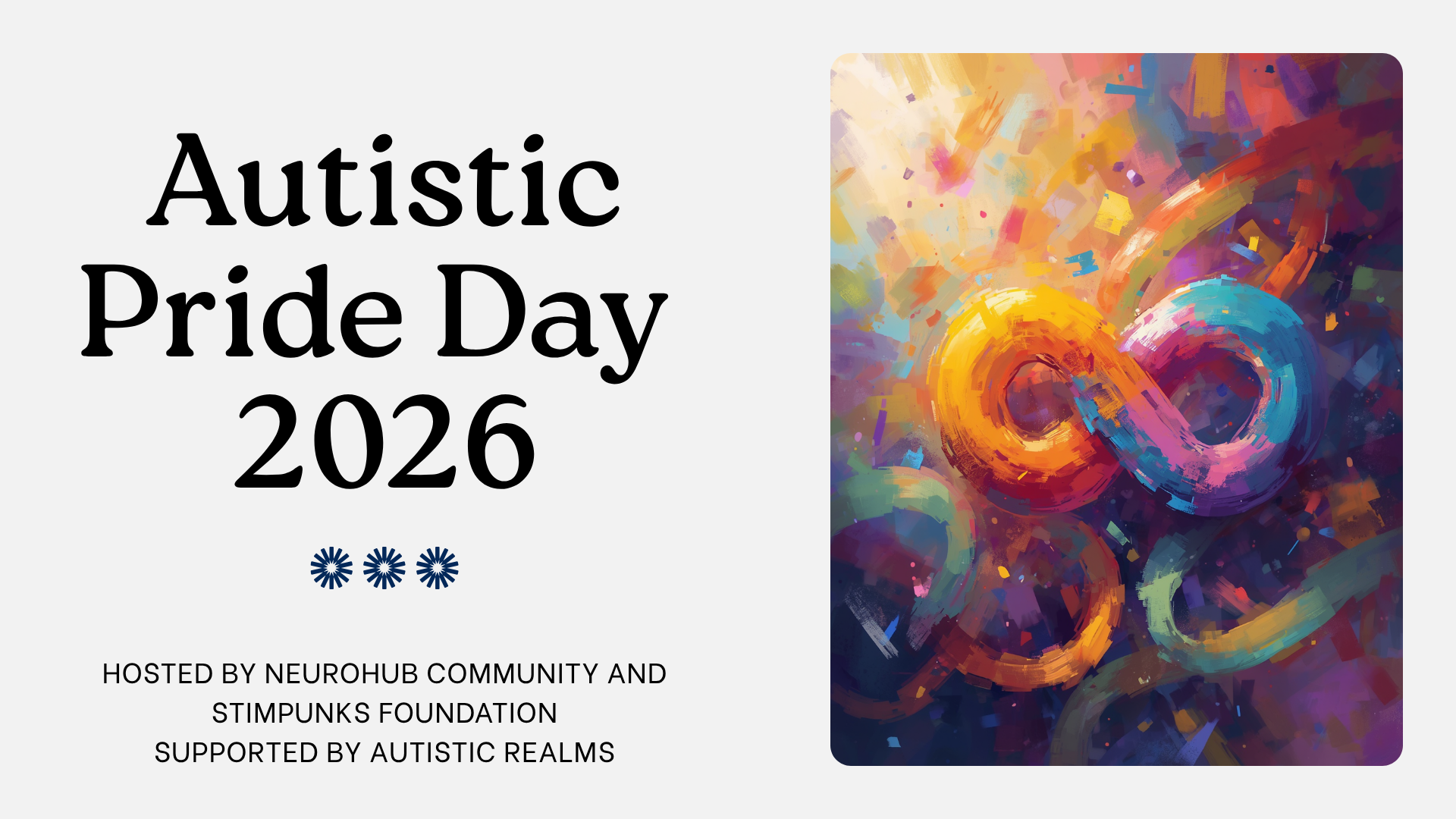
Stimming, Glimmers & Solidarity: Celebrating Autistic Pride Together
What is Autistic Pride Day? Explore its history, stimming, and glimmers with NeuroHub Community, Stimpunks & Autistic Realms.
-
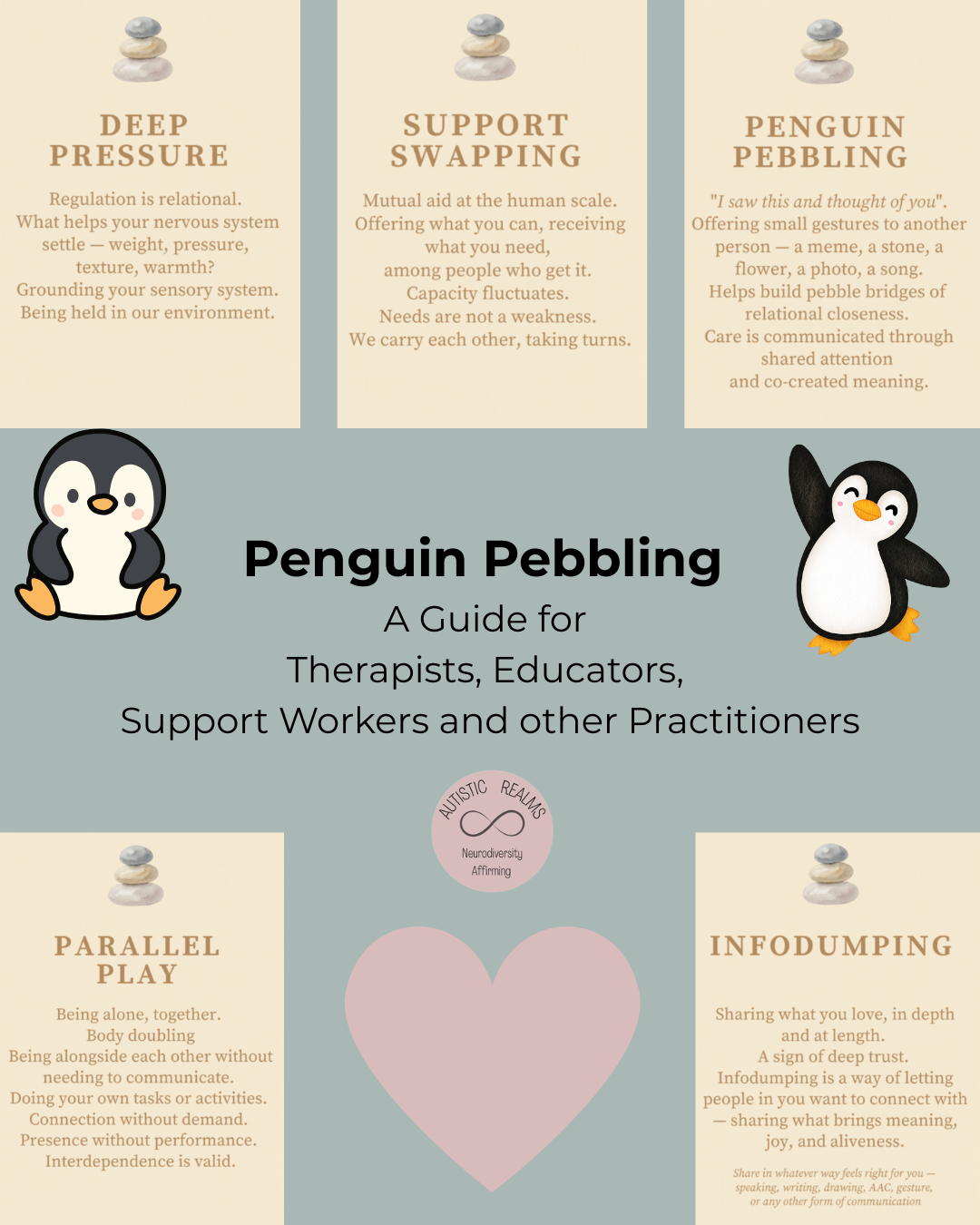
Penguin Pebbling: Theory, Practice and the Five Neurodivergent Love Locutions — A Guide for Practitioners
Penguin Pebbling is a low-demand, neurodiversity-affirming card game built around the Five Neurodivergent Love Locutions — five relational modes natural to many Autistic and neurodivergent people: infodumping, parallel play, support swapping, penguin pebbling, and deep pressure
-
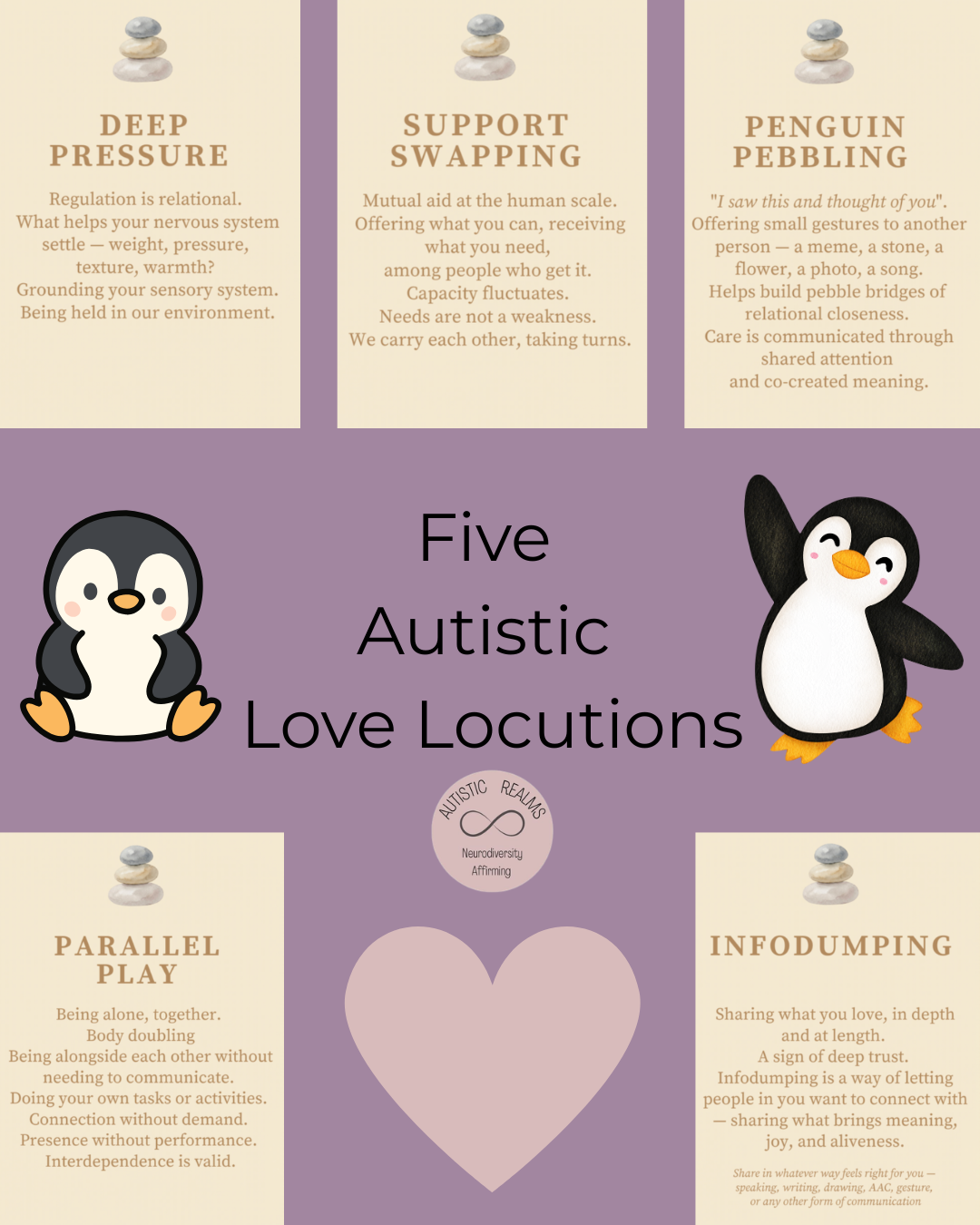
Five Autistic Love Locutions: Showing Care And Love In Different Ways
Autistic people have always had our own ways of showing love. Discover the five Autistic love locutions — infodumping, parallel play, support swapping, penguin pebbling and deep pressure.
-
Free 2025 Advent Calendar & Neuro-Affirming Autism Resources
Free 2025 Advent Calendar & Neuro-Affirming Autism Resources
-
Glimmers: Autistic Joy and Monotropism
Glimmers are small, powerful moments of Autistic joy that emerge when we’re deeply immersed in what matters to us. Learn how monotropism & flow create space for joy in an overwhelming world. #AutisticJoy #Glimmers #monotropism
-
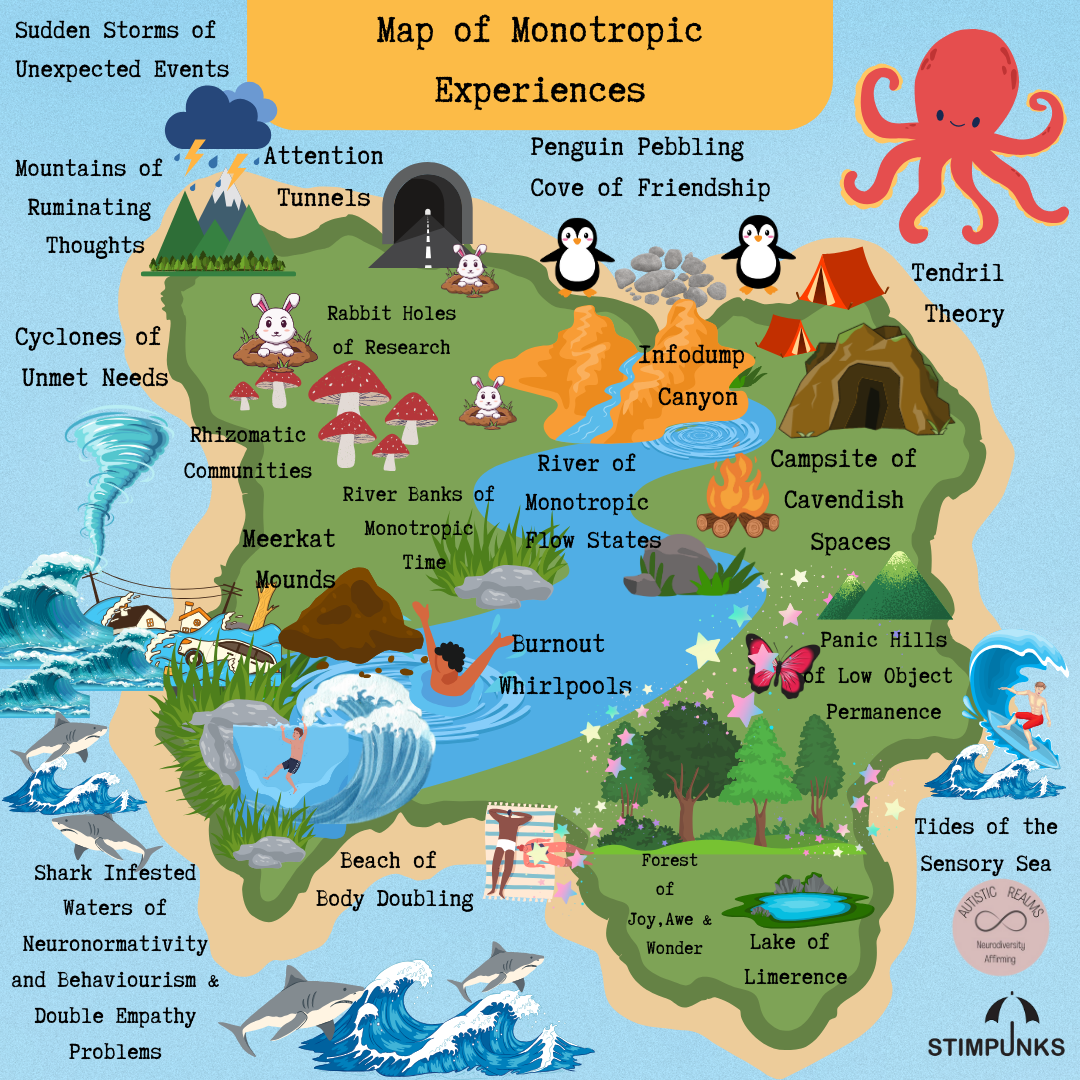
Map of Monotropic Experiences
The Map of Monotropic Experiences now has a home of its own. Visit monotropicmap.org to explore each of the twenty areas, mark your own map and find the free training. You can also find the free training and downloads further down this page. Monotropism seeks to explain Autism in terms of attention distribution and interests. …
-
Autistic Burnout, Bodymind and Soul
Kieran Rose (2018) describes autistic burnout as a ‘crash where you keep on crashing’. This resonates deeply. I have experienced cycles of burnout throughout my life due to systemic unmet needs living as an autistic person in a world primarily designed for non-autistic people. The double empathy problem (Milton, 2012) is real, and as explained…