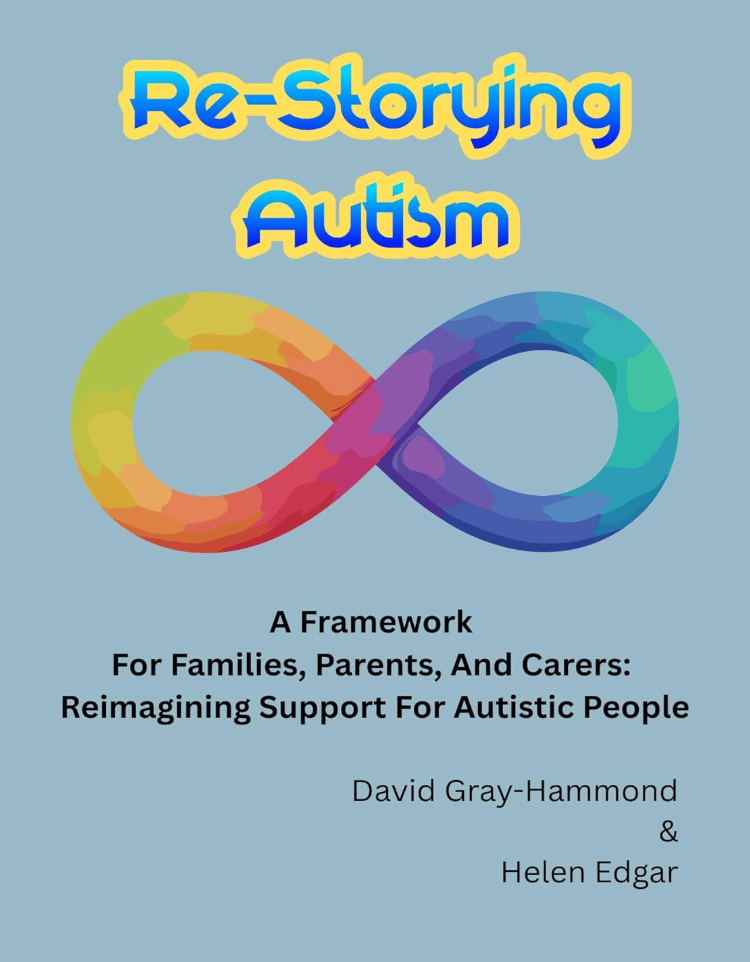
This blog was written by myself, Helen Edgar of @autisticrealms for GROVE. I am delighted to work with Grove Neurodivergent Mentoring and Education as their Training, Education & Resource Specialist. This blog was edited by Jess Garner, GROVE’s Founder/Director.
This blog, Autistic Young People and Friendships, is available to read on GROVE’s website (direct link to GROVE’s website and lots more resources and downloads and information about how GROVE can support your young person!)

Find out more: www.gr0ve.org/about/
Autistic Young People & Friendships
Whether you are Autistic or not, you may look back on your own childhood and remember how hard it was to navigate friendships. This blog will explore different types of friendships and play that Autistic young people may experience. We’ll also share neuro-affirming ways we can support our young people in building a sense of connection and belonging with their peers that honour and celebrate who they are.
Autistic Friendships & Communication
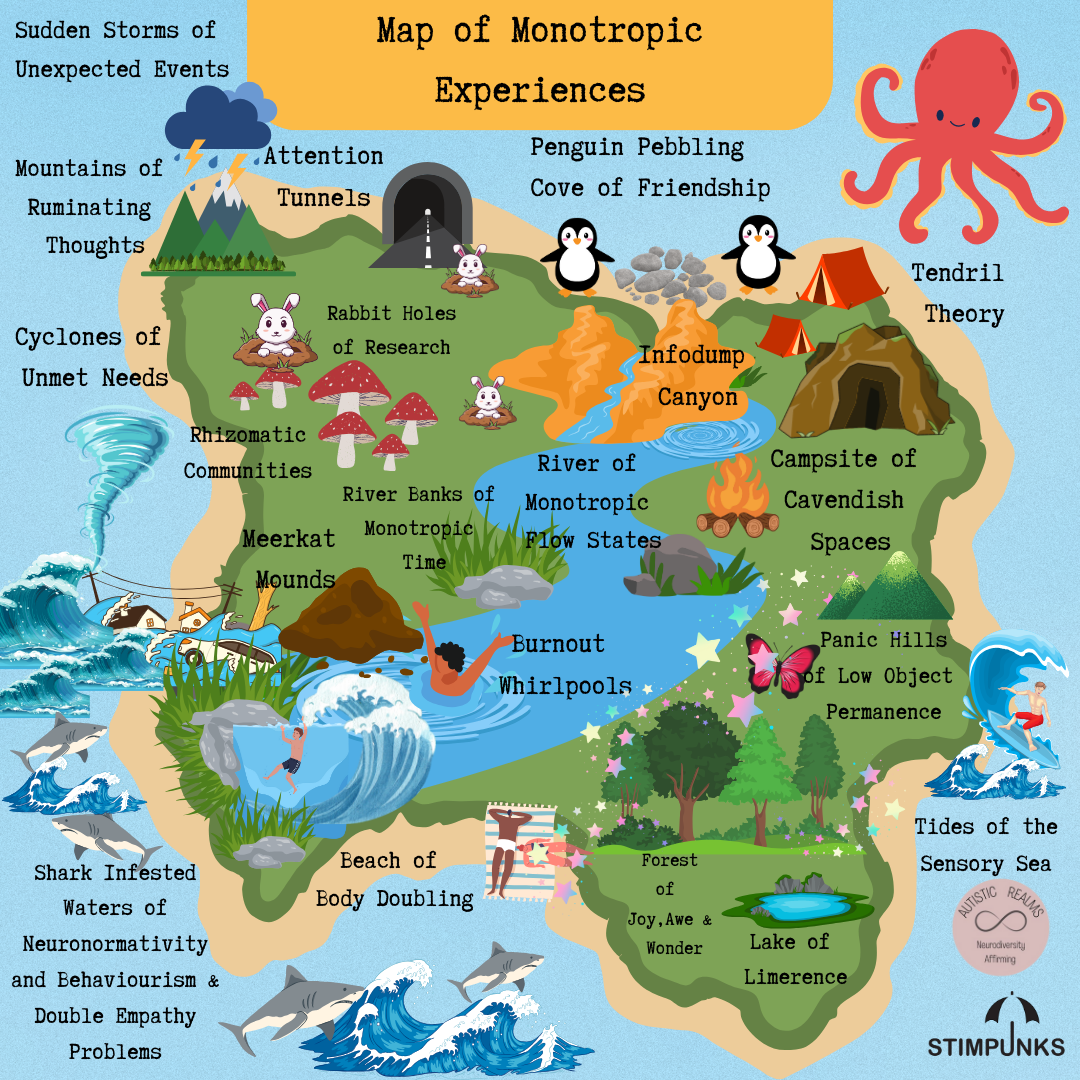
Monotropism (Murray et al., 2005) is a neuro-affirming theory of autism that explains how some Autistic people tend to be more strongly drawn towards their interests than non-autistic people. This impacts on attention resources, energy, social and sensory needs and flow states as research by Heasman et al., (2024) demonstrated.
I often form deep bonds with just one or two special people but find large group situations really challenging. I attribute much of that to being monotropic and finding it challenging to split my attentional resources across many channels to be able to communicate and engage with people effectively. It is really hard to juggle listening, interpreting body language, processing multiple streams of conversation from different people, keeping track of social cues, and working out how and when to reply, and I often find myself ruminating on the how and when to the point I’ve missed my chance to join in at all! It’s a real drain on energy. Also, big, busy, loud groups are often overwhelming and exhausting for sensory reasons, and therefore, many of us either avoid these altogether or need lots of time afterwards to rest and recharge.
Prejudice, Rejection & Bullying
Unfortunately, many Autistic young people also experience bullying for being seen as ‘different’ to their peers, and this can cause added stress and upset and make people feel even more isolated and lonely. Our young people deserve to be able to form friendships in ways that work for them, even if that means a different type of friendship to what you may have experienced or is considered a ‘typical’. For instance, it may be that online friendships are easier for some Autistic people as it can often enable a less pressured and more streamlined form of communication and the sensory comfort of home. It’s important that we recognise online friends as being as real and important as in-person friends.
Neuro-Affirming Shared
Values & Presence
Gillespie-Smith et al., (2024) carried out some research with Autistic adults about their understandings and perceptions of friendships. They found three main themes that supported meaningful friendships, all of which can be considered equally important for young people: (1) Identity with Others; (2) Sharing Value; and having a (3) Shared Presence.
Supporting your young person to develop a strong neuro-affirming sense of their own identity as an Autistic person is really important – there is a list of ‘Useful Resources’ below that can be helpful for this.
Gillespie-Smith et al., (2024) found that “relations with non-Autistics were regarded as less structured, more active, and focused more on what one may do with the other, rather than what one may share with them”. This is important to deeply consider. Sometimes as parents or professionals, we inadvertently impose our own perception of what we think friendship and play ‘should’ look like in terms of doing. When we allow play and friendship to evolve and to be in Autistic ways, where connection may arise from what one shares in terms of experience, interests, communication and socialising style and so on, then we validate rather than alter. And part of that validation may be seeking safe spaces and people where our young people can be themselves without fear of prejudice, rejection or bullying.
Double Empathy & Neurokin
Let’s consider that notion of ‘what one may share’ further (Gillespie-Smith et al., 2024).
Autistic people are fully capable of forming meaningful relationships with both neurotypical and Autistic peers. However, research by Sosnowy et al. (2018) aligns with Milton’s concept of the Double Empathy Problem (2012). Both show that friendships are often more successful and meaningful for people when there is a shared understanding of the lived experience and when people have some shared interests.
You may find that your young people naturally gravitate towards their Autistic or otherwise neurodivergent peers. There can be a natural affinity and feeling of being ‘at home’ with our neurokin! If you have not explored joining Autistic-led neuro-affirming groups with your young person, this may be something worth considering so they can meet other Autistic people, potentially with similar shared experiences and interests.
It’s important to understand that many Autistic people are perfectly content spending time on their own or with just a small, trusted circle of friends. If your child prefers their own company or feels happiest in their safe space with you and a few special people they trust, it can be challenging to accept—especially if you enjoy socialising and want to plan lots of playdates and events for them. However, their happiness and comfort may look different from yours, and that’s okay.
Monotropism & Autistic Passions
If a young person is Autistic, they may resonate with the theory of Monotropism (Murray et al., 2005) and if they have a deep monotropic interest in a particular topic, sensory experience, game or activity, try to see it as a positive thing (as long as it’s safe and not harmful). For many Autistic people, our interests help us recharge and regulate. Connecting with others who share these interests can be validating and provide a great
foundation for relationships.
When this happens, you might notice a lot of ‘infodumping’ where they talk at length about their passion, often like a monologue. For Autistic people, communication often flows naturally this way, with longer turns and much joy in sharing our passions. It’s a confidence booster for anyone to talk about something they love and for Autistic individuals, infodumping or sharing related objects, photos, or items can be energising and deeply joyful.
Joining in and celebrating this joy can help build stronger bonds and deepen relationships.
Penguin Pebbles and Shared Joy
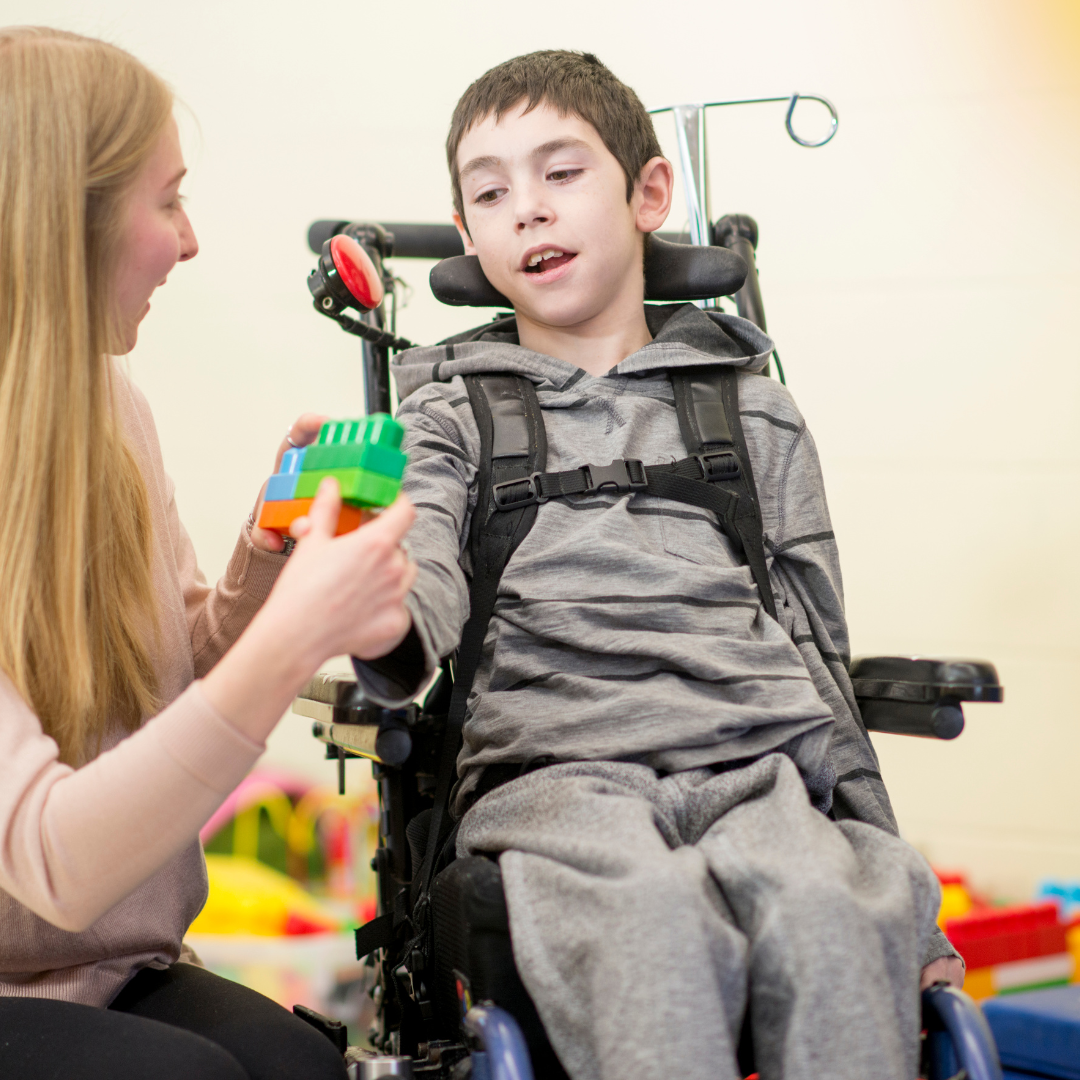
“All children have the intrinsic desire, need and right to play, socialise and form meaningful friendships with peers” (Wolfberg, 2023). An Autistic person’s way of playing may appear different to neurotypical playing, but it isn’t deficient. Many Autistic children prefer the benefits of parallel play (playing alongside rather than directly ‘with’). One reason for this is that there is less demand, so this is often particularly beneficial for PDA’ers.
You may find that your Autistic child tries to show they care through ‘Penguin Pebbling’ – perhaps by passing you a little twig, stone or a special something they have found on a walk. This kind of act of kindness is beautiful and it is wonderful for relationships when it is appreciated – keep the stone and show them how much it means to you! It could be one of their ways of saying – “I found this, I thought of you and I care for you”.
Your young person’s friends may not always understand their social communication style and this can be upsetting. Giving our young people the language and tools to advocate for themselves, enabling neuro-affirming self-understanding, experiences of authenticity in safe spaces can all really help. Let’s validate the ways that our Autistic young people play and form friendships as this ultimately supports their well-being.
Useful Resources
- GROVE’s Individual Mentoring & Online Groups
- https://stimpunks.org/glossary/friendship/
- Duffus, R. (2023). Autism, Identity and Me: A practical workbook to empower autistic children and young people aged 10+. Routledge. (For age 10+ years)
- McSweeney, A. (2023) I am the rainbow and the rainbow is me, Amazon (ideal for age 3- 8 years).
- Wassell, C. (2022). Nurturing your autistic young person: A Parent’s Handbook to Supporting Newly Diagnosed Teens and Pre-Teens. (Parent/carer book)
References
- Gillespie-Smith, K., et al. (2024). A Spectrum of Understanding: A Qualitative Exploration of Autistic Adults’ Understandings and Perceptions of Friendship(s). Autism in Adulthood. https://doi.org/10.1089/aut.2023.0051
- Heasman, B., Williams, G., Charura, D., Hamilton, L. G., Milton, D., & Murray, F. (2024). Towards autistic flow theory: A non‐pathologising conceptual approach. Journal for the Theory of Social Behaviour. https://doi.org/10.1111/jtsb.12427
- Milton, D. E. (2012). On the ontological status of autism: the ‘double empathy problem.’ Disability & Society, 27(6), 883–887. https://doi.org/10.1080/09687599.2012.710008
- Murray, D., Lesser, M., & Lawson, W. (2005). Attention, monotropism and the diagnostic criteria for autism. Autism, 9(2), 139–156. https://doi.org/10.1177/1362361305051398
- Sosnowy, C., et al. (2018). Setbacks and Successes: How young adults on the autism spectrum seek friendship. Autism in Adulthood, 1(1), 44–51. https://doi.org/10.1089/aut.2018.0009
- Wolfberg, P., & Buron, K. D. (2023). Learners on the autism spectrum: Preparing Educators and Related Practitioners. Routledge.
Written by:
Helen Edgar (GROVE Education, Training & Resource Specialist). You can also find Helen’s work on her site Autistic Realms.
Edited by:
Jess Garner (GROVE’s Founder/Director).
December 2024