Image of sea. Text reads:"Once the storm is over you won't remember how you made it through.... But one thing is certain. When you come out of the storm you won't be the same person who walked in." Kafka on the Shore, Haruki Murakami

Tides of burnout and being monotropic

“Once the storm is over, you won’t remember how you made it through. But one thing is certain. When you come out of the storm, you won’t be the same person who walked in.” [And that may even be a good thing].

(Kafka on the Shore, Haruki Murakami, 2002)


Haruki Murakami is one of my favourite Japanese authors. I have read his entire collection over the past thirty years.

I follow various fan pages; he recently reflected on one of the classes he is taking and described what his students are talking about:

“the body as a container”, the forests of the mind & metaphysical horror & the dissolution of the ego & dreamscapes”

I am fascinated by this. It aligns with the ‘the body keeps the score’ concept and is highly relevant to Autistic burnout.

After years of repeated burnouts and living in an ongoing survival state, I know that I will never recover. Returning to the same place and state I once was is impossible. Too much has changed. My burnouts are deep; they have changed my very core way of being and experiencing. There has been a whole seismic shift in how my sensory system responds to life and what it needs. As Dr Devon Price wrote, ‘You might not recover from burnout. Ever‘, but that doesn’t mean you can’t find new ways of living and navigating life.

It feels almost inevitable that I will continue to have cycles of burnout as the whole of society, and the way the world works is generally just not suited to being monotropic. Constantly dividing attention resources to get through your day is exhausting for monotropic people; it can lead to the concept Tanya Adkin developed and has written about with Emergent Divergence: The neurodivergent ramblings of David Gray-Hammond – ‘monotropic split’.

I do believe the more you know about your Autistic/ AuDHD identity and the more you understand the theory of monotropism, the more you can help with the healing process. You can begin to find ways to work with your flow and not against it – even if these are just little rock pools of rest and respite where you can unmask and be yourself in your safe place with safe people who understand you – as you continue to battle against the constant crashes and tides of neuronormativity that can feel so heavy and pull us down.

Knowing more about your monotropic processing style and recognising the glimmers that help rejuvenate your sensory system and bodymind can all help. Little changes to your day and lifestyle can all add up. Connecting with others and sharing experiences can be invaluable; it helps you feel less alone and can help you make sense of things. Being present and embodied at a DEEP level with neurokin can help to bridge the double empathy gap. Having a basecamp enables enables safety and provides more space to focus and communicate, create a collective flow and sense of belonging with others who ‘get it’.

We may not be able to fully recover from burnout (as in go back to how we were), but we can eventually move on with the right support and in the right environment. Seek out smoother spaces to work with our inner monotropic needs. If you are monotropic you need to find ways that work with you so you can embrace flow, try and find those tiny moments and safe places where you can rest and restore some of your energy so you can keep riding the waves.

Onwards.

Further relevant reading :

https://autisticrealms.com/product/embracing-monotorpism-and-preventing-burnout

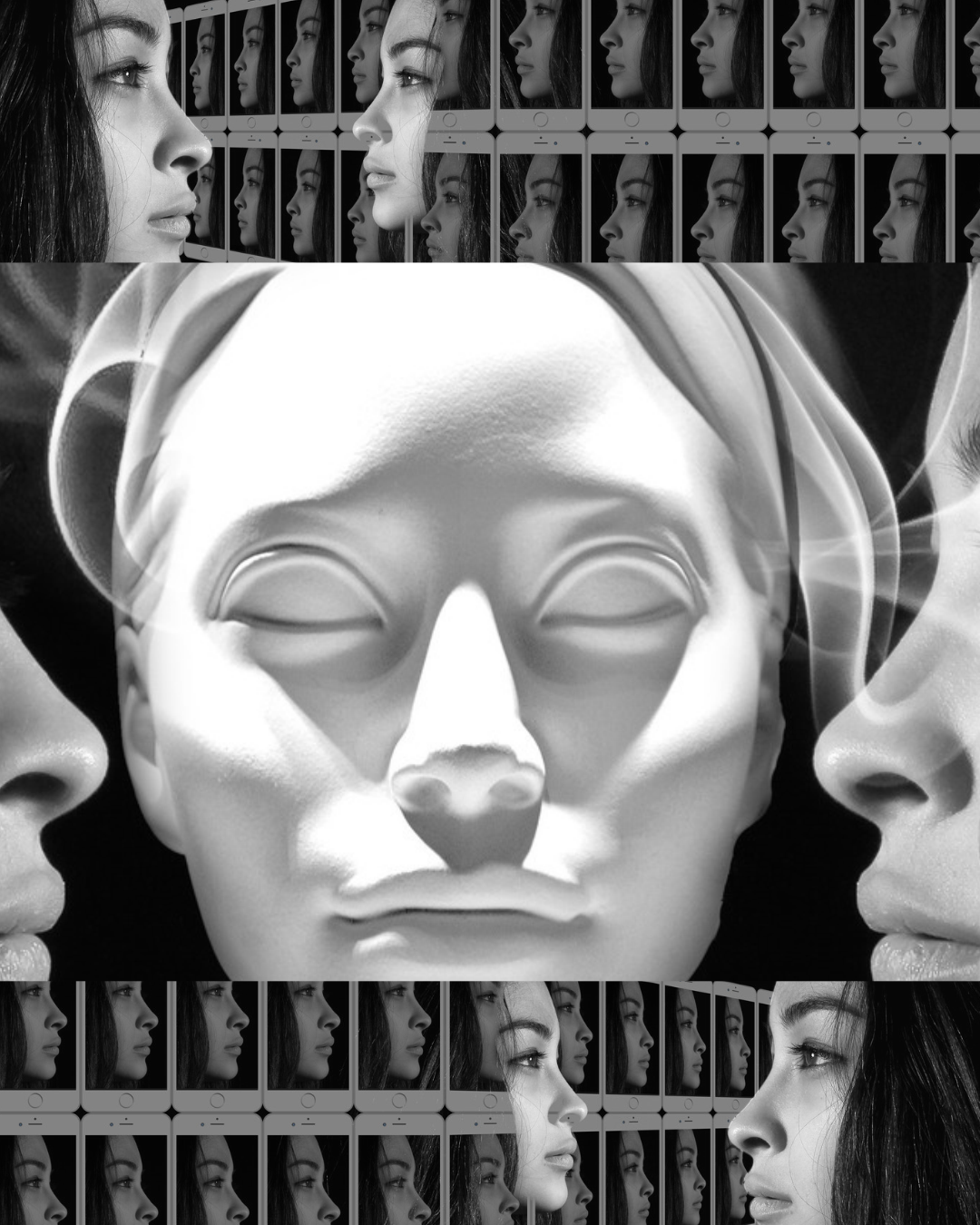
Images from Alice in Wonderland Text reads: "I could tell you my adventures - beginning from this morning," said Alice a little timidly; "but it's no use going back to yesterday, because I was a different person then."

Latest Posts

  • Autistic Burnout – Supporting Young People At Home & School

    Autistic Burnout – Supporting Young People At Home & School

    Autistic burnout in young people is real—and recovery starts with understanding. This post offers neuroaffirming ways to spot the signs, reduce demands, and truly support. 💛 #AutisticBurnout #Neuroaffirming #Monotropism #AutisticSupport


  • Monotropic Interests and Looping Thoughts

    Monotropic Interests and Looping Thoughts

    The theory of monotropism was developed by Murray, Lawson and Lesser in their article, Attention, monotropism and the diagnostic criteria for autism (2005). ​ Monotropism is increasingly considered to be the underlying principle behind autism and is becoming more widely recognised, especially within autistic and neurodivergent communities. Fergus Murray, in their article Me and Monotropism:…


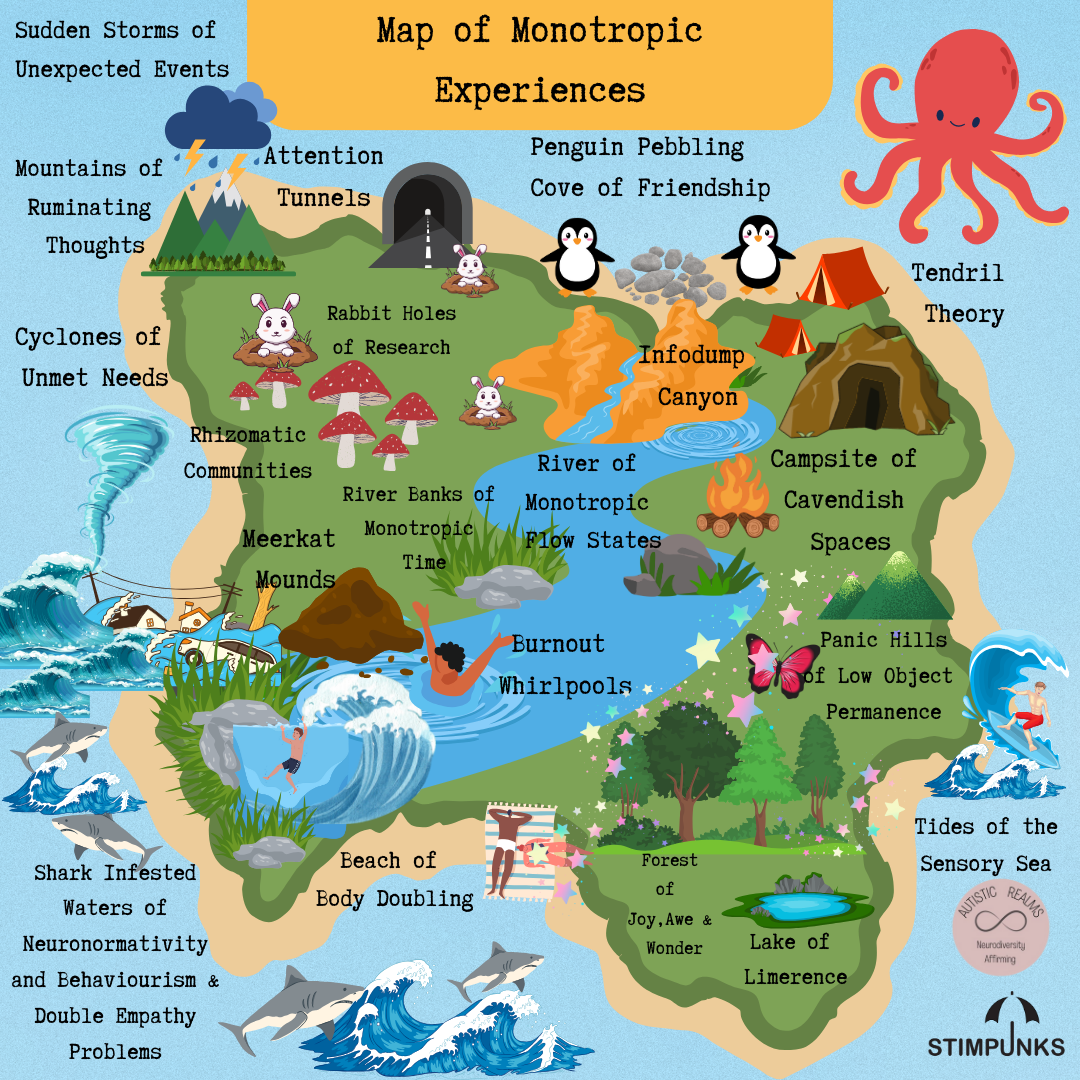
  • Map of Monotropic Experiences

    Map of Monotropic Experiences

    Monotropism seeks to explain Autism in terms of attention distribution and interests.  OSF Preprints | Development and Validation of a Novel Self-Report Measure of Monotropism in Autistic and Non-Autistic People: The Monotropism Questionnaire This map highlights 20 common aspects of my personal monotropic experiences. How many do you experience? Where are you on the map…


  • Autistic Burnout – Supporting Young People At Home & School

    Autistic Burnout – Supporting Young People At Home & School

    Being autistic is not an illness or a disorder in itself, but being autistic can have an impact on a person’s mental and physical health. This is due to the often unmet needs of living in a world that is generally designed for the well-being of people who are not autistic. In addition, three-quarters of…


  • The Double Empathy Problem is DEEP

    The Double Empathy Problem is DEEP

    “The growing cracks in the thin veneer of our “civilised” economic and social operating model are impossible to ignore”, Jorn Bettin (2021). The double empathy problem (Milton, 2012) creates a gap of disconnect experienced between people due to misunderstood shared lived experiences. It is “a breakdown in reciprocity and mutual understanding that can happen between people…


  • Top 5 Neurodivergent-Informed Strategies

    Top 5 Neurodivergent-Informed Strategies

    Top 5 Neurodivergent-Informed Strategies By Helen Edgar, Autistic Realms, June 2024. 1. Be Kind Take time to listen and be with people in meaningful ways to help bridge the Double Empathy Problem (Milton, 2012). Be embodied and listen not only to people’s words but also to their bodies and sensory systems. Be responsive to people’s…


  • Autistic Community: Connections and Becoming

    Autistic Community: Connections and Becoming

    Everyone seeks connection in some way or another. Connections may look different for autistic people. In line with the motto from Anna Freud’s National Autism Trainer Programme (Acceptance, Belonging and Connection), creating a sense of acceptance and belonging is likely to be more meaningful for autistic people than putting pressure on them to try and…


  • Monotropism, Autism & OCD

    Monotropism, Autism & OCD

    Exploring similarities and differences between Autistic and OCD monotropic flow states. Can attention tunnels freeze, and thoughts get stuck?


  • Monotropism Questionnaire & Inner Autistic/ADHD Experiences

    Monotropism Questionnaire & Inner Autistic/ADHD Experiences

     Post first published 28th July 2023 Over the past few weeks, there has been a sudden surge of interest in the Monotropism Questionnaire (MQ), pre-print released in June 2023 in the research paper ‘Development and Validation of a Novel Self-Report Measure of Monotropism in Autistic and Non-Autistic People: The Monotropism Questionnaire.‘ by Garau, V., Murray,…


  • Penguin Pebbling: An Autistic Love Language

    Penguin Pebbling: An Autistic Love Language

    Penguin Pebbling is a neurodivergent way of showing you care, like sharing a meme or twig or pretty stone to say “I’m thinking of you,” inspired by penguins who gift pebbles to those they care about.


  • What Would A Neuroqueer Pedagogy Be?

    What Would A Neuroqueer Pedagogy Be?

    “What would a neuroqueer pedagogy be?” By Ombre Tarragnat (English translation with permission from Genre en Cours article Feb 2026)


  • Intensive Interaction as Neuro-Affirming Relational Practice

    Intensive Interaction as Neuro-Affirming Relational Practice

    Intensive Interaction isn’t about “fixing” or prompting communication. It’s about meeting someone where they are—through connection, attunement, and shared flow. A neuro-affirming, relational framing to support those with profound and multiple learning disabilities.


  • Weird Pride in a Hostile World

    Weird Pride in a Hostile World

    Weird Pride is a practice of becoming. A refusal to shrink. A quiet, feral devotion to staying alive as ourselves in a world that keeps trying to make us something else.


This website stores cookies on your computer. These cookies are used to provide a more personalized experience and to track your whereabouts around our website in compliance with the European General Data Protection Regulation. If you decide to to opt-out of any future tracking, a cookie will be setup in your browser to remember this choice for one year.

Accept or Deny

WordPress Cookie Plugin by Real Cookie Banner