I created Autistic Realms in 2022 as a place to bring together my own writing and the many resources I had gathered as a parent and teacher. At first, it was simply a way to meet my own needs, keeping everything in one space made it easier to share links and signpost in the groups I’m part of. Gradually, I realised that these resources and reflections might also hold value for others. What began as a personal archive is now growing into something bigger, a community space for neurodivergent people and hopefully a valuable resource for professionals who work with neurodivergent people.
I enjoy sharing what I have learned and continue to learn from others. My aim is that Autistic Realms feels supportive, affirming, and genuinely useful for people. My work is about reflecting on what it means to be neurodivergent and supporting neurodivergent people with competence, accountability, and care in strength-based ways.
Why neurodivergent competence matters
I often describe Autistic Realms as a neuro-affirming space and that goes far beyond a surface-level reframing of autism. It is not enough to say “being Autistic is okay.” What matters is going deeper, thinking about how to build Autistic safety, nurture community care, and create a genuine sense of belonging, it means embracing the neurodiveristy paradigm. This is why the idea of neurodivergence competency, developed by David Gray-Hammond and Tanya Adkin, resonates so strongly with me.
They describe how Autistic people are too often placed in unsafe positions because systems, services, and even well-meaning professionals fail to understand our real needs. As they put it, “Competency cannot exist without safety, and safety cannot exist without competency. In the context of Autistic safety, one must have neurodivergent competency. A person having knowledge of their own experience and having the understanding and language to advocate for themselves increases safety. This cannot be taught without competency.”
Being competent means more than having awareness, it means recognising Autistic experiences as valid, taking responsibility for creating environments of safety and respect, and working to ensure Autistic people are able to thrive rather than face further trauma.
Supporting an Autistic person effectively requires a full and affirming understanding of Autistic experience, free from pathologising views and a deep understanding of the neurodiversity paradigm.
Beyond “neurodiversity-lite”
I have written about Why Neurodiversity-Affirming Practice Matters and have highlighted the risks of “neurodiversity-lite”, which is when organisations or professionals use the language of neurodiversity, but without really shifting their approach. It often looks positive on the surface, but underneath, deficit models still dominate.
I am only one person, and I know I will not always get it right. Part of running Autistic Realms is being open to feedback. I regularly update and edit blogs and signposting where needed, because responsiveness is a commitment to accountability and a vital part of Autistic safety.
This makes Autistic Realms a living space rather than a static library. My blogs and thoughts shift with new knowledge, new voices, and community feedback. In many ways, it reflects what neurodivergent competency looks like in practice: being willing to listen, to change, and to keep Autistic needs and safety at the centre of everything.
Beardon (2023) talks about the concept of Autistic safety in much more depth in this webinar.
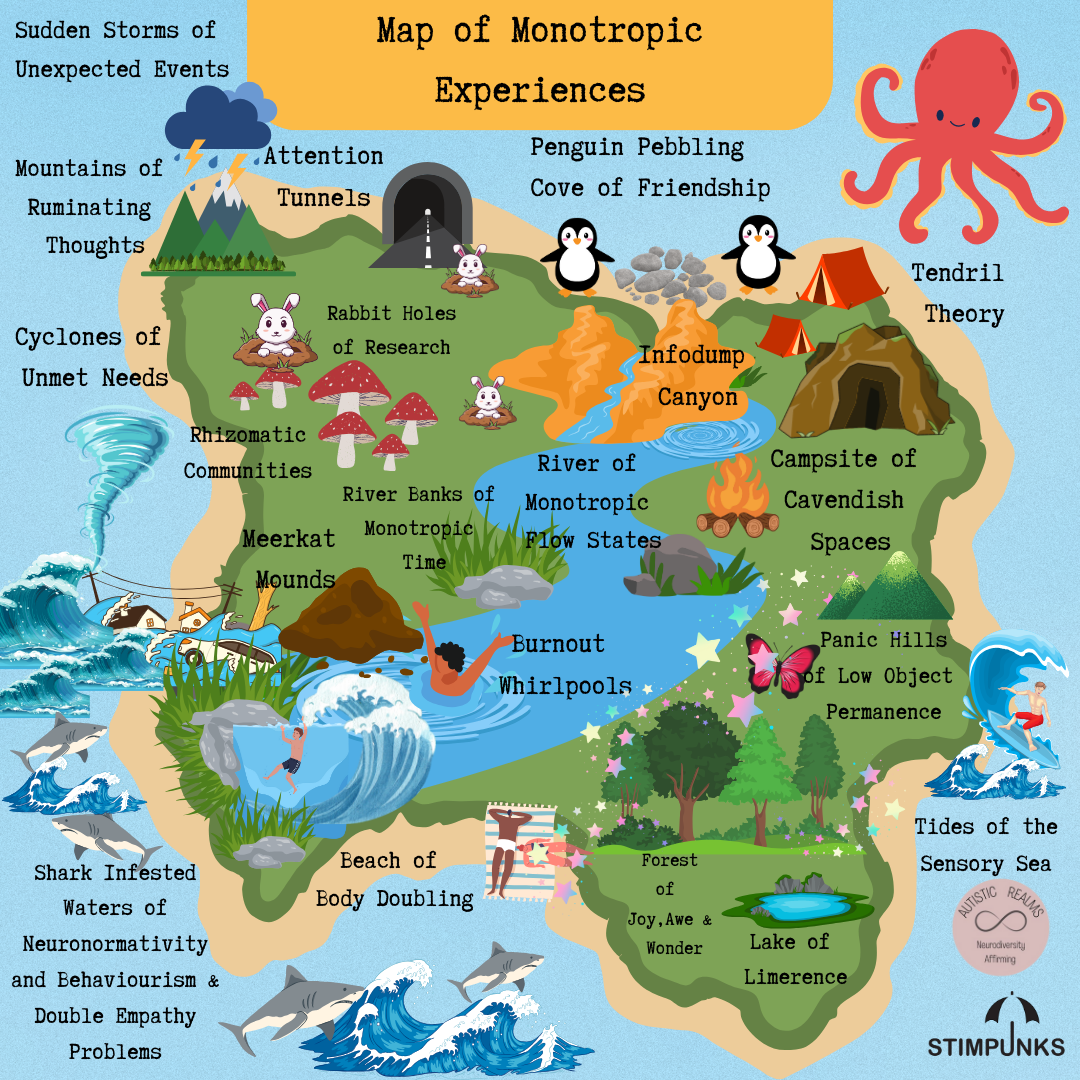
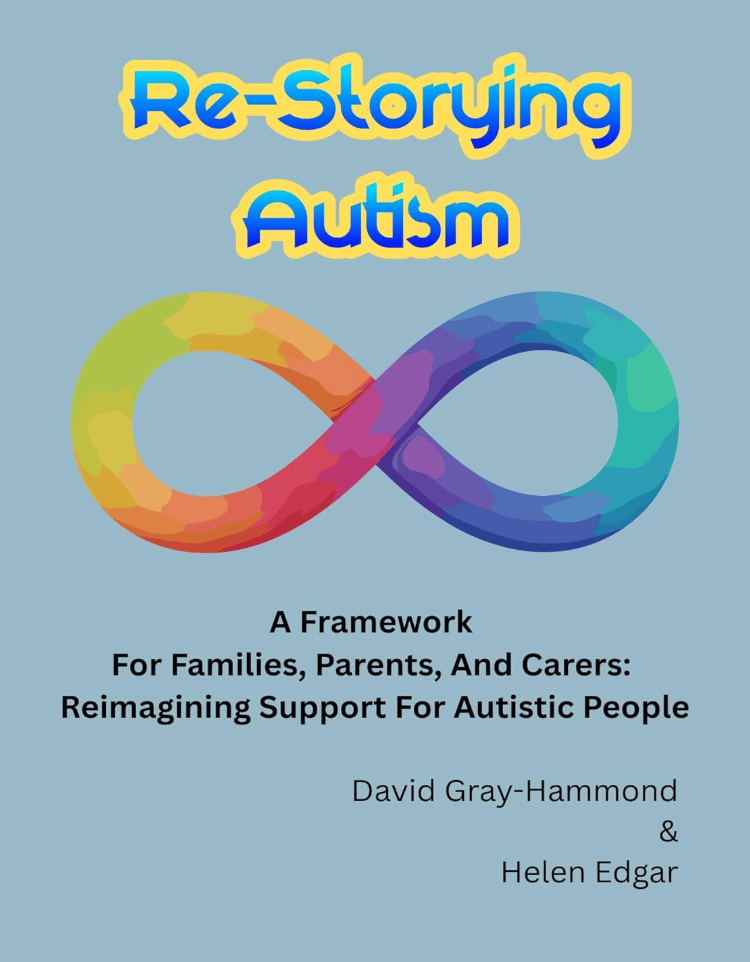
Meaningful neurodiversity-affirming practice embedded with neurodivergent compentency goes far beyond putting a rainbow infinity symbol on a website or using the phrase “autism acceptance.” It means recognising the diverse spectrum of Autistic communication, sensory needs, and our deep monotropic ways of being as meaningful and valid. It means moving away from attempts to normalise or correct Autistic people, and instead works to dismantle the barriers and injustices that cause suffering and harm in the first place.
10 Ideas For Neuro-Affirming Practice: Building Neurodivergent Competency Together
Building on the work of Gray-Hammond and Adkin, these 10 ideas below invite you to consider neurodivergent competency not as a fixed checklist, but as a living and evolving practice of community care. This practice centres Autistic safety, nurtures belonging, and strengthens connection.
Grounding ourselves in these principles allows us to move beyond surface-level awareness and begin embedding neuro-affirming practice in meaningful ways that are responsive, sustainable, and reflective of the diverse realities of our Autistic lives.
- Awareness of positionality – Reflect on your own perspective, power, and biases.
2. Neurodivergent culture – Respect identity-first language and believe lived experience.
3. Harm of the pathology paradigm – Recognise past harm and embrace the neurodiversity paradigm.
4. Historical autism theory – Understand how outdated ideas still shape and harm today’s discourse.
5. Autistic-led autism theory – Learn from Autistic-led theories and concepts like monotropism, double empathy and understand burnout, masking and sensory differences.
6. Intersectionality – Recognise the multiple identities shaping each Autistic person’s life.
7. Spiky Profiles and Fluctuating Energy—Understand spiky profiles, fluctuating energy levels, and Autistic sensory experiences, including things like interoception and alexithymia, and how this may impact us.
8. Co-occurring differences and other conditions – Respect the diversity of our experiences, our multidimensional needs and rhythms.
9. Power imbalances – Acknowledge how systems of power affect Autistic wellbeing and work to dismantle imbalances.
10. Autistic voices and leadership – Nothing about us without us: centre Autistic knowledge and voices, especially from those most marginalised.
Holding space for community
Autistic Realms has become more than a collection of my own resources and a personal blog, it is a living space shaped by our community, and I feel both proud and honoured to be part of that work. My hope is that people find something here that affirms their experiences, helps them feel seen, and offers language to support advocacy for themselves and their loved ones or those they work with. I want this to be a space where Autistic and otherwise neurodivergent people can experience safety, belonging, and recognition.
My 10 ideas for neurodivergent competency are offered as part of that vision: a guide for embedding neuro-affirming practice in ways that are responsive, sustainable, and grounded in our diverse realities.
I will keep listening, learning, and evolving alongside this community. I don’t have all the answers, but I am committed to contributing to a culture of accountability, care, and neuro-affirming support, which centres Autistic safety and belonging.
Discover More
If you’re looking for more practical guidance, you might also like my piece on the Top 5 Neurodivergent-Informed Strategies. It offers ways to embed kindness, curiosity, openness, radical inclusivity, and neurodiversity-affirming practice into everyday life, grounded in academic research and lived experience. Together, these strategies help us move from theory into community action, creating spaces of safety and belonging.
My Top 5 Neurodivergent-Informed Strategies article was also published in: Ways of Being, Knowing and Doing: An Anthology for Neurodivergent-Informed Practice. This is a charity e-book as part of a project to raise funds and awareness of the value of all human voices in our practice and in support of the Palestinian people.
References
Adkin, T., & Gray-Hammond, D. (2023, April 11). Creating autistic suffering: Autistic safety and neurodivergence competency. Emergent Divergence. https://emergentdivergence.com/2023/04/11/creating-autistic-suffering-autistic-safety-and-neurodivergence-competency/
Edgar, H. (2025). Why neurodiversity-affirming practice matters. Autistic Realms. https://autisticrealms.com/authentic-neurodiversity-affirming-practice-matters/
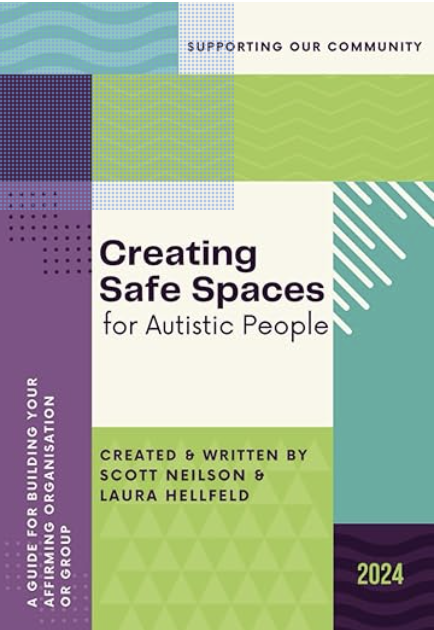
Creating Safe Spaces for Autistic People: A Guide for Building your Affirming Organisation or Group
Check out the book: Creating Safe Spaces for Autistic People: A Guide for Building your Affirming Organisation or Group by Scott Neilson and Laura Hellfeld.
Honoured to be cited in this publication!