Tag: Community
-

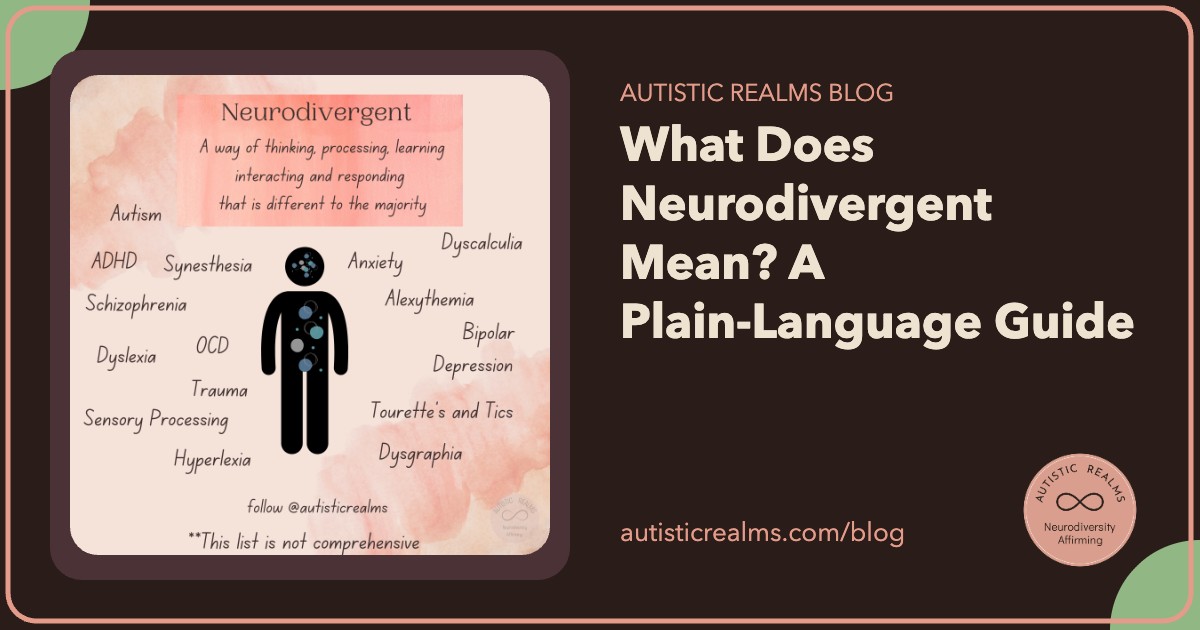
What Does Neurodivergent Mean? A Plain-Language Guide
Neurodivergent means thinking, processing, learning and responding in ways that differ from the majority. A plain-language guide to what the word means, who it includes and what it is not.
-
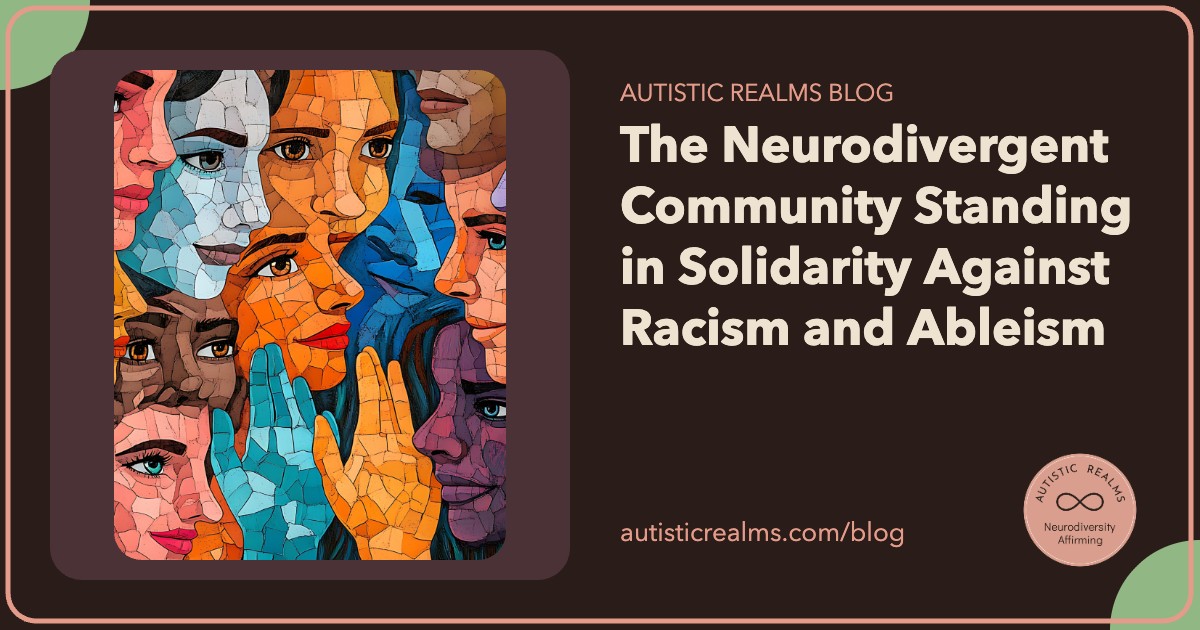
The Neurodivergent Community Standing in Solidarity Against Racism and Ableism
Solidarity Against Racism & Ableism in the Autistic & Neurodivergent Community
-
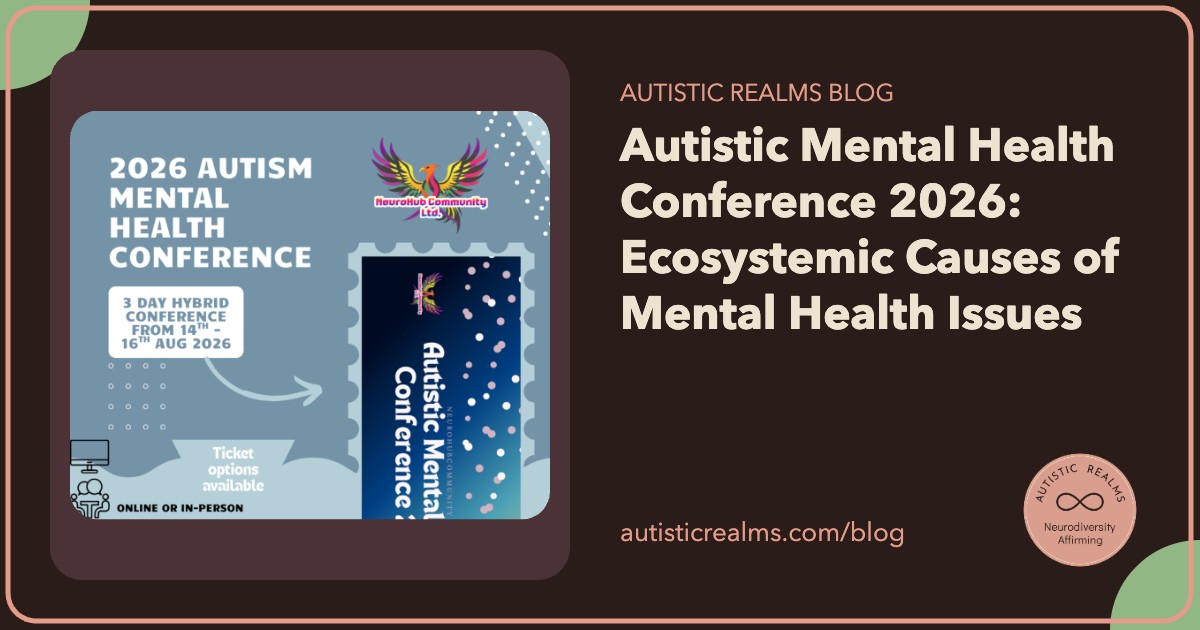
Autistic Mental Health Conference 2026: Ecosystemic Causes of Mental Health Issues
Autistic Mental Health Conference 2026: Ecosystemic Causes of Mental Health Issues
-
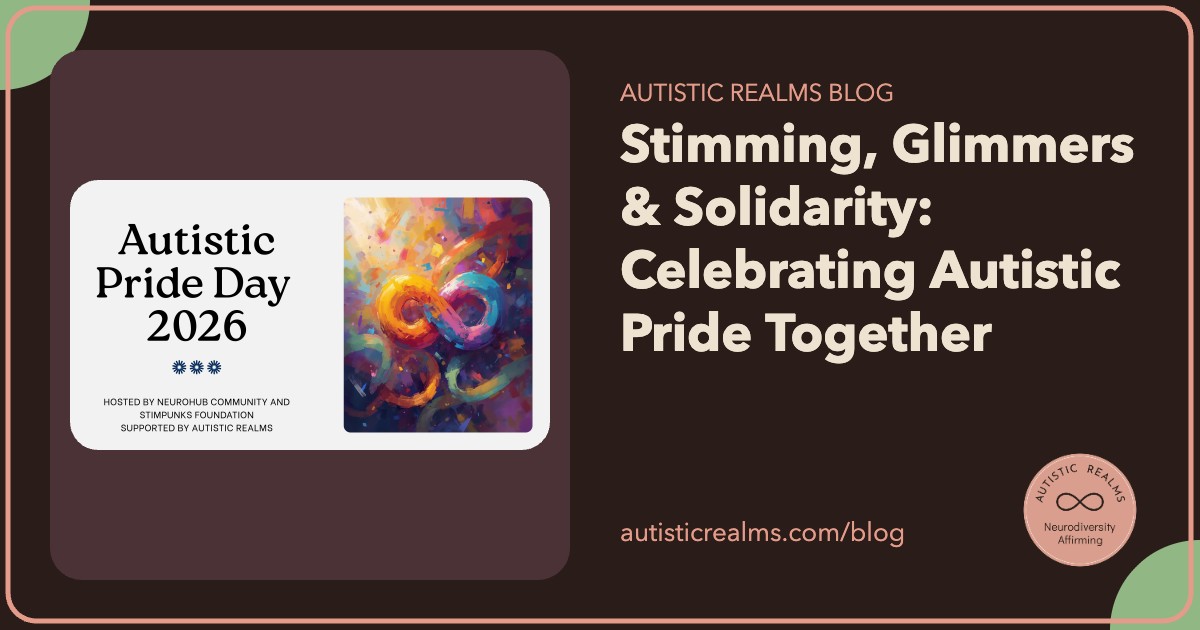
Stimming, Glimmers & Solidarity: Celebrating Autistic Pride Together
What is Autistic Pride Day? Explore its history, stimming, and glimmers with NeuroHub Community, Stimpunks & Autistic Realms.
-
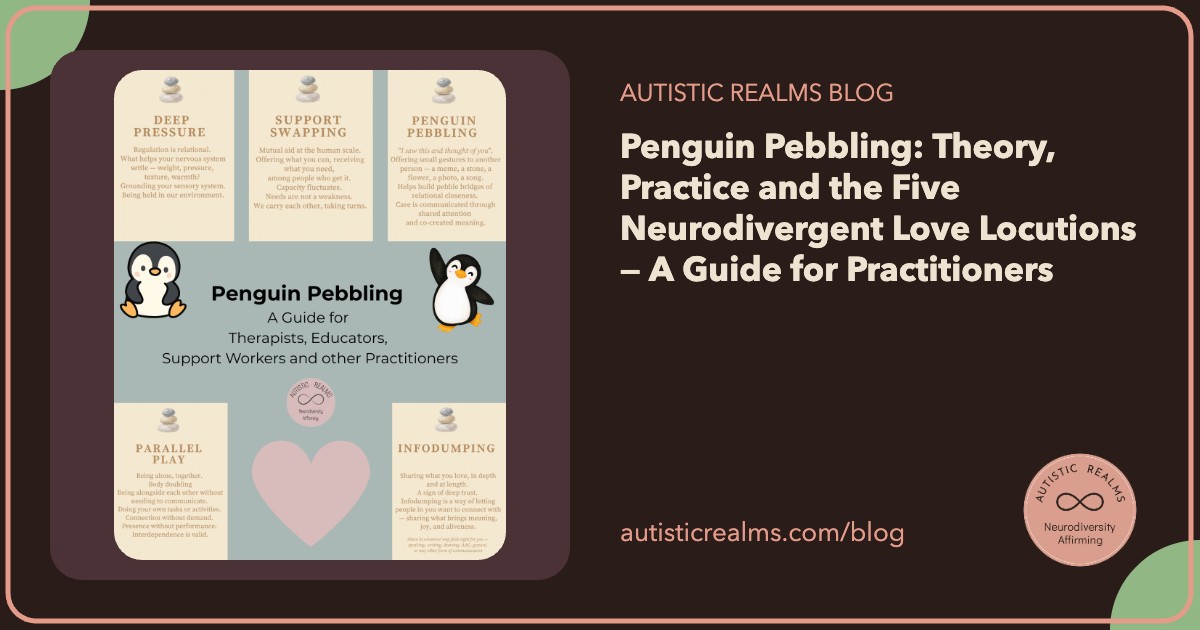
Penguin Pebbling: Theory, Practice and the Five Neurodivergent Love Locutions — A Guide for Practitioners
Penguin Pebbling is a low-demand, neurodiversity-affirming card game built around the Five Neurodivergent Love Locutions — five relational modes natural to many Autistic and neurodivergent people: infodumping, parallel play, support swapping, penguin pebbling, and deep pressure
-
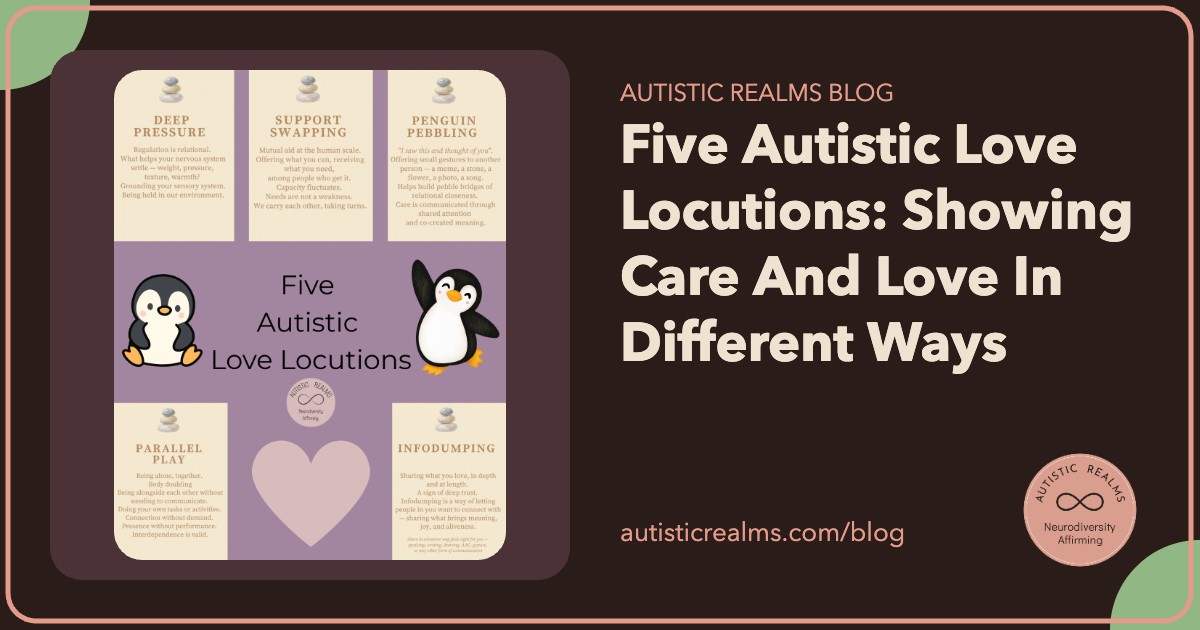
Five Autistic Love Locutions: Showing Care And Love In Different Ways
Autistic people have always had our own ways of showing love. Discover the five Autistic love locutions — infodumping, parallel play, support swapping, penguin pebbling and deep pressure.
-
Penguin Pebbling: A Game of Creating Belonging, Building Connection and Understanding Autistic Identity
Penguin Pebbling: A Game of Creating Belonging, Building Connection and Understanding Autistic Identity
-
Building Neurodivergent-Affirming Cultures of Regulation: Reflections from a Cavendish Space Workshop
What does regulation really mean for neurodivergent people? Helen Edgar reflects on Cavendish Space, co-regulation, and building cultures where our nervous systems can thrive.
-
No Space Is Neutral: Safe Spaces, Imagined Neutrality, and the Work of Belonging
: No space is neutral. Exploring minority stress, the Double Empathy Problem, and what it really takes to build safer, neuroqueer spaces together.
-
Weird Pride in a Hostile World
Weird Pride is a practice of becoming. A refusal to shrink. A quiet, feral devotion to staying alive as ourselves in a world that keeps trying to make us something else.
-
The Autistic Rhizome: Community, Liminal Spaces & Belonging
Autistic belonging grows through community, from liminal spaces, not conformity.
-
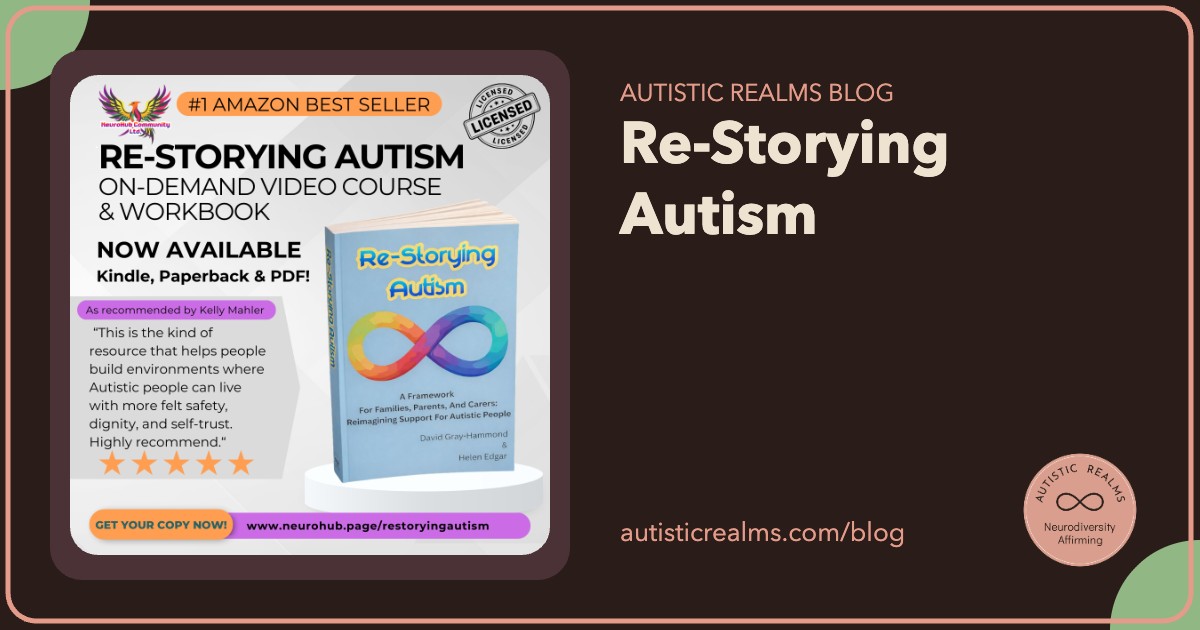
Re-Storying Autism
Re-Storying Autism A Framework For Families, Parents, And Carers: Reimagining Support For Autistic People. #1 Amazon Bestseller
-
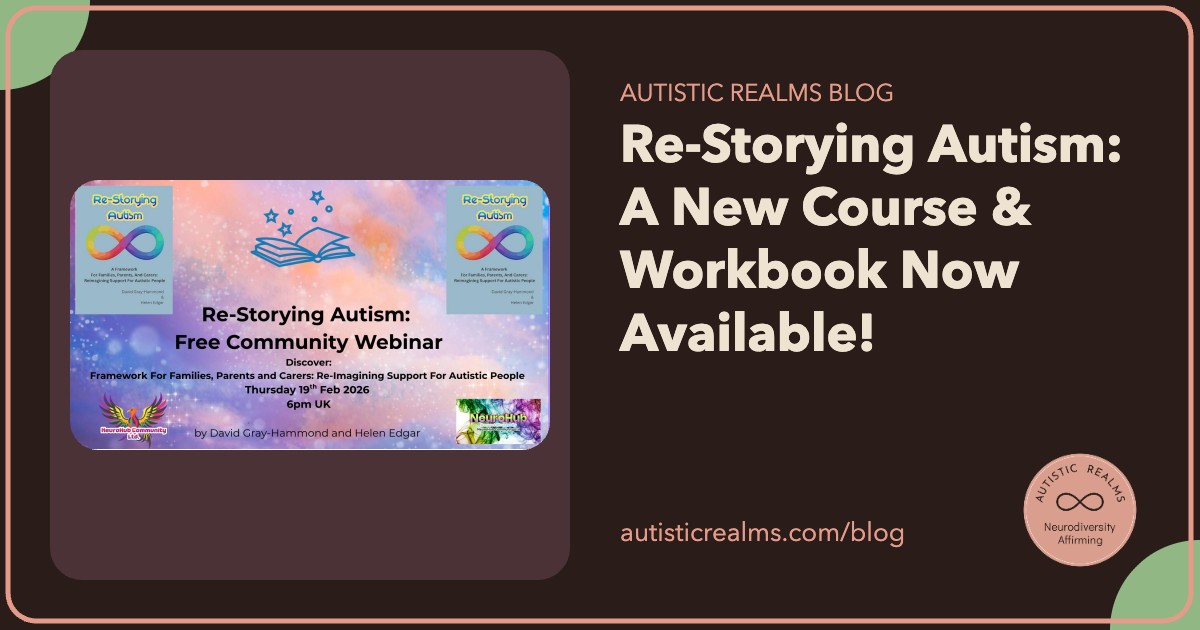
Re-Storying Autism: A New Course & Workbook Now Available!
Re-Storying Autism: A Framework for Families, Parents and Carers Reimagining Support For Autistic People Neurodiversity Affirming Neurodivergent Competent
-
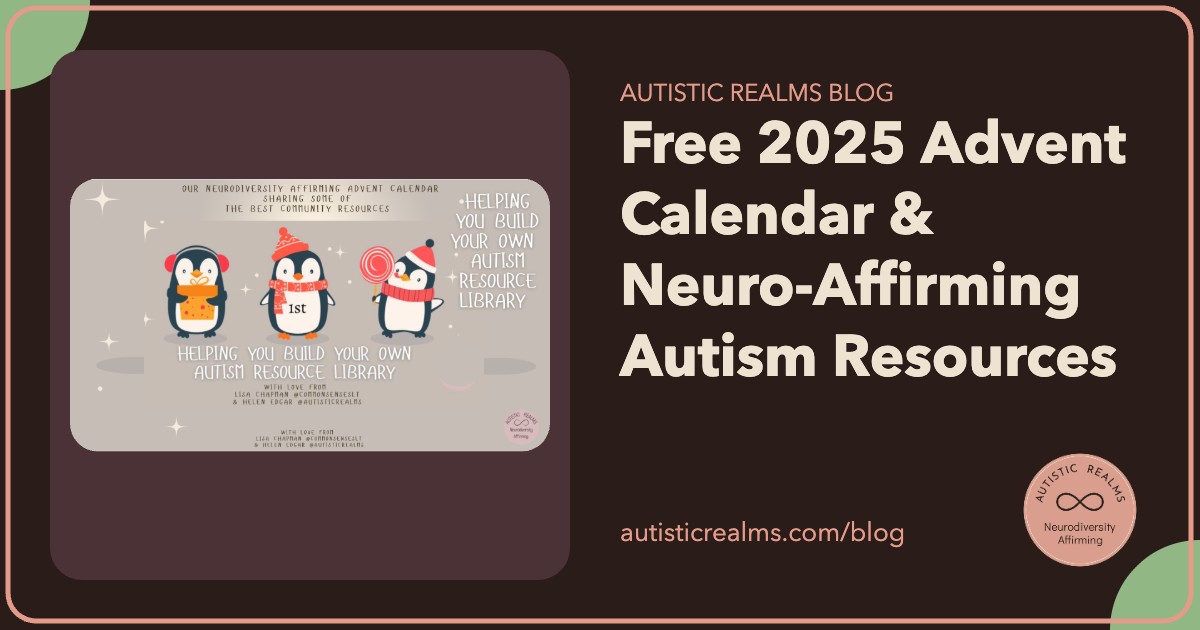
Free 2025 Advent Calendar & Neuro-Affirming Autism Resources
Free 2025 Advent Calendar & Neuro-Affirming Autism Resources
-
Join NeuroHub Community Space
Join me & David Gray-Hammond in our new community NeuroHub. Access to exclusive webinars, resources and space to connect with others! Hope to see some of you there!
-
The Neuronormative Paradigm: Naming The Systems That Harm
The Neuronormative Paradigm, conceptualised by Nick Walker, names the systems that define and enforce what society considers normal. This exploration piece contrasts the neuronormative paradigm with the neurodiversity paradigm, which recognises all ways of being as vital to human diversity.
-
Ethics & Values of Autistic Realms
Autistic Realms is grounded in values of authenticity, autonomy, and relational care for the human rights of Autistic or otherwise neurodivergent and disabled people. These guiding principles align closely with the ethics and principles of both the Therapist Neurodiversity Collective (TNDC) and the Autistic Self Advocacy Network (which I am a member of – ASAN),…
-
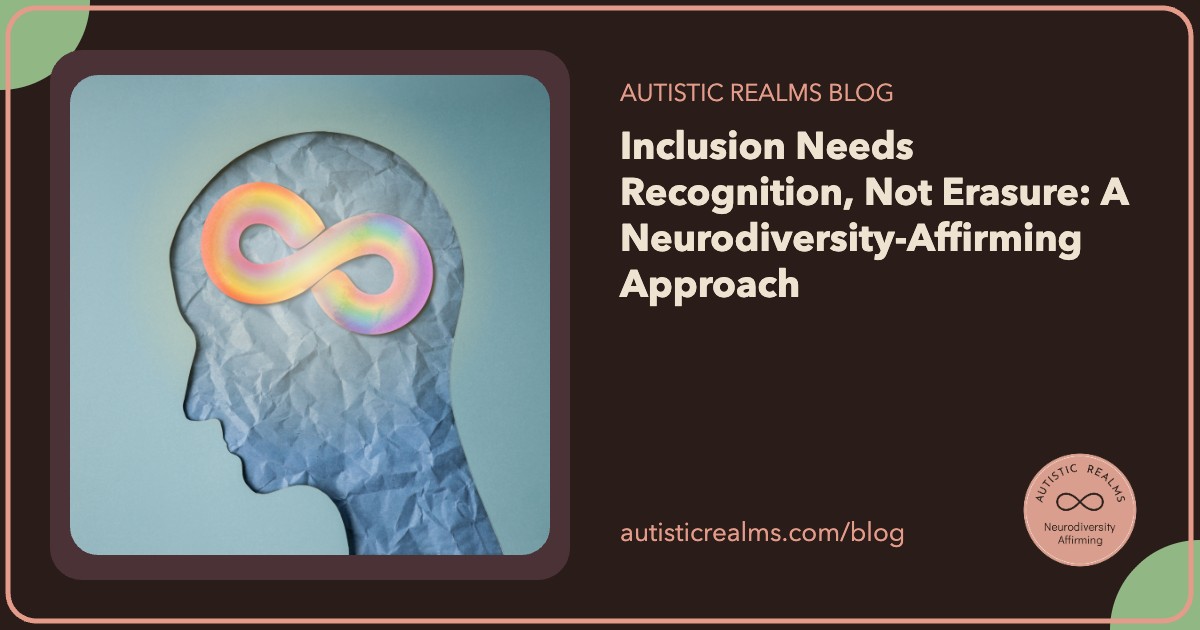
Inclusion Needs Recognition, Not Erasure: A Neurodiversity-Affirming Approach
When headlines claim that autism and ADHD are “invented labels,” it’s more than rhetoric, it’s erasure. A explores why removing neurodiversity from education would harm the very children inclusion is meant to protect.
-
Protecting the Meaning of Neuro-Affirming Practice
Discover what genuine neuro-affirming practice looks like — beyond tokenism and “neurodiversity-lite.” Explore how to protect the heart of the neurodiversity movement and uphold its community-led roots.
-
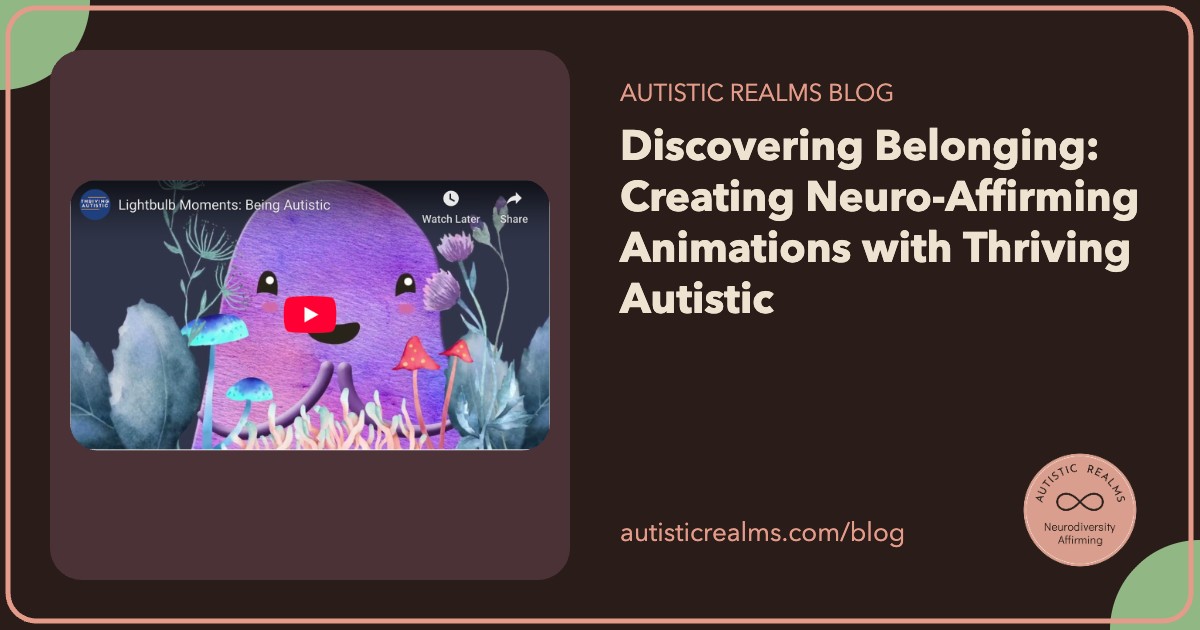
Discovering Belonging: Creating Neuro-Affirming Animations with Thriving Autistic
Discovering Belonging: Neuro-Affirming Animations with Thriving Autistic. Celebrate Autistic identity through the Discovery Programme and new animations that explore belonging, strengths, and community.
-
Reflections on the Autistic Mental Health Conference 2025
Reflections On The Autistic Mental Health Conference. An Interview between David Gray-Hammond & Helen Edgar
-
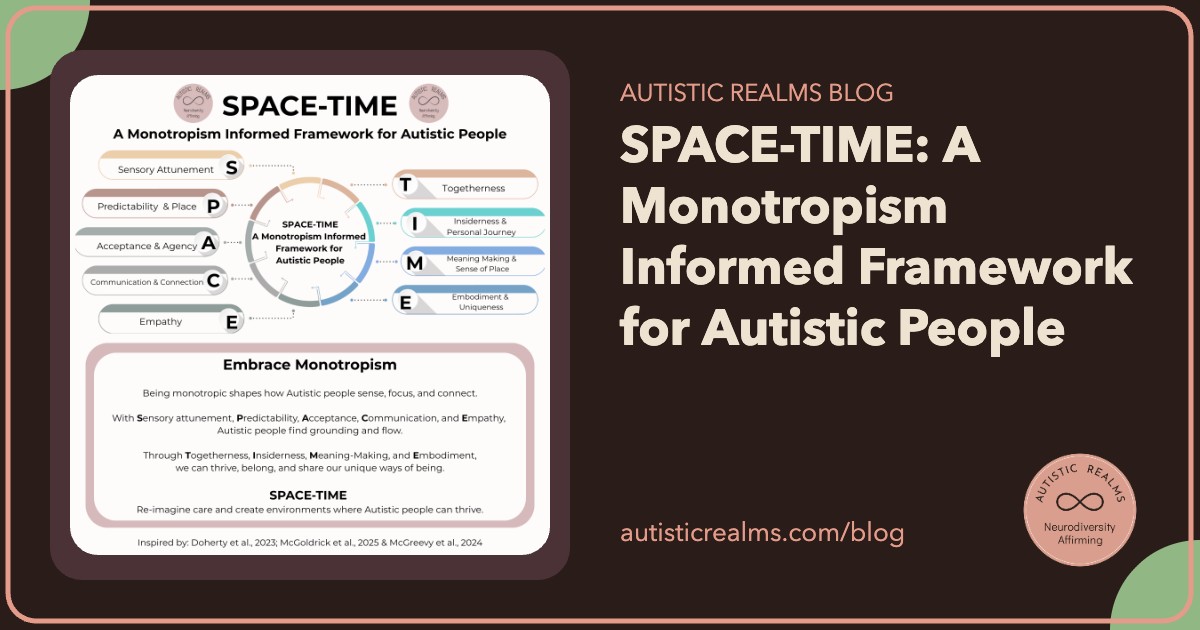
SPACE-TIME: A Monotropism Informed Framework for Autistic People
SPACE-TIME: A Monotropism-Informed Neuroaffirming Framework for Autistic People
-
Creating Autistic Safety and Belonging: 10 Ideas for Neurodivergent Competency
10 Principles of Neuro-Affirming Practice: Building Neurodivergent Competency Together
-
Beyond “Neurodiversity Lite”: Why Neurodiversity-Affirming Practice Matters
Explore the difference between true neurodiversity-affirming practice and “neurodiversity-lite,” and why justice, and lived experience matter.
-
Neuroqueer Learning Spaces: Free Training for Reimagining Education
Neuroqueer Learning Spaces: Free Training for Reimagining Education By Autistic Realms & Stimpunks Foundation
-
Ethodivergent Hearth Building: A Relational Neuroqueering Community Practice
Explore ethodivergent hearth building as a neuroqueer, relational practice of care, kinship, and more-than-human community with Autistic Realms & Stimpunks.
-
Autistic Pride: Rest, Resistance & Monotropism
Written for Autistic Pride Day 2025: what Autistic Pride means to me, from monotropism and the cost of masking to reclaiming rest and finding belonging in community.
-
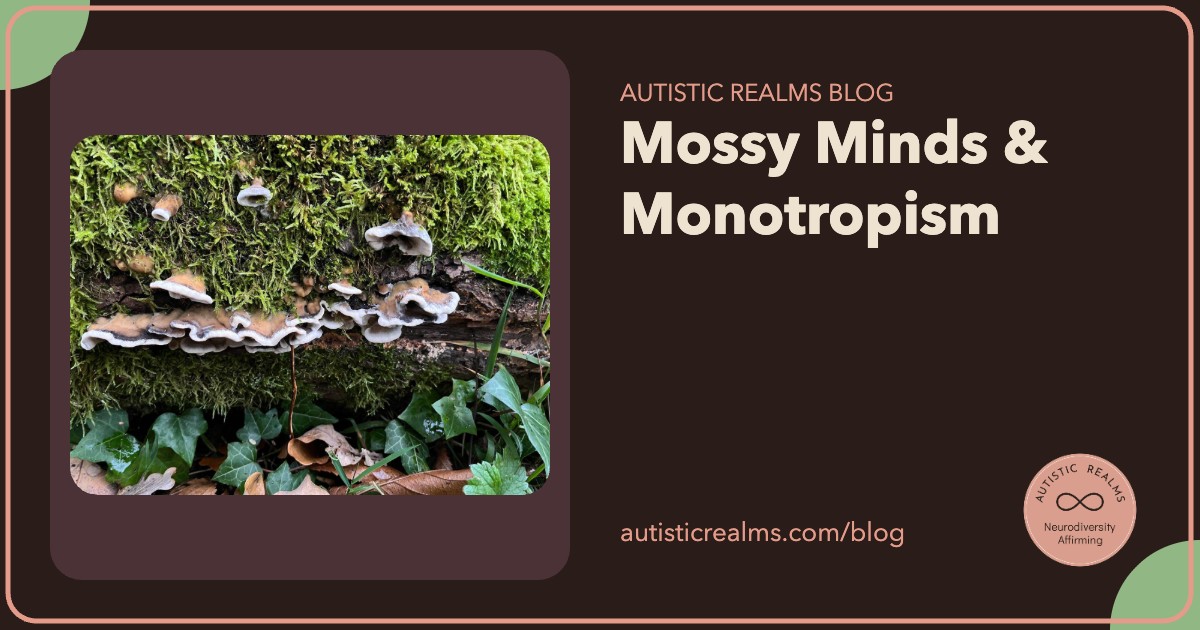
Mossy Minds & Monotropism
An exploration of moss and monotropic ways of being. An invitation to slow down, sink in, and reconnect through sensory depth and shared presence in liminal spaces.
-
Autistic Pride: Restorying & Unknowing Autism
Restorying is how we reclaim our Autistic voices, honour our ways of knowing, and build futures rooted in connection, not correction.
-
Sintering: Neurodivergent Community Building
When snow first falls, its flakes are delicate and vulnerable, but over time, a quiet transformation begins. Sintering is the process through which individual snow grains gradually begin to bond. Tiny necks form between them, bridging the gaps, making the snowpack stronger, more resilient, and more resistant to collapse. Sintering In Theory of Water: Nishnaabe…
-
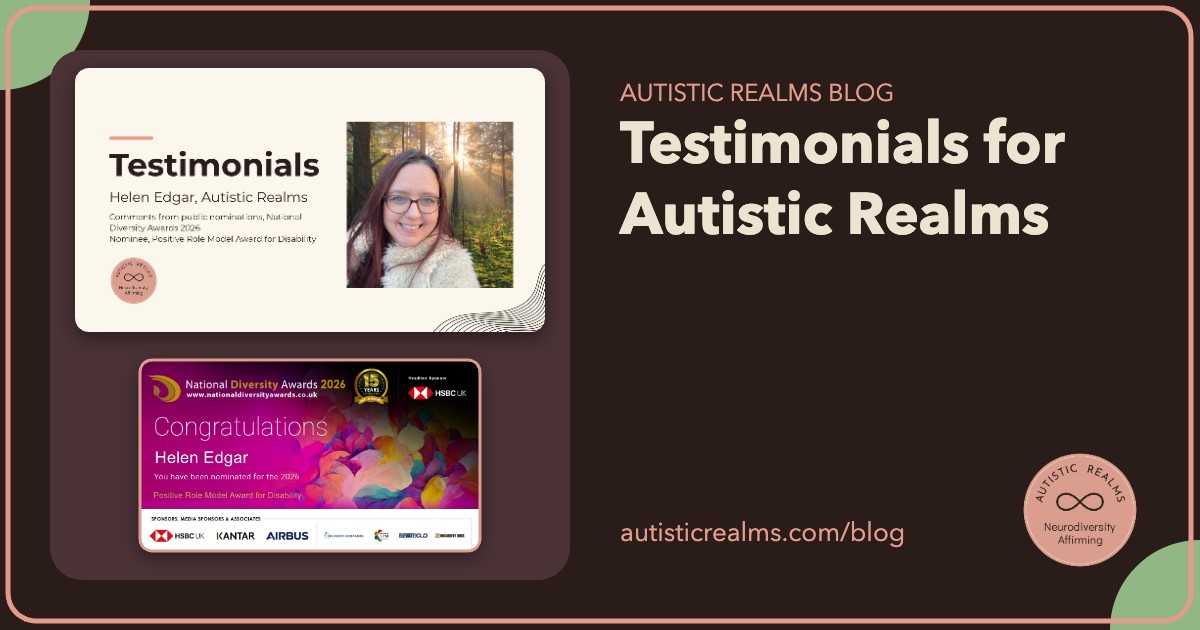
Testimonials for Autistic Realms
Testimonials gathered from National Diversity Awards nomination feedback 2026. Feel free to vote for me and others here: Download the Testimonials pack (PDF, 9 pages)Anonymous comments from people who nominated Helen for the Positive Role Model Award for Disability, National Diversity Awards 2026. National Diversity Awards 2026 Comments from public nominations for the Positive Role…
-
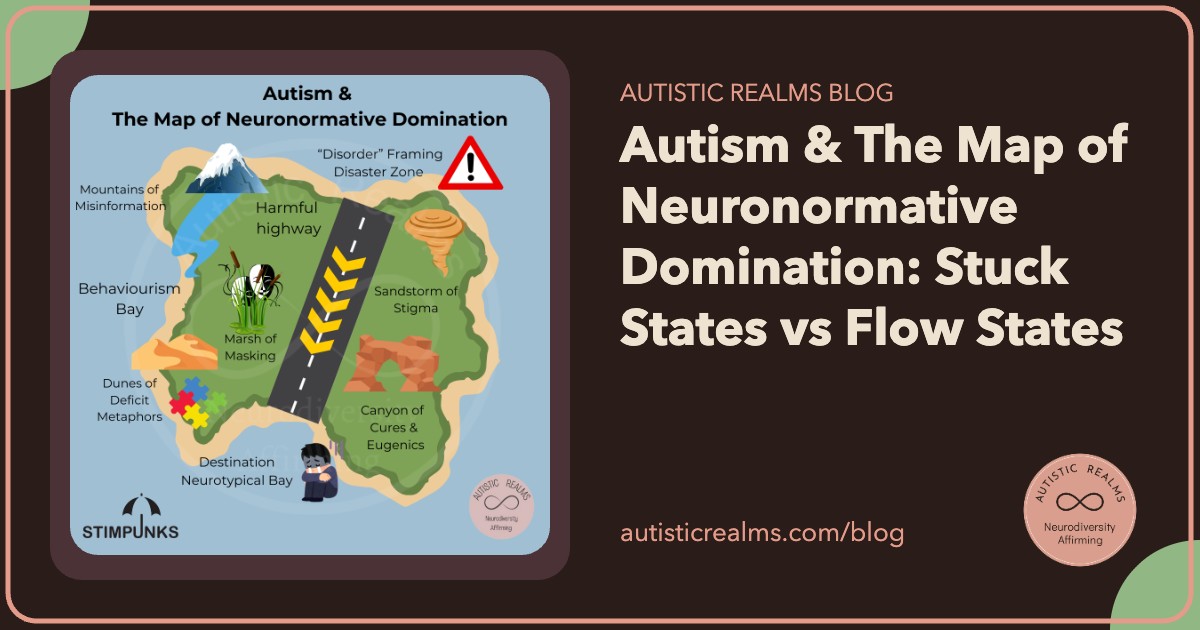
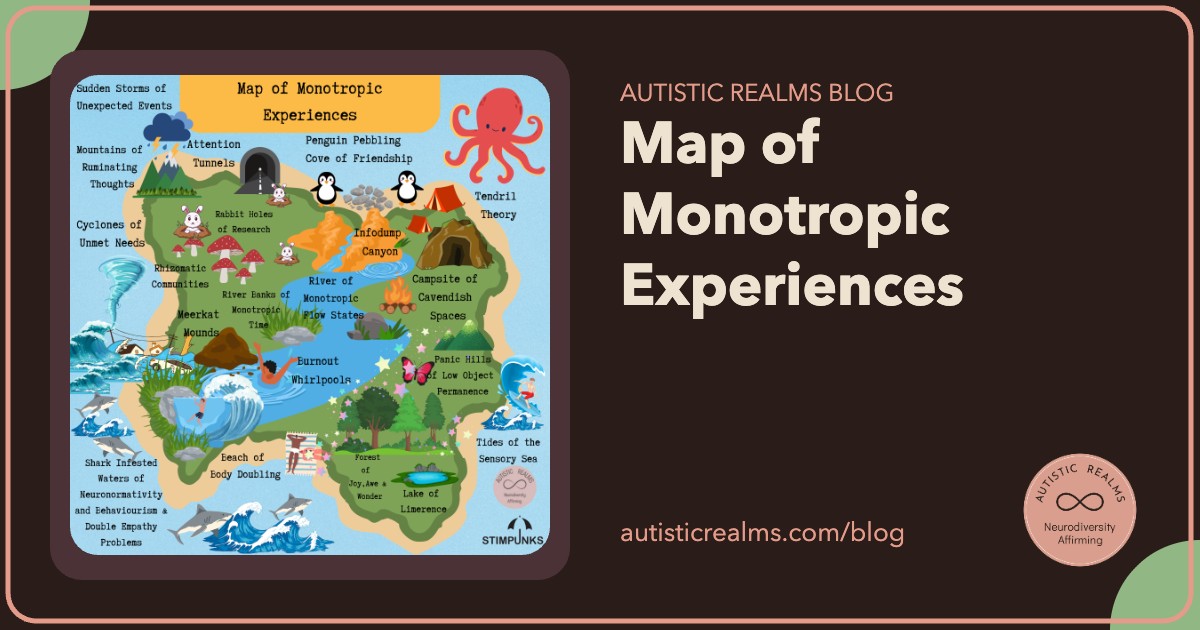
Autism & The Map of Neuronormative Domination: Stuck States vs Flow States
The Map of Monotropic Experiences now has a home of its own. Read more about neuronormative domination, the water the whole map sits in, at monotropicmap.org, and explore each of the twenty areas of the map there too. In collaboration with Ryan Boren, Chelsea Adams and Norah Hobbs from Stimpunks I have created: Autism &…
-
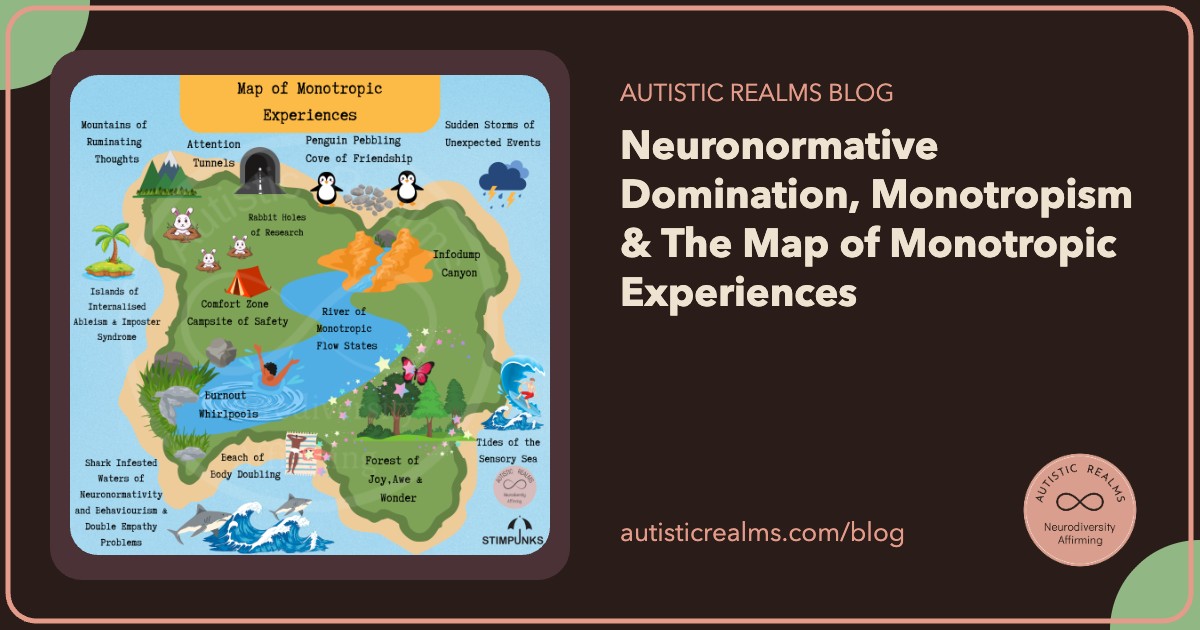
Neuronormative Domination, Monotropism & The Map of Monotropic Experiences
The Map of Monotropic Experiences now has a home of its own. Read more about neuronormative domination, the water the whole map sits in, at monotropicmap.org, and explore each of the twenty areas of the map there too. In collaboration with Stimpunks, I created a Map of Monotropic Experiences. This is a revised edition of…
-
Map of Monotropic Experiences
The Map of Monotropic Experiences now has a home of its own. Visit monotropicmap.org to explore each of the twenty areas, mark your own map and find the free training. You can also find the free training and downloads further down this page. Monotropism seeks to explain Autism in terms of attention distribution and interests. …
-
Monotropism and Collective Flow
In Milan Kundera’s novel, ‘The Unbearable Lightness of Being’ (1981), he described the heaviness of life, the restrictive oppression and boundaries that can tie us all down, yet there is freedom in the possibilities the mind can bring and in the choices we can make. We can subvert the restrictions of neuronormative society; we can,…
-
Quantum Neuro-Holographic Thoughts from a Liminal Space
“Quantumness tends to prosper in very cold systems that are carefully isolated rather than part of a tepid soup awash with other activity.” (Lewton, T. 2024) This may be a weird take, but … I think we could use the idea of quantumness and reframe it around an interpretation of marginalised groups living on the edges of…
-
Neuro-Holographic Thoughts
I believe that the DEEP (Double Empathy Extreme Problem) is at the heart of all the systemic ableist issues we have in our education, social and healthcare systems. The lack of an embodied presence and connection between people being together as humans is causing harm. It is leaving marginalised people further on the edges and…
-
Neuroqueering in the Liminal Spaces
Neuroqueering in Liminal Spaces “By silencing our bodyminds, they (neurotypical society) have halted the growth of a chaotic self. We are no longer able to move fluidly through our experience, instead frozen like ice on an arctic tundra” (Gray-Hammond, 2023) David Gray-Hammond (Emergent Divergence) and I are responding to each other’s blogs to help expand the…
-
Neuroqueer Collaborative Work Flow Spaces
A behind-the-scenes look into the collaborative workflow between Helen Edgar (Autistic Realms) and Ryan Boren (Stimpunks) as we write about Neuroqueer Learning Spaces (NQLS) and continue our neuroqueering journeys, connecting with awe-inspiring people and discovering new ideas to explore along the way. Liminal Spaces Ryan Boren (Stimpunks) and I are neuroqueering ourselves and the spaces we…
-
Autistic Community: Connections and Becoming
Everyone seeks connection in some way or another. Connections may look different for autistic people. In line with the motto from Anna Freud’s National Autism Trainer Programme (Acceptance, Belonging and Connection), creating a sense of acceptance and belonging is likely to be more meaningful for autistic people than putting pressure on them to try and…
-
Autistic Burnout: Social Media Project November 2023
Autistic burnout is a term often used within the autistic community to describe an intense exhaustion that many autistic people experience where input and demands from life exceed the capacity a person has to manage. As part of my ongoing work within the neurodivergent community, I hope to help develop a deeper understanding and awareness…
-
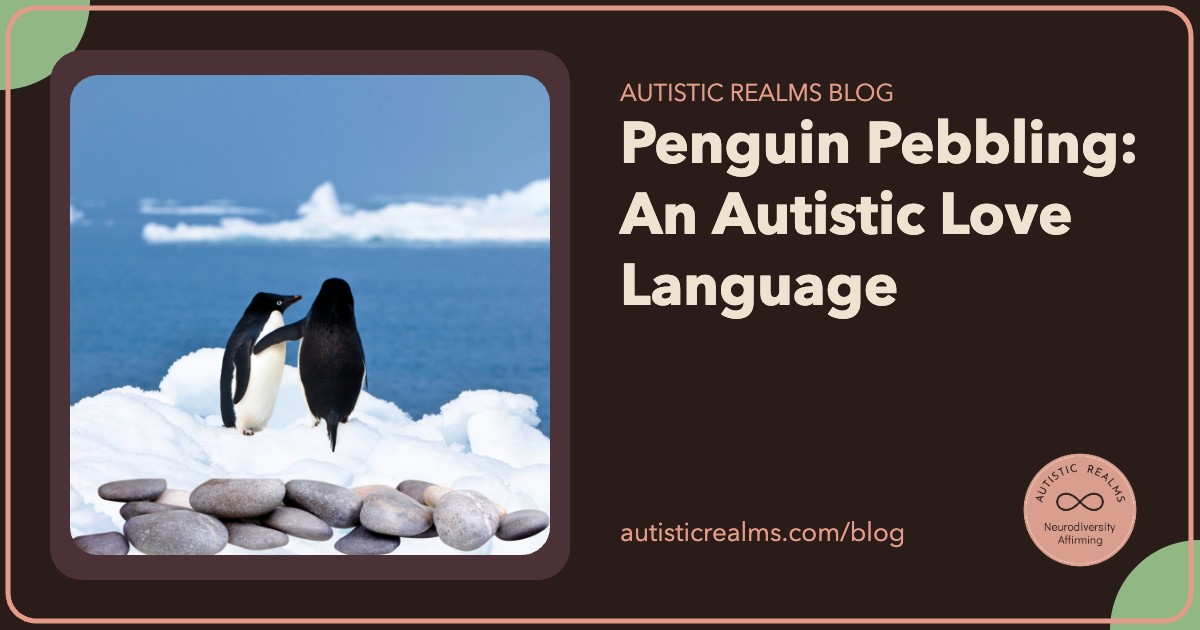
Penguin Pebbling: An Autistic Love Language
Penguin Pebbling is a neurodivergent way of showing you care, like sharing a meme or twig or pretty stone to say “I’m thinking of you,” inspired by penguins who gift pebbles to those they care about.