I’m delighted to share the Neuroaffirming Advent Calendar that Lisa Chapman and I created together in 2023, we updated in 2024 and here is the updated 2025 version. This is labour of love designed to support Autistic people, families, and professionals throughout December and beyond into 2026.
Each day opens a window into a new idea, resource, or celebration of Autistic ways of being, helping you build your own Autism-affirming resource library.
Instead of chocolates, our calendar offers insight: from stimming, Autistic play, and energy accounting, to communication styles.
Every page gently challenges outdated pathologising narratives about autism and replaces them with acceptance, belonging, and a sense of pride in neurodivergent identity.
Creating this calendar felt like making a gift for our community — one filled with penguins, warmth, Autistic joy, and resources that can be returned to all year round.
Feel free to download and share.
Our hope is that it brings comfort, knowledge, and a reminder:
It’s good to be Autistic!
Merry Christmas!
Sign up to Lisa’s blog here: A Labour of Moles
Day 1
Our theme is love 💜.
We will be highlighting lots of resources informed by, written and collected with love from
Our first share is the Epic Autism Padlet hosted by Spectrum Gaming.
https://padlet.com/spectrumgaming/epic-autism-resources-e9k3m18miqwgiy1w
Day 2
Theme of the day: Autistic Love Languages and Penguin Pebbling
Find out more here from Stimpunks
https://stimpunks.org/2022/01/22/the-five-neurodivergent-love-languages-2/
https://autisticrealms.com/penguin-pebbling-an-autistic-love-language/
Day 3
Theme of the day: Acceptance.
ABC’s of love (Acceptance, Belonging, Connection) are the motto for the
National Autism Trainer Programme #NATPmentalhealth
https://www.annafreud.org/training/health-and-social-care/national-autism-trainer-programme/
Day 4
Theme of the day: Double Empathy
Cartoon:
https://www.instagram.com/p/Co9sFkzN54u/?utm_source=ig_web_copy_link
Video:
https://drive.google.com/file/d/14nxBDjBLWm8rEUTiGDg0v7vjtpePUh62/view?fbclid=IwAR3seOaADy4yB3p6ywueEuyTOwA9p45ivCdb6w-RLju3HwIqSCtiexeyr6k
Research: https://pubmed.ncbi.nlm.nih.gov/37846479/
Day 5
Theme of the day: Connection
Communication is a 2 way street, be kind & learn how others communicate’ & connect, this helps acceptance & belonging.Lisa Chapman and Autistic Realms are sharing NeuroWild ‘s resource and info about Double Empathy from The Epic Autism Padlet hosted by Spectrum Gaming
https://padlet.com/spectrumgaming/epic-autism-resources-e9k3m18miqwgiy1w
Neurowild Cartoon about Double Empathy:
https://www.facebook.com/share/p/YCeoTrhY689VG9j8/
Day 6
Theme of the day: AAC
Alternative Communication (AAC) includes all forms of communication! A fab excuse to explore this great blog by AssistiveWare
https://www.assistiveware.com/blog/intermittent-unreliable-insufficient-expensive-speech
“There is a lot of space between being nonspeaking and being able to consistently meet all of our communication needs using socially expected amounts of speech….Intermittent, unreliable, insufficient, and expensive speech help describe the space between nonspeaking and fully speaking.”
Day 7
Theme of the day: Stimming
Stimming helps regulation and also brings joy. Fabulous video by Sophie Broadgate
The film was commissioned by Manchester Collective.
https://pikaiafilms.co.uk/In-Motion-2022
Day 8
Theme of the day: Spoons and Energy
It can be exhausting being Autistic! Managing your energy levels is essential to being able to survive and thrive.
Sharing the absolutely amazing resources from Autism Level UP
https://www.autismlevelup.com/?fbclid=IwZXh0bgNhZW0CMTAAAR3a00P_bTAOpsMDOOFfNUaKHi_ooZiCmpw_gWPvOnpQB5rzU0Je9RCzzAw_aem_cLabGARkapQ-SHaJkEZ8fQ#home
The original blog about Spoon Theory by Miserandino
https://butyoudontlooksick.com/category/the-spoon-theory/
Wonderful resources from Reachout ASC – Autism, ADHD & PDA Support explaining spoon theory by Lyn McCann
https://reachoutasc.com/spoon-theory-and-autism/
Day 9
Theme of the day: Passions and Interests
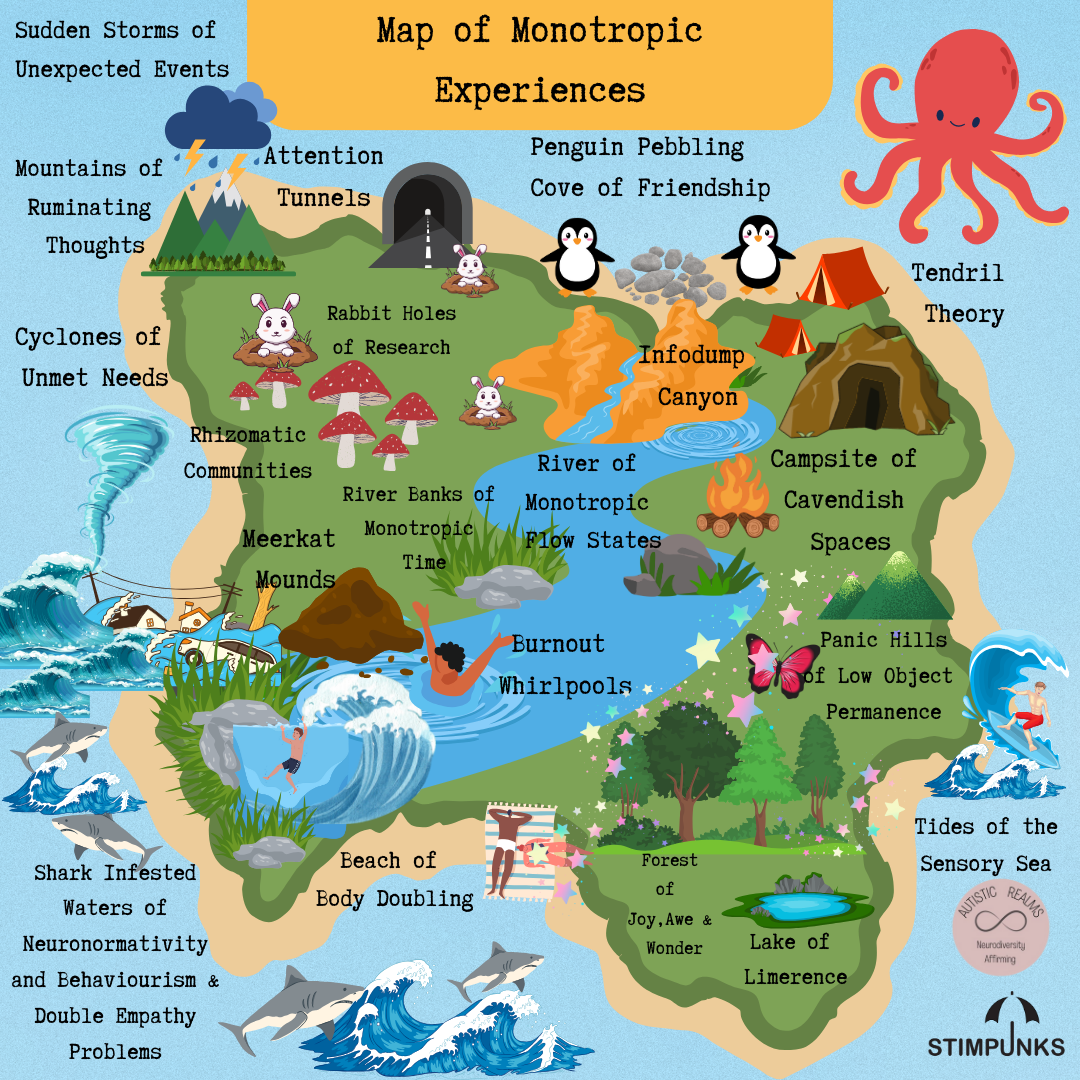
Infodumping about things you love and are passionate is one aspect of neurodivergent love languages, it is also closely tied into the theory of monotropism
For further information about how embracing your passions and interests can support well being see these wonderful resources:
Five Neurodivergent Love Locutions from Stimpunks
https://stimpunks.org/2022/01/22/the-five-neurodivergent-love-languages-2/
MSc Research autistic teenagers’ interests by Lisa Chapman
https://www.canva.com/design/DAGRuZRbP88/_geHKr_lQJXyUIk6lSgv7Q/edit
A project exploring autistic adults’ interests and passions led by @drchrisjbailey
https://rulingpassions.wordpress.com/ruling-passions/
Information about Monotropism: https://monotropism.org/?s=wellbeing written by Fergus Murray Arts, Science & Minds
Day 10
Theme of the day: Physical Health
earn more about symptomatic hypermobility and neurodivergence. We recommend looking at the wonderful resources and support offered through SEDSConnective
https://www.sedsconnective.org
There are also are also some great blogs by @disabledginger about chronic illness
https://www.disabledginger.com/p/learning-to-let-go-how-to-accept
Day 11
Theme of the day: Environments matter.
Change the environment not the person!
(Autistic) person + Environment = Outcome (Luke Beardon).
Environments go beyond physical = Think Autistic SPACE
https://www.magonlinelibrary.com/doi/full/10.12968/hmed.2023.0006 research from Autistic Doctors International – public page
Day 12
Theme of the day: Reading
There is a wonderful list of Autism Books By Autistic Authors
The Autism Books by Autistic Authors Project is an (ongoing) attempt to catalogue all books-non-fiction and fiction-written about and related to Autism by Autistic authors.
https://autismbooksbyautisticauthors.com/
https://autisticrealms.com/reading-list-neuro-affirming-books/
https://www.thrivingautistic.org/books
Day 13
Theme of the day: Diversity is beautiful, natural, needed.
A thriving natural ecosystem requires biodiversity.
A thriving society requires neurodiversity.
Sharing resources from:
Neurodiversity Can Explain Differences in How People Experience Everyday Life (ideal for young people!)
https://kids.frontiersin.org/articles/10.3389/frym.2024.1434143
Lived Experience Educator
The Neurodiversity Smorgasbord: An Alternative Framework for Understanding Differences Outside of Diagnostic Labels
https://www.livedexperienceeducator.com/blog/theneurodiversitysmorgasbord
Research:
H. Bertilsdotter Rosquist and D. Jackson-Perry (eds.), The Palgrave Handbook of Research Methods and Ethics in Neurodiversity Studies,
https://doi.org/10.1007/978-3-031-66127-3_14
Autism Central: An introduction to neurodiversity – https://youtu.be/zDiWGHgWeUk?si=TZdDJhbsI01WDDUk
Day 14
Theme of the day: Autism and Eating
Eating & drinking don’t happen in a vacuum. There’s a lot of sensory stuff going on. Support curiosity & conversation. Consider interoception. Great article here by Kelly Mahler:
https://www.kelly-mahler.com/resources/blog/interoception-and-feeding-and-arfid/
Also: https://autisticrealms.com/being-autistic-and-eating/
Day 15
Theme of the day: Monotropism
“Monotropic minds tend to have their attention pulled more strongly towards a smaller number of interests at any given time, leaving fewer resources for other processes”
Find out more:
https://monotropism.org/
https://autisticrealms.com/monotropism/
https://stimpunks.org/glossary/monotropism/
Follow: https://bsky.app/profile/monotropism.bsky.social
Day 16
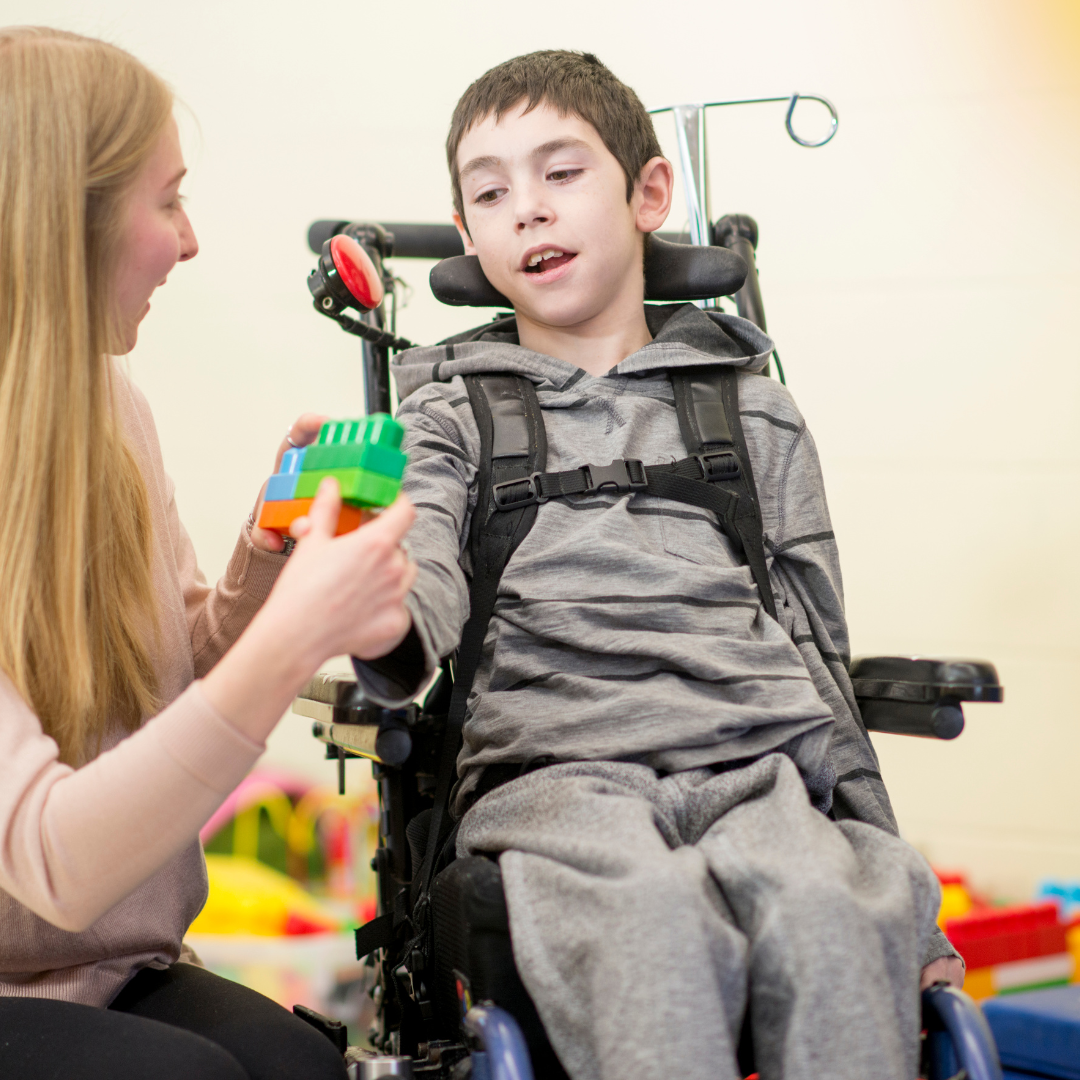
Theme of the day: Autistic Play
“Look at the sensorimotor, language, cognitive, emotional, social experiences & skill building…And let autistic kids be autistic kids.”
Check out: https://juststimming.wordpress.com/2021/12/20/about-functional-play/?fbclid=IwAR3PbPnztHTrKTKYBXa70i8E-euRzKgoD8uLfc6Ir_cimCUAZrjhAOb_PB0
Also: https://autisticrealms.com/autistic-play-monotropism/
And: https://playradical.com/
Day 17
Theme of the day: Communication
Everyone communicates in different ways and communication needs can change over time too.
“There is a lot of space between being nonspeaking and being able to consistently meet all of our communication needs using socially expected amounts of speech.”
AssistiveWare has some great resources :
https://www.assistiveware.com/resources
Great blog:
https://www.assistiveware.com/blog/intermittent-unreliable-insufficient-expensive-speech
Lots more info on the Epic Autism Padlet hosted by Spectrum Gaming
https://padlet.com/spectrumgaming/epic-autism-resources-e9k3m18miqwgiy1w
https://autisticrealms.com/neuro-affirming-language-glossaries/
Day 18
Theme of the day: Triple Empathy Problem
Empathy is cultural. Difficulties empathising depend on cultural differences, & may be increased where multiple cultures are at play.
Chris Bonnello – Autistic Author
https://youtu.be/yku0QpNPwNE?si=ms0KG590XF5x9JLe
Autistic Doctors International – public page
https://journals.sagepub.com/doi/10.1177/13623613231205629
Summary of Triple Empathy Problem by Stimpunks
https://stimpunks.org/glossary/triple-empathy-problem/#:~:text=The%20%E2%80%9Ctriple%20empathy%20problem%E2%80%9D%20acknowledges%20the%20friction%20of,and%20notes%20the%20epistemic%20injustice%20of%20it%20all
Day 19
Theme of the day: Clothing
Changes to clothing can be difficult for sensory reasons. Having dress codes is not inclusive and ableist.
More reading: Stimpunks
https://stimpunks.org/glossary/dress-codes/
https://stimpunks.org/glossary/dopamine-dressing/
Day 20
Theme of the day: Gaming
Gaming offers many opportunities ‘to be’
Reframing our understanding, from control & concern, to one of experience sensitivity https://journals.sagepub.com/doi/pdf/10.1177/00221678241232442
@elainemcgreevy.bsky.social et al, we open possibilities for mutual acceptance, belonging & connection
Reducing the #DoubleEmpathy gap
Lots more amazing resources on Spectrum Gaming’s Epic Autism Affirming Padlet:
https://padlet.com/spectrumgaming/epic-autism-resources-e9k3m18miqwgiy1w
Day 21
Theme of the day: Autistic Identity
Autistic Identity is linked to Self Determination Theory
Autonomy=Embracing autistic ways of being Monotropic
( https://monotropism.org/ )
&
Relatedness = Exploring connections
https://ndconnection.co.uk/
&
Competence = Embracing autistic communication https://stimpunks.org/2022/01/22/the-five-neurodivergent-love-languages-2/
Day 22
Theme of the day: Routines and reducing uncertainty
To know why routines support Autistic thriving, we must embrace Autistic ways of processing including
#monotropism & factors that impact this such as our sensory differences.
“‘SPACE’ encompasses five core autistic needs: Sensory needs, Predictability, Acceptance, Communication and Empathy. Three additional domains are represented by physical space, processing space and emotional space. This simple yet memorable framework encompasses commonalities shared by autistic people.”
Resources:
Autistic Doctors International – public page
https://www.magonlinelibrary.com/doi/full/10.12968/hmed.2023.0006
Tendril Theory by @eisforerin
https://eisforerin.com/2015/08/10/tendril-theory/
and Fergus Murray Arts, Science & Minds
https://monotropism.org/
and Thinking Person’s Guide to Autism & Fergus Murray Arts, Science & Minds
https://thinkingautismguide.com/2022/04/understanding-how-routines-can-help-autistic-people.html
Day 23
Sharing the fabulous FREE community ebook collated by Jade Farrington – Counsellor and Therapist
A Community Guide to a Happy Neurodivergent Christmas –
DITCH THE EXPECTATIONS AND MEET YOUR NEEDS
Autistic joy may look a bit different – do what works for you and support those you love to embrace their passions and stims.
https://jadefarrington.substack.com/p/download-the-2nd-edition-of-a-community
Day 24
Wishing you all a happy festive period however you celebrate and rest.
Sharing the wonderful Good To Be Me video by Spectrum Gaming
Here are the animations I created with Thriving Autistic Team this year – Enjoy!
https://www.thrivingautistic.org/autistic-experiences-animation-videos/