Tag: Autism
-

Intensive Interaction as Neuro-Affirming Relational Practice
Intensive Interaction isn’t about “fixing” or prompting communication. It’s about meeting someone where they are—through connection, attunement, and shared flow. A neuro-affirming, relational framing to support those with profound and multiple learning disabilities.
-
The Autistic Rhizome: Community, Liminal Spaces & Belonging
Autistic belonging grows through community, from liminal spaces, not conformity.
-
Re-Storying Autism
Re-Storying Autism A Framework For Families, Parents, And Carers: Reimagining Support For Autistic People. #1 Amazon Bestseller
-
Monotropism, Limerence And Autistic ADHD Experiences
Limerence in Autistic and ADHD people may be shaped by monotropism, a natural tendency toward deep focus and emotional intensity. Rather than being unhealthy or excessive, this pattern reflects how monotropic people engage deeply with relationships, meaning, and how they form connections.
-
Beyond “Complex Needs”: Neuro-Affirming, Relational Practice with Children with Profound and Multiple Learning Disabilities
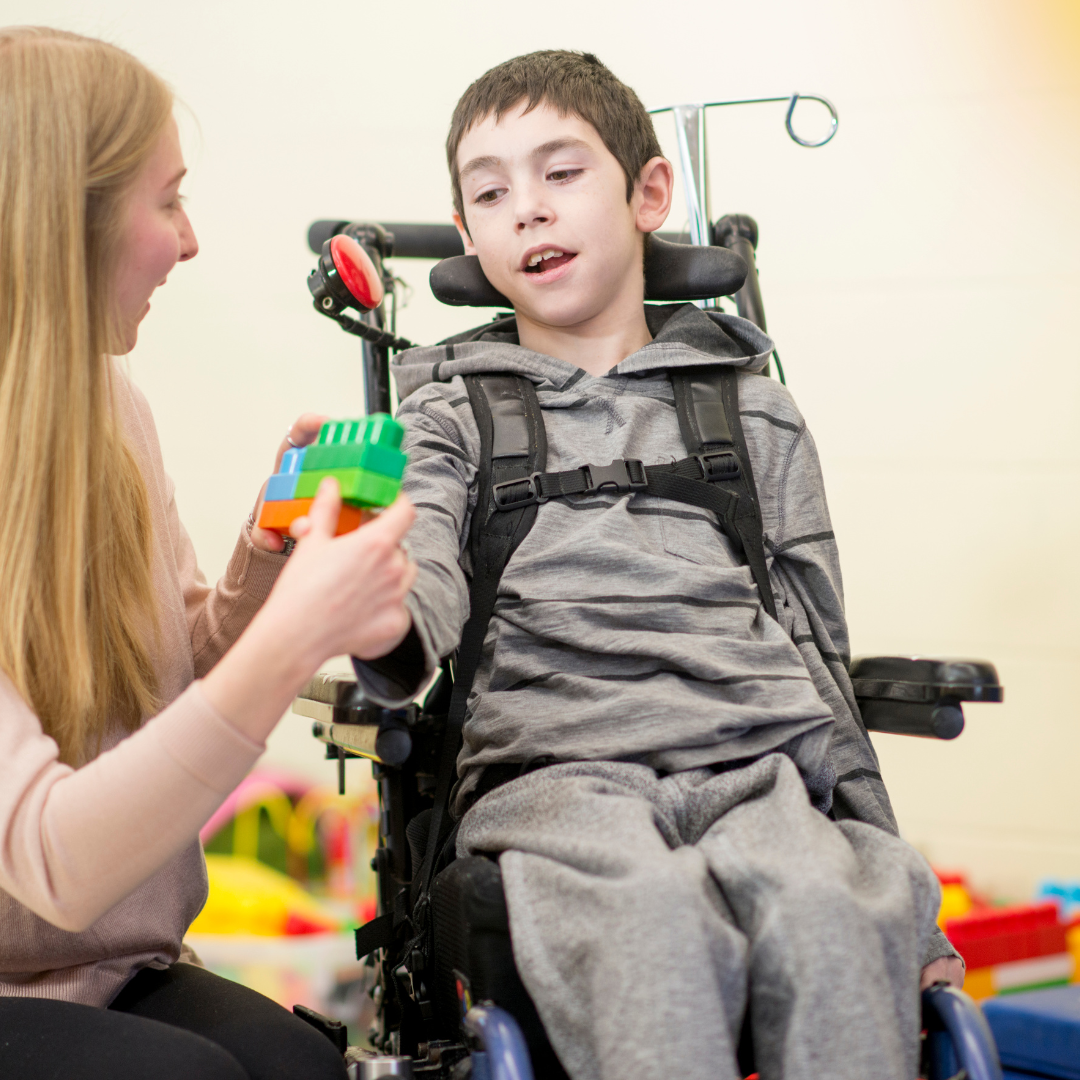
A neuro-affirming, relational approach to supporting children with profound and multiple learning disabilities, centred on safety, communication, and being-with.
-
What schools and parents need to understand about supporting Autistic and neurodivergent children
What schools and parents need to understand about supporting Autistic and neurodivergent children
-
Join NeuroHub Community Space
Join me & David Gray-Hammond in our new community NeuroHub. Access to exclusive webinars, resources and space to connect with others! Hope to see some of you there!
-
The Neuronormative Paradigm: Naming The Systems That Harm
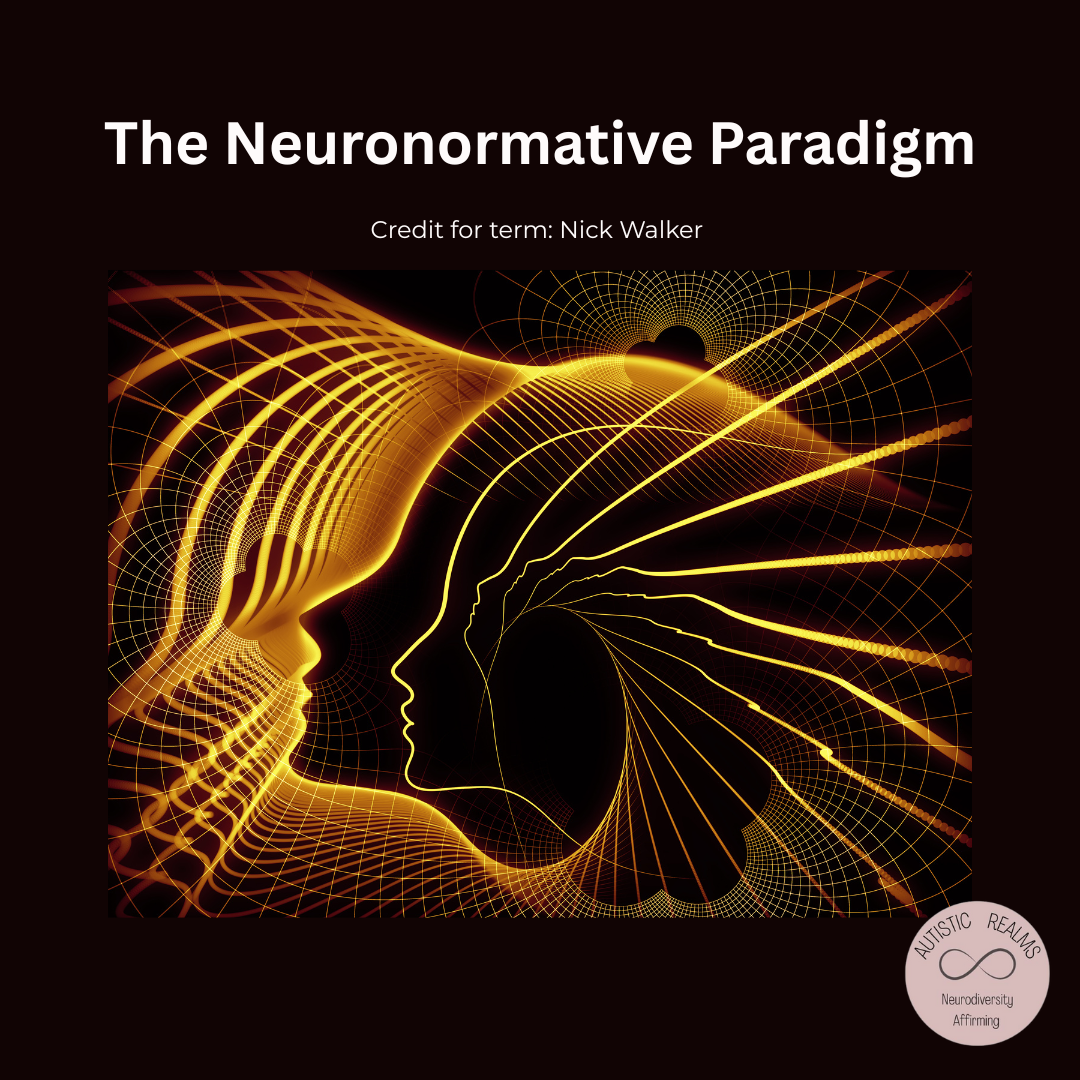
The Neuronormative Paradigm, conceptualised by Nick Walker, names the systems that define and enforce what society considers normal. This exploration piece contrasts the neuronormative paradigm with the neurodiversity paradigm, which recognises all ways of being as vital to human diversity.
-
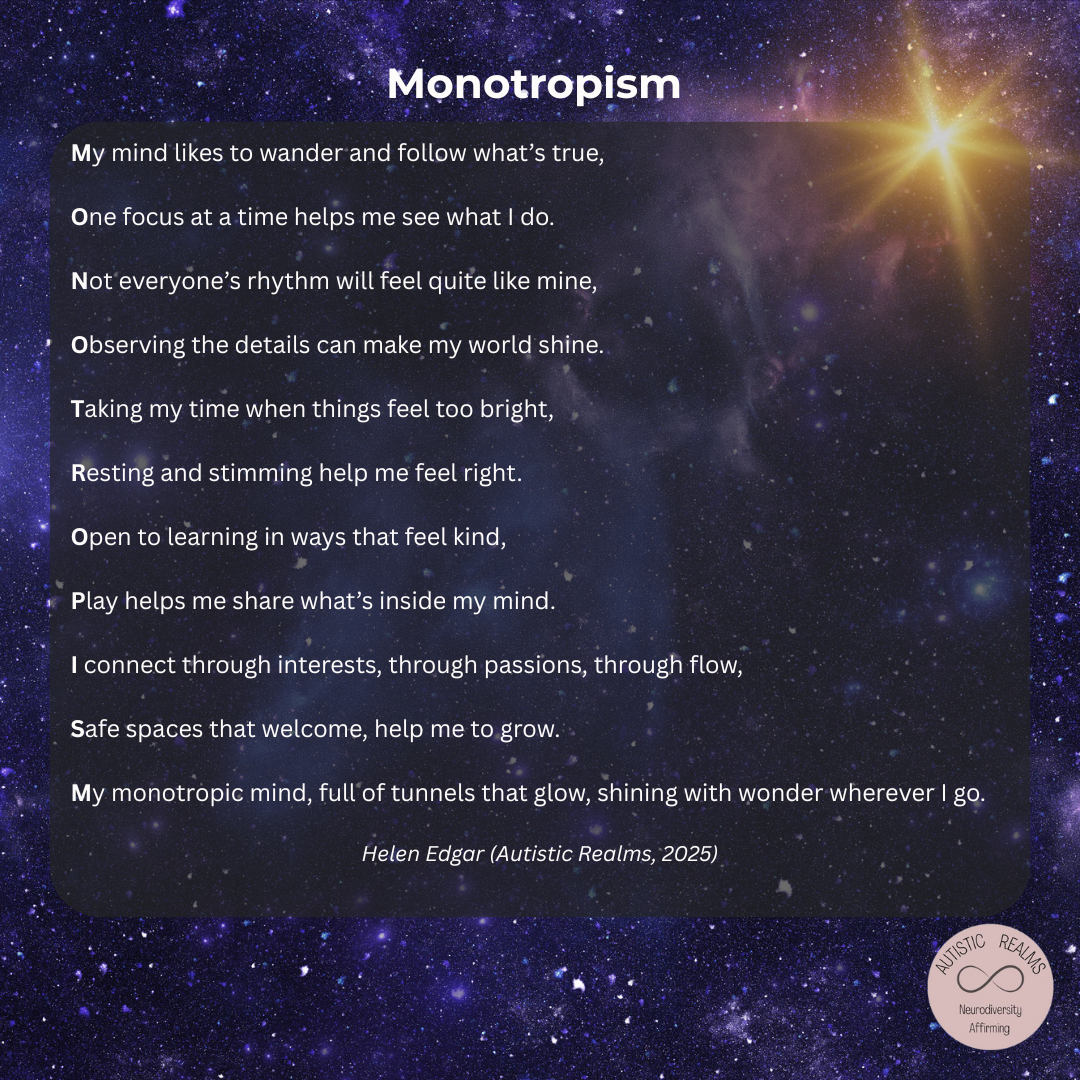
Monotropism: A Poem
A poem about monotropism for children, young people, families and educators to open conversations about Autistic & ADHD experiences.
-
Understanding the Double Empathy Problem: A Guide For Autistic People & Families
FREE Neuro-Affirming Communication & Sensory Passport + Training Support Autistic people through better understanding of communication, sensory needs & double empathy.
-
Presuming Competence: A Neuro-Affirming Reframe To Support Autistic People
When “presume competence” is applied without a neuro-affirming lens, it can become a harmful, ableist expectation
-
Inclusion Needs Recognition, Not Erasure: A Neurodiversity-Affirming Approach
When headlines claim that autism and ADHD are “invented labels,” it’s more than rhetoric, it’s erasure. A explores why removing neurodiversity from education would harm the very children inclusion is meant to protect.
-
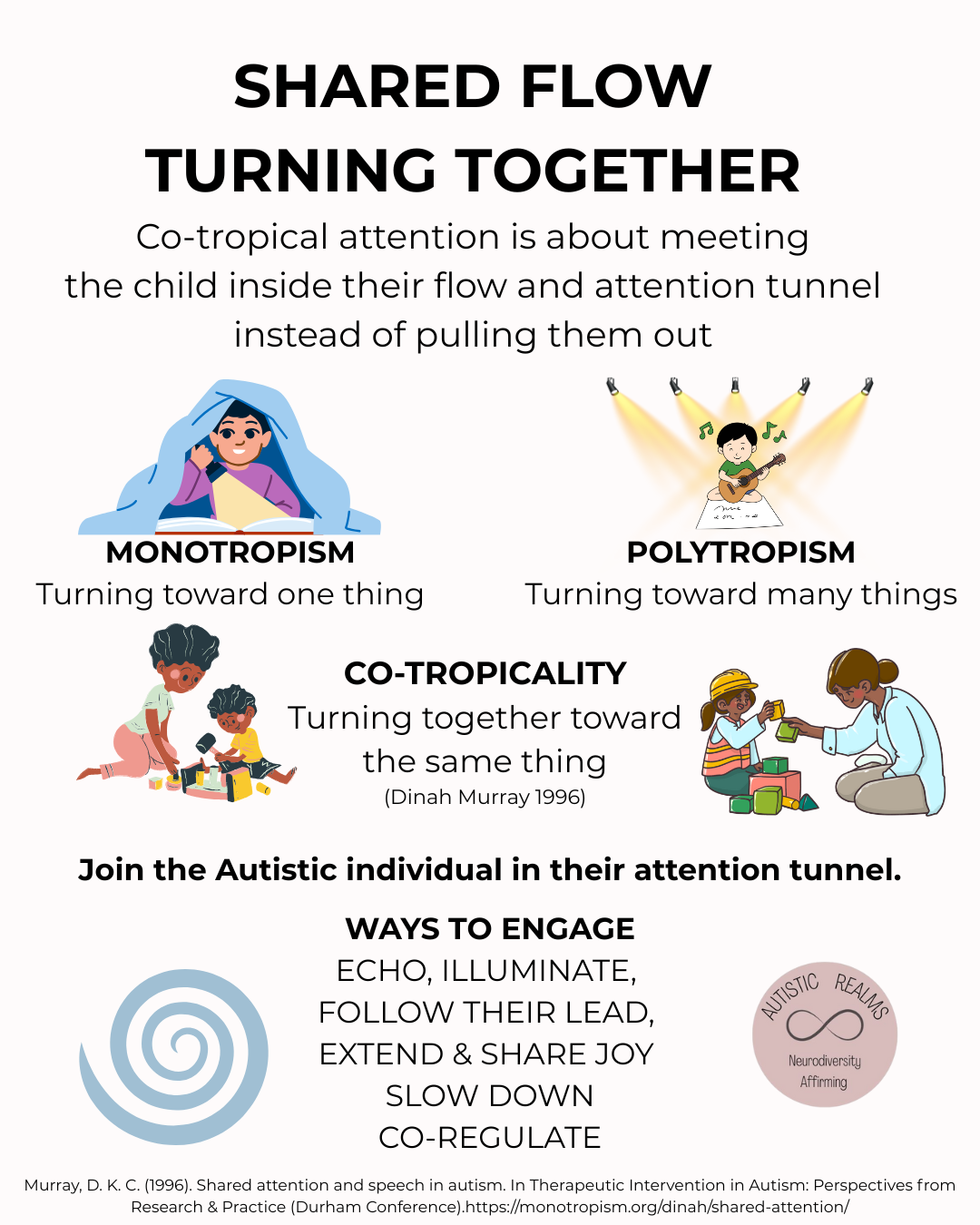
Shared Flow: Turning Attention To Support Children Together
Discover Dinah Murray’s concept of co-tropicality—turning our attention together. Explore how joining Autistic children in their flow builds trust, co-regulation, and deep relational connection through shared focus and joy.
-
Protecting the Meaning of Neuro-Affirming Practice
Discover what genuine neuro-affirming practice looks like — beyond tokenism and “neurodiversity-lite.” Explore how to protect the heart of the neurodiversity movement and uphold its community-led roots.
-
Discovering Belonging: Creating Neuro-Affirming Animations with Thriving Autistic
Discovering Belonging: Neuro-Affirming Animations with Thriving Autistic. Celebrate Autistic identity through the Discovery Programme and new animations that explore belonging, strengths, and community.
-
Monotropism vs Polytropism: ADHD, AuDHD & Autistic Attention
Explore how monotropism shapes Autistic, ADHD, and AuDHD attention. Dispelling myths, uncovering research and exploring why neuroaffirming support matters for our wellbeing.
-
Monotropism and Polytropism Explained
Learn how monotropism differs from polytropism, plus research showing ADHDers and AuDHDers score higher on the Monotropism Questionnaire.
-
Glimmers: Autistic Joy and Monotropism
Glimmers are small, powerful moments of Autistic joy that emerge when we’re deeply immersed in what matters to us. Learn how monotropism & flow create space for joy in an overwhelming world. #AutisticJoy #Glimmers #monotropism
-
Summer Rhythms for Autistic Parents & Carers: Low‑Demand Parenting, Managing Energy & Sensory Needs
A practical guide for Autistic parents and carers to support energy flow, sensory regulation, and family balance through the summer holidays
-
Going Deeper: Rest, Burnout, and Monotropic Flow
Autistic burnout recovery often means going deeper into flow, not switching off. Find out about reclaiming rest through monotropic focus, spiral time, and meaningful immersion.
-
Awe, Wonder and Different Ways of Knowing: Cavendish Space and Helen De Cruz
Honouring the brilliant philosopher Helen De Cruz, whose work on wonder, thinking, and inclusion helped shape and inspire our Neuroqueer Learning Spaces and Cavendish Space. Her ideas continue to guide how we create space for divergent minds to thrive.
-
Mingling with the universe: Autistic Perception
Mingling with the Universe” exploring Autistic meaning-making as sensory, felt, and more-than-human, where solitude becomes connection, and the world speaks in textures, rhythms, and resonance. It’s not about escaping, it’s about finding belonging otherwise.
-
Unmasking: Reclaiming Our Monotropic Attentional Resources?
Exploring masking and unmasking: reclaiming our monotropic attentional resources, reconnecting with ourselves and community
-
Mossy Minds & Monotropism
An exploration of moss and monotropic ways of being. An invitation to slow down, sink in, and reconnect through sensory depth and shared presence in liminal spaces.
-
The Power of Monotropic Flow: Reclaiming Ourselves Through Creative Practice
“Art opens up space for healing and a way of reclaiming your own narrative”. Letting go of how we should rest or should work opens up a pathway towards restorative flow.
-
Empowering Advocacy: Neuro-Affirming Support for Your Autistic Young Person at School
By Helen Edgar (Autistic Realms), with David Gray-Hammond & Tanya Adkin Navigating the education system as the parent or carer of an Autistic child can often feel like steering a tiny boat through stormy seas, it can feel impossibly hard and be exhausting. For many families, the challenge isn’t just the school system; it’s the…
-
Neurodiversity Affirming Reading Recommendations
Looking for neurodiversity-affirming reads? I’ve have a growing collection of books listed by autistic authors, advocates, and researchers. Perfect for parents, professionals, and curious minds alike. Explore stories that affirm, not fix. Neurodivergent voices centred. From education to identity, burnout to belonging.
-
Monotropism, Spiral Time, and the Rhizome of Memories
Memory may not be linear for neurodivergent people. It may feel like a spiral of felt sensations. Being monotropic shapes how I re-sense moments, navigating echoes and threads of sensory experiences rather than always recalling events.
-
Sintering: Neurodivergent Community Building
When snow first falls, its flakes are delicate and vulnerable, but over time, a quiet transformation begins. Sintering is the process through which individual snow grains gradually begin to bond. Tiny necks form between them, bridging the gaps, making the snowpack stronger, more resilient, and more resistant to collapse. Sintering In Theory of Water: Nishnaabe…
-
Reclaiming Rest: Autistic Burnout, Monotropism, and Resistance
Rest can become a radical act in a world that often equates our worth with productivity, especially for Autistic or otherwise neurodivergent people navigating the tides of burnout, where even our ways of resting may look different.
-
Neuroqueering Time: Bergson, Deleuze, and Monotropism (an exploration)
Time as a double temporality problem, exploring interest gravity for monotropic people and flow as a temporal home…..
-
Monotropic Time – A Short Blog
Monotropic Time: A Different Rhythm If you are Autistic, ADHD, or AuDHD, time may not feel like a straight line, and you may feel you are constantly battling against the time on the clock. Your internal perception of time may feel more like a spiral, looping, stretching, expanding and contracting, sometimes speeding up and other…
-
Autistic Young People: Skills Regression, Burnout or a shift in Monotropic Attentional Resources?
Autistic individuals may not lose skills but instead redirect their monotropic attention toward new interests or areas of development.
-
Monotropic Time
Each person’s experience of time is likely to be influenced by culture, age, disability and neurodivergence. For Autistic/ADHD/AuDHD people, time is anything but linear or neutral and is not a universally accepted given.
-
Challenges for Autistic & Neurodivergent Families Navigating the SEND System: We Need to Understand the Double Empathy Problem & Embrace Monotropism
(Blog based on a presentation I delivered to London Met University 14th March 2025, updated April 24th 2025 following the research published by…. Introduction The Special Educational Needs and Disabilities (SEND) system is designed to support children with additional needs, yet for many neurodivergent families, it presents more barriers than solutions. Families navigating this system…
-
What does ‘neuro-affirming’ mean for Autistic young people?
This blog was written by myself, Helen Edgar of @autisticrealms for GROVE. I am delighted to work with Grove Neurodivergent Mentoring and Education as their Training, Education & Resource Specialist. This blog was edited by Jess Garner, GROVE’sFounder/Director. The blog, ‘What does ‘neuro-affirming’ mean for Autistic young people?’ is available to read on GROVE’s website, along with many other resources and information…
-
The Map of Monotropic Experiences: A Summary
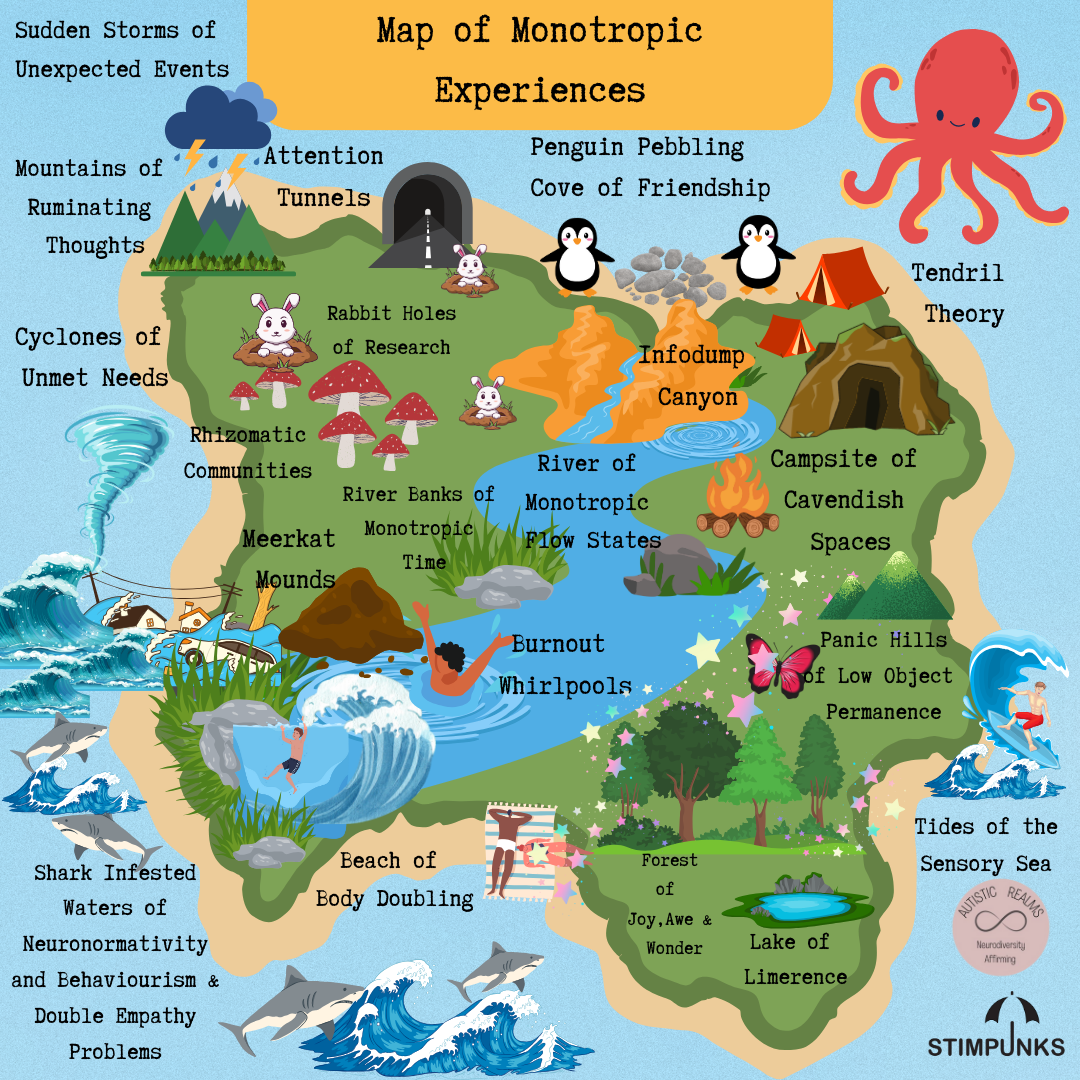
The Map of Monotropic Experiences, created by Helen Edgar of Autistic Realms in collaboration with the Stimpunks Foundation, visually represents 20 common aspects of monotropic experience. Monotropism is a theory that seeks to explain autism (and may also resonate with ADHDers) in terms of attention distribution and interests. Our map was originally inspired by Gemma…
-
Neuronormative Domination, Monotropism & The Map of Monotropic Experiences
In collaboration with Stimpunks, I created a Map of Monotropic Experiences. This is a revised edition of the original map that highlights the impact of neuronormative domination that Autistic people may experience. It is framed through the lens of monotropism. I will explore some of the ways people can support monotropic (Autistic/ADHD) people to thrive…
-
Radical Resilience
Image of pink flower growing between gaps in pavement. Text:Wild flowers offer hope. Be radically resilient. Find possibilities in-between hard spaces. Be authentic and flourish in adversity. Transform the landscape. Be a wild flower.
-
Gestalt Language Processing, Monotropism & Young People
Monotropic (Autistic/ ADHD) people have fewer tunnels of interest to process and use their energy than polytropic people (non-Autistic/ADHD). Polytropic people can more easily split their processing and energy resources across multiple channels than monotropic people, this may explain some key differences in communication people experience. It may initially sound a bit conflicting to discuss…
-
Autistic Burnout – Supporting Young People At Home & School
Autistic burnout in young people is real—and recovery starts with understanding. This post offers neuroaffirming ways to spot the signs, reduce demands, and truly support. 💛 #AutisticBurnout #Neuroaffirming #Monotropism #AutisticSupport
-
Monotropic Interests and Looping Thoughts
The theory of monotropism was developed by Murray, Lawson and Lesser in their article, Attention, monotropism and the diagnostic criteria for autism (2005). Monotropism is increasingly considered to be the underlying principle behind autism and is becoming more widely recognised, especially within autistic and neurodivergent communities. Fergus Murray, in their article Me and Monotropism:…
-
Map of Monotropic Experiences
Monotropism seeks to explain Autism in terms of attention distribution and interests. OSF Preprints | Development and Validation of a Novel Self-Report Measure of Monotropism in Autistic and Non-Autistic People: The Monotropism Questionnaire This map highlights 20 common aspects of my personal monotropic experiences. How many do you experience? Where are you on the map…
-
Monotropism and Collective Flow
In Milan Kundera’s novel, ‘The Unbearable Lightness of Being’ (1981), he described the heaviness of life, the restrictive oppression and boundaries that can tie us all down, yet there is freedom in the possibilities the mind can bring and in the choices we can make. We can subvert the restrictions of neuronormative society; we can,…
-
Autistic Burnout – Supporting Young People At Home & School
Being autistic is not an illness or a disorder in itself, but being autistic can have an impact on a person’s mental and physical health. This is due to the often unmet needs of living in a world that is generally designed for the well-being of people who are not autistic. In addition, three-quarters of…
-
Neurodivergent Base-Camp
Explaining what it is like to be autistic to non-autistic people can be difficult. To quote Dawn Prince-Hughes (Cultural Autism Studies at Yale), being autistic is like “being human without the skin”. This can be difficult for non-autistic people to understand. Seeing and feeling the blank looks and Double Empathy Problem (Milton, 2012) at a…
-
Neurodivergent Co-Regulation
Being neurodivergent can be really hard work in a world that is mostly still lacking in an understanding of the differences in sensory, social, and communication needs of autistic/ADHD and other neurodivergent people. Different lived experiences can create a double empathy gap (Milton, 2012). This means that people’s needs are often not adequately met, and…
-
Monotropism, Holotropism & Floatation Experiences
I am autistic and monotropic, and I am interested in exploring Helen Mirra’s theory of holotropism (2023) and how this may impact flow states and regulation. Holotropism synthesises the theory of monotropism (Murray, 2005) with deep ecology and holistic anatomy. Holotropism is a: “multi-dimensional, spacious, edgeless terrain under the monotropism map…To be holotropic is to have…
-
Interpreting your Monotropism Questionnaire Results
This information will hopefully provide some clarity for anyone who has taken the Monotropism Questionnaire and are unsure what their results may mean.
-
Celebrations: Neurodivergent-friendly ideas to help make celebrations a success for the whole family
(A guest blog, originally written for and published by ThePDASpace, May 2023) Family life can be busy and chaotic, and you may feel like you are constantly juggling to try and keep some balance to get through the day and avoid a crisis. Changes to everyday routines, such as celebration days and events, can be…
-
Neurodiversity Affirming Glossary of Key Words – for families and professionals
(Glossary written & and originally published for THE PDA SPACE SUMMIT 2023 ) A full version of The Neurdodiversity Affirming Glossary is now available on Amazon. This blog is an abbreviated version created for The PDA Space. Language Matters It can be really hard as a parent/carer when you discover that your children are…
-
Monotropism and The Monotropism Questionnaire
This article was originally written for and published by Neurodiverse Connection (Aug 2023) What is monotropism? The theory of monotropism was developed by Murray, Lawson and Lesser (2005) in their article, Attention, monotropism and the diagnostic criteria for autism. Monotropic people focus more attention and energy resources on a more limited number of channels of interest…
-
Embracing Autistic Children’s Monotropic Flow States
Article originally written and published for Neurodiverse Connection (Sept 2023) Autistic and ADHD people are more likely to be monotropic than the rest of the population (Garau, V. et al., June 2023). This means they focus more energy and resources on fewer interests/tasks/ sensory input at any one time compared to non-autistic polytropic people. Developing a…
-
Monotropism, Autism & OCD
This blog has been inspired by Dr Jeremy Shuman’s (PsyD) presentation, ‘Neurodiversity-Affirming OCD Care‘ (August 2023), available here. Exploring similarities and differences between Autistic and OCD monotropic flow states. Can attention tunnels freeze, and thoughts get stuck? Autism research is shifting; many people are moving away from the medical deficit model and seeing the value…
-
Building a Family Sensory Toolkit
Tigger Pritchard delivered a great workshop with The PDA Space where they discussed ‘The Sensory Impact of School Holidays’, which is available to watch here in The PDA Space Portal. I have also created a FREE E-BOOK ‘Building a Family Toolkit’ which is available in my shop. https://autisticrealms.com/shop/ Sensory Systems Everyone has a sensory…
-
Monotropism Questionnaire & Inner Autistic/ADHD Experiences
Post first published 28th July 2023 Over the past few weeks, there has been a sudden surge of interest in the Monotropism Questionnaire (MQ), pre-print released in June 2023 in the research paper ‘Development and Validation of a Novel Self-Report Measure of Monotropism in Autistic and Non-Autistic People: The Monotropism Questionnaire.‘ by Garau, V., Murray,…
-
Transitions – Supporting young people throughout the day
Recognising the demands of transitions and finding ways to reduce the pressure for the young people you support. Original article written for The PDA Space Recognising the demands of transitions and finding ways to reduce the pressure (thepdaspace.com) July 2023. Corrina Wood (specialist autism practitioner and advisor) has created a great webinar about recognising and…
-
Monotropism and Experiences of being Monotropic
The theory of Monotropism was developed by Dr Dinah Murray, Wenn Lawson and Mike Lesser (2005) in their article, Attention, monotropism and the diagnostic criteria for autism. Monotropism is increasingly considered to be the underlying principle behind autism and is becoming more widely recognised, especially within autistic and neurodivergent communities. Fergus Murray,(2018), describes montropism as:…
-
Book review – Autistic Burnout, Children /Young People in Education by Viv Dawes
I am excited to announce that Viv Dawes (autistic advocate, writer, and trainer, www.autisticadvocate.co.uk) has just published her new book, Autistic Burnout, Children /Young People in Education, a book aimed at parents of autistic (or other neurodivergent) children. I have revised my preface here as a short review so everyone gets a chance to find…
-
Middle Entrance
I am starting my new blog in the middle. I am in the middle of what is known as ‘midlife’ as I am forty-five; I am also mid-career, having resigned from teaching and not yet working in any other defined role. I also live much of my life in and between the online (primarily neurodivergent)…
-
Penguin Pebbling: An Autistic Love Language
Penguin Pebbling is a neurodivergent way of showing you care, like sharing a meme or twig or pretty stone to say “I’m thinking of you,” inspired by penguins who gift pebbles to those they care about.
-
Autism & OCD – What Could Help
According to OCD-UK charity, there are,’ around three-quarters of a million people thought to be living with severe, life-impacting and debilitating Obsessive-Compulsive Disorder (OCD) here in the UK’. Many of these people may also be autistic. Stone and Chen (2015) explain that the co-occurrence rate of OCD in autistic people ‘being 3-7% is 6-14% times the…
-
Monotropism = Happy Flow State
A guest blog for PDA Space – the original more concise version of this article is here: Monotropism = Happy Flow State (thepdaspace.com) As a parent entering into the realms of Autism, ADHD, PDA or any other neurodivergence it can feel overwhelming. Not just because of the weight those labels hold and possible difficulties with…
-
Autism is fluid
Autism is not a disorder and does not need fixing or any ‘interventions’. Autism comes under the umbrella of neurodivergence, it is a different way of thinking, interacting and responding to people and the world. Nick Walker (2021) in her book Neuroqueer Heresies, states; ‘Autism is a genetically-based human neurological variant…..autistic individual’s subjective experience can…
-
Neurodivergent Friendly Classrooms
(Article published as Guest Blog for Twinkl Feb 2023)n Embrace Difference The numbers of pupils needing EHCPs and support plans are increasing in schools, and the numbers of children and young people struggling to attend school due to unmet needs are also escalating. This correlates to the rise in the number of neurodivergent children…
-
Supporting neurodivergent students who are struggling to attend school
Data shows that the number of pupils with identified SEND needs are rising. There is an increase in the number of pupils diagnosed as being neurodivergent e.g. Autistic, ADHD, Dyslexic, PDA or with sensory processing difficulties. We are also in the midst of a huge education attendance crisis demonstrated by the rising numbers of students…
-
Supporting pupils through Autistic Burnout (Neuro-Affirming Teacher Guide)
Supporting pupils through Autistic Burnout (Neuro-Affirming Teacher Guide)
-
Supporting autistic students experiencing OCD in a school setting
The National Autistic Society School report 2021 confirmed, ‘There are over 160,000 autistic pupils in schools across England. Over 70% are in mainstream school, with the rest in specialist education, home educated or out of education altogether’. This figure is likely to be much higher as there are many more who are either on…
-
Autism, OCD, Alexithymia & Interoception
Autism is a difference of neurotype and many autistic people refer to themselves as being neurodivergent. Neurodivergent people process, interpret and respond to the world in a way that is different to the neuromajority /neurotypical person. Obsessive-compulsive disorder (OCD) is characterized by recurrent, unwanted thoughts (obsessions) or repetitive behaviors (compulsions). Some individuals can experience both…
-
Total Communication
Total communication is not a new concept it evolved from the field of education for the deaf in the 1960s (Schow and Nerbonne 2007). Mueller (2021) defines total communication as including, ‘not only speech, signing, gestures, and written language, but also picture communication and voice output communication devices’. For those with profound and multiple…
-
Education Crisis – Neurodiversity Affirming Teacher Training Needed
Language Identity First Language: In line with preferences from the Autistic community I will be using Identity First Language (ie. Autistic person, NOT person with Autism) Neurodiversity – This relates to the biological fact that human brains and minds differ from each other. Neurodiversity aligns with the idea that all children are unique and…
-
Supporting Children through Autistic Burnout (Parent/Carer Guide)
(This is written from lived experience as a parent and teacher, supported by the amazing research of professionals and advocates in this field. I’m not a therapist or medical professional). Autistic Burnout: A Family Guide 137 page resource is available in my shop. An updated 2024 version of this article is available here published…
-
Language matters, relationships are essential
It can be difficult and confusing to understand the language surrounding neurodiversity. It can be seen to be creating further divisions and potentially isolating some people by getting hung up on the specifics. I know I have my own anxiety about not using the ‘right’ language (despite writing this!). In response to my previous…
-
Parent ideas for autistic children struggling with school attendance
If your child is autistic, then they are more likely to have additional anxiety, social, communication and sensory processing difficulties. Consequently, school can be a difficult and overwhelming place for them to be if they are not in the right environment with teachers that fully understand them or have the right provision to meet…
-
‘Profound autism’ does not exist – rather there are autistic individuals with PMLD / PIMD
‘Profound Autism?’ Language matters, but it is complicated and there are constant changes of vocabulary and what is deemed as “correct” or inline with best practise of the time, particularly in education and health care. Earlier this year Emily Ansell Elfer (Feb 2022) shared the news that the phrase ‘Profound Autism’ had been ‘officially recognised…
-
‘Profound’ in relation to those with PMLD / PIMD
PIMD / PMLD The International Association for the Scientific Study of Intellectual and Developmental Disabilities (Profound Intellectual and Multiple Disabilities – IASSIDD) supports individuals and their families who have profound intellectual and multiple disabilities (PIMD). They define this group of people by saying that ‘they are characterized by very severe cognitive, neuromotor and/or sensory…
-
Ideas for Autistic Children who are Struggling at School
It can be difficult for autistic children to access an appropriate education and challenging for their parents to navigate the various paths to get their child an education that meets their needs. No one wants their child to just survive in school, all our children should be able to thrive in the…