Girl in wheelchair smiling opposite an adult

Language matters, relationships are essential


It can be difficult and confusing to understand the language surrounding neurodiversity. It can be seen to be creating further divisions and potentially isolating some people by getting hung up on the specifics. I know I have my own anxiety about not using the ‘right’ language (despite writing this!).

In response to my previous article ‘Neurodiversity – Language Matters’ and to highlight my values, I would like to share my thoughts that quality relationships, meaningful connections and communication are more important than any specific vocabulary.

People need kindness, understanding and acceptance regardless of any differences.
However, without language we won’t be able to advocate for change, language can de-stigmatize and breakdown barriers, it can also do the opposite and create divides and harm. Language by itself will never take away disability. Being neurodivergent can be disabling, many people have very real struggles that they experience every single day of their lives with their own physical and mental health. Neurodiversity affirming language can help re-frame that narrative so change can begin to happen across society. Neurodiversity affirming language develops a deeper understanding of needs, improves communication and relationships.

We need to move away from pathological deficit-based language, it is damaging for our mental health and our children’s. A move away from medical deficit-based language is by no means a move away from the medical profession. Many neurodivergent people need support and advice from medical professionals, specialists, and therapists. Rather, it is acknowledging that a deeper understanding of neurodivergency is needed first to frame the advice and support provided. We need bridge the gap gently and explain the language we use in our everyday real lives. We need to use neuroaffirmative language with our own children, friends and family so it moves beyond the Neurodiversity Movement and academic circles and becomes embedded into education and healthcare settings and into the children’s playgrounds in the same way the LGBTQ+ language is now moving.

Relationships & Understanding

However, it is also important to consider the individual person’s preference for their own self identifying language. For example, some people got diagnosed when the term ‘Asperger’s’ was still in use. They have grown up with that identity and sense of self, that is valid for them at this moment and needs recognising and considering alongside re-education too. nnRegardless of the information about language and neurodivergence on this page and that I continue to learn about with you all, the most important thing beyond anything is having positive meaningful relationships and connections. Regardless of any language or terminology everyone needs and deserves to be with people that understand, accept, care and support them.

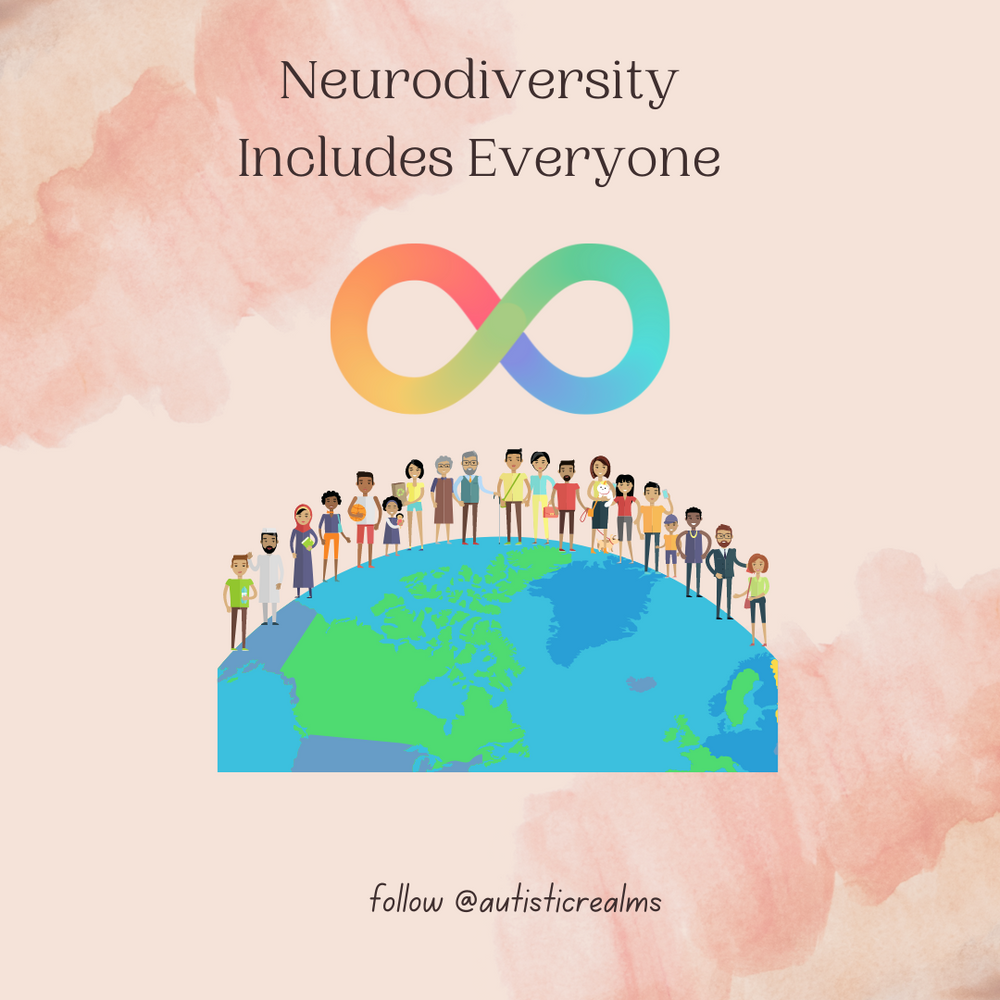
Beyond the specifics of language and vocabulary everyone needs understanding, and the opportunity to develop meaningful relationships regardless of neurodivergence, disability, medical/health care needs, race, gender or any other differences.

I previously wrote about the time working with children in my class who had the most complex, profound intellectual and multiple disabilities; ‘there was never a need for any words between us, there was just a deep understanding and a connection‘.

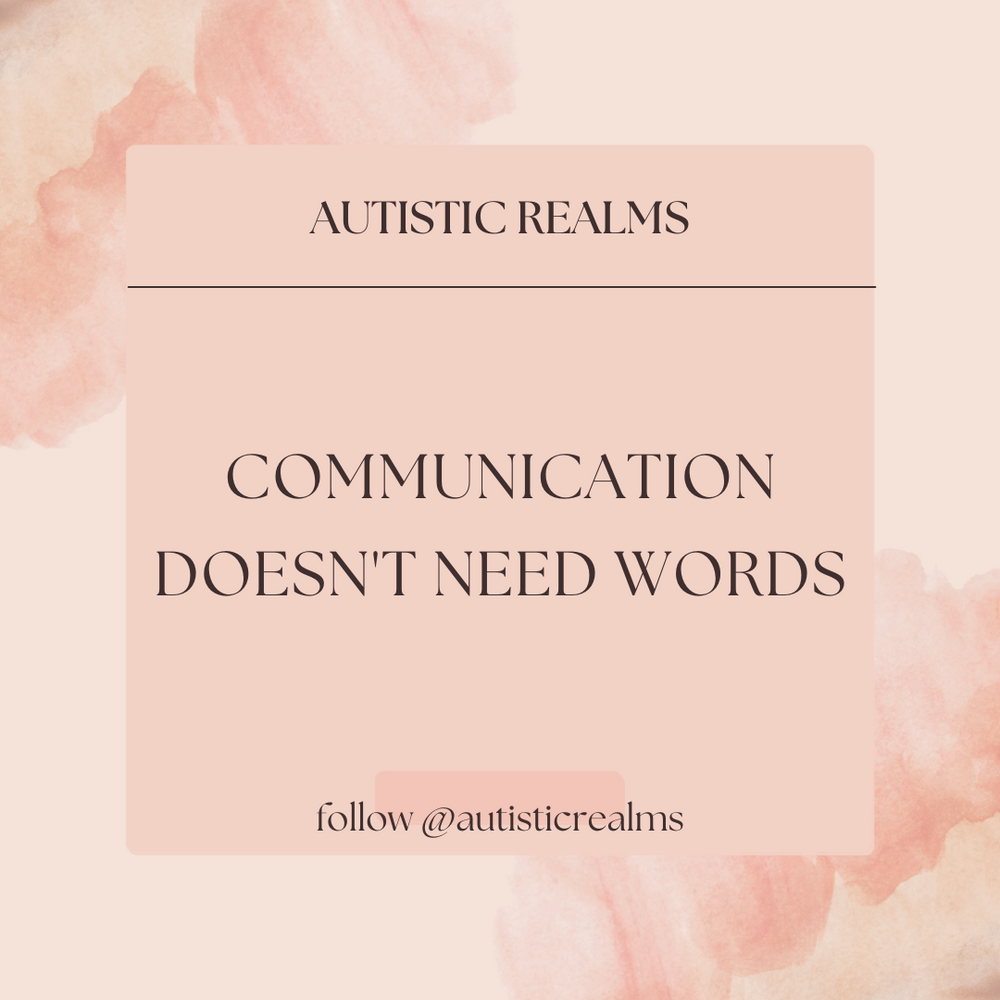
Communication doesn’t always need words, but we do need language to develop understanding around neurodivergence and to advocate for change.

Some of my previous articles that relate may be of interest:
**Article written from my lived experience as a parent and teacher. Knowledge gained through various personal research and neurodivergent communities.

Autistic Realms is a space for parent support and teacher guidance

Autistic Realms is not a business or a charity**


Latest Posts

  • Autistic Burnout – Supporting Young People At Home & School

    Autistic Burnout – Supporting Young People At Home & School

    Autistic burnout in young people is real—and recovery starts with understanding. This post offers neuroaffirming ways to spot the signs, reduce demands, and truly support. 💛 #AutisticBurnout #Neuroaffirming #Monotropism #AutisticSupport


  • Monotropic Interests and Looping Thoughts

    Monotropic Interests and Looping Thoughts

    The theory of monotropism was developed by Murray, Lawson and Lesser in their article, Attention, monotropism and the diagnostic criteria for autism (2005). ​ Monotropism is increasingly considered to be the underlying principle behind autism and is becoming more widely recognised, especially within autistic and neurodivergent communities. Fergus Murray, in their article Me and Monotropism:…


  • Map of Monotropic Experiences

    Map of Monotropic Experiences

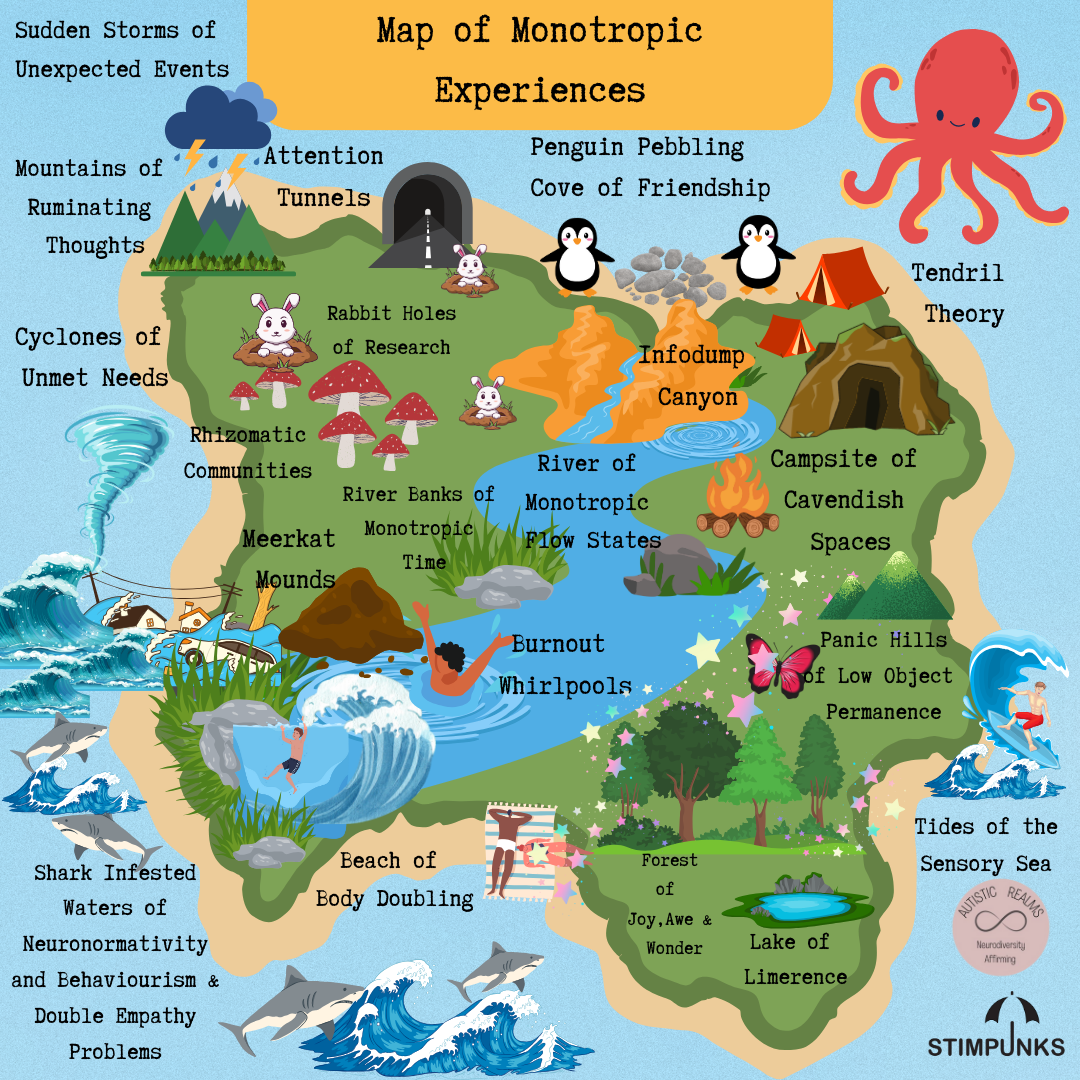
    Monotropism seeks to explain Autism in terms of attention distribution and interests.  OSF Preprints | Development and Validation of a Novel Self-Report Measure of Monotropism in Autistic and Non-Autistic People: The Monotropism Questionnaire This map highlights 20 common aspects of my personal monotropic experiences. How many do you experience? Where are you on the map…


  • Autistic Burnout – Supporting Young People At Home & School

    Autistic Burnout – Supporting Young People At Home & School

    Being autistic is not an illness or a disorder in itself, but being autistic can have an impact on a person’s mental and physical health. This is due to the often unmet needs of living in a world that is generally designed for the well-being of people who are not autistic. In addition, three-quarters of…


  • The Double Empathy Problem is DEEP

    The Double Empathy Problem is DEEP

    “The growing cracks in the thin veneer of our “civilised” economic and social operating model are impossible to ignore”, Jorn Bettin (2021). The double empathy problem (Milton, 2012) creates a gap of disconnect experienced between people due to misunderstood shared lived experiences. It is “a breakdown in reciprocity and mutual understanding that can happen between people…


  • Top 5 Neurodivergent-Informed Strategies

    Top 5 Neurodivergent-Informed Strategies

    Top 5 Neurodivergent-Informed Strategies By Helen Edgar, Autistic Realms, June 2024. 1. Be Kind Take time to listen and be with people in meaningful ways to help bridge the Double Empathy Problem (Milton, 2012). Be embodied and listen not only to people’s words but also to their bodies and sensory systems. Be responsive to people’s…


  • Autistic Community: Connections and Becoming

    Autistic Community: Connections and Becoming

    Everyone seeks connection in some way or another. Connections may look different for autistic people. In line with the motto from Anna Freud’s National Autism Trainer Programme (Acceptance, Belonging and Connection), creating a sense of acceptance and belonging is likely to be more meaningful for autistic people than putting pressure on them to try and…


  • Monotropism, Autism & OCD

    Monotropism, Autism & OCD

    Exploring similarities and differences between Autistic and OCD monotropic flow states. Can attention tunnels freeze, and thoughts get stuck?


  • Monotropism Questionnaire & Inner Autistic/ADHD Experiences

    Monotropism Questionnaire & Inner Autistic/ADHD Experiences

     Post first published 28th July 2023 Over the past few weeks, there has been a sudden surge of interest in the Monotropism Questionnaire (MQ), pre-print released in June 2023 in the research paper ‘Development and Validation of a Novel Self-Report Measure of Monotropism in Autistic and Non-Autistic People: The Monotropism Questionnaire.‘ by Garau, V., Murray,…


  • Penguin Pebbling: An Autistic Love Language

    Penguin Pebbling: An Autistic Love Language

    Penguin Pebbling is a neurodivergent way of showing you care, like sharing a meme or twig or pretty stone to say “I’m thinking of you,” inspired by penguins who gift pebbles to those they care about.


  • What Would A Neuroqueer Pedagogy Be?

    What Would A Neuroqueer Pedagogy Be?

    “What would a neuroqueer pedagogy be?” By Ombre Tarragnat (English translation with permission from Genre en Cours article Feb 2026)


  • Intensive Interaction as Neuro-Affirming Relational Practice

    Intensive Interaction as Neuro-Affirming Relational Practice

    Intensive Interaction isn’t about “fixing” or prompting communication. It’s about meeting someone where they are—through connection, attunement, and shared flow. A neuro-affirming, relational framing to support those with profound and multiple learning disabilities.


  • Weird Pride in a Hostile World

    Weird Pride in a Hostile World

    Weird Pride is a practice of becoming. A refusal to shrink. A quiet, feral devotion to staying alive as ourselves in a world that keeps trying to make us something else.


This website stores cookies on your computer. These cookies are used to provide a more personalized experience and to track your whereabouts around our website in compliance with the European General Data Protection Regulation. If you decide to to opt-out of any future tracking, a cookie will be setup in your browser to remember this choice for one year.

Accept or Deny

WordPress Cookie Plugin by Real Cookie Banner