This blog has been inspired by Thriving Autistic’s Monthly-Meet Up event I facilitated in the family room Oct 2025.
As an Autistic parent or carer navigating the world with an Autistic child or young person, you may often feel two things at once: deep, intuitive connection with your child and the frustration when so many others simply don’t get what you are trying to say or misinterpet your communication. Social interactions can be so exhausting for everyone involved!
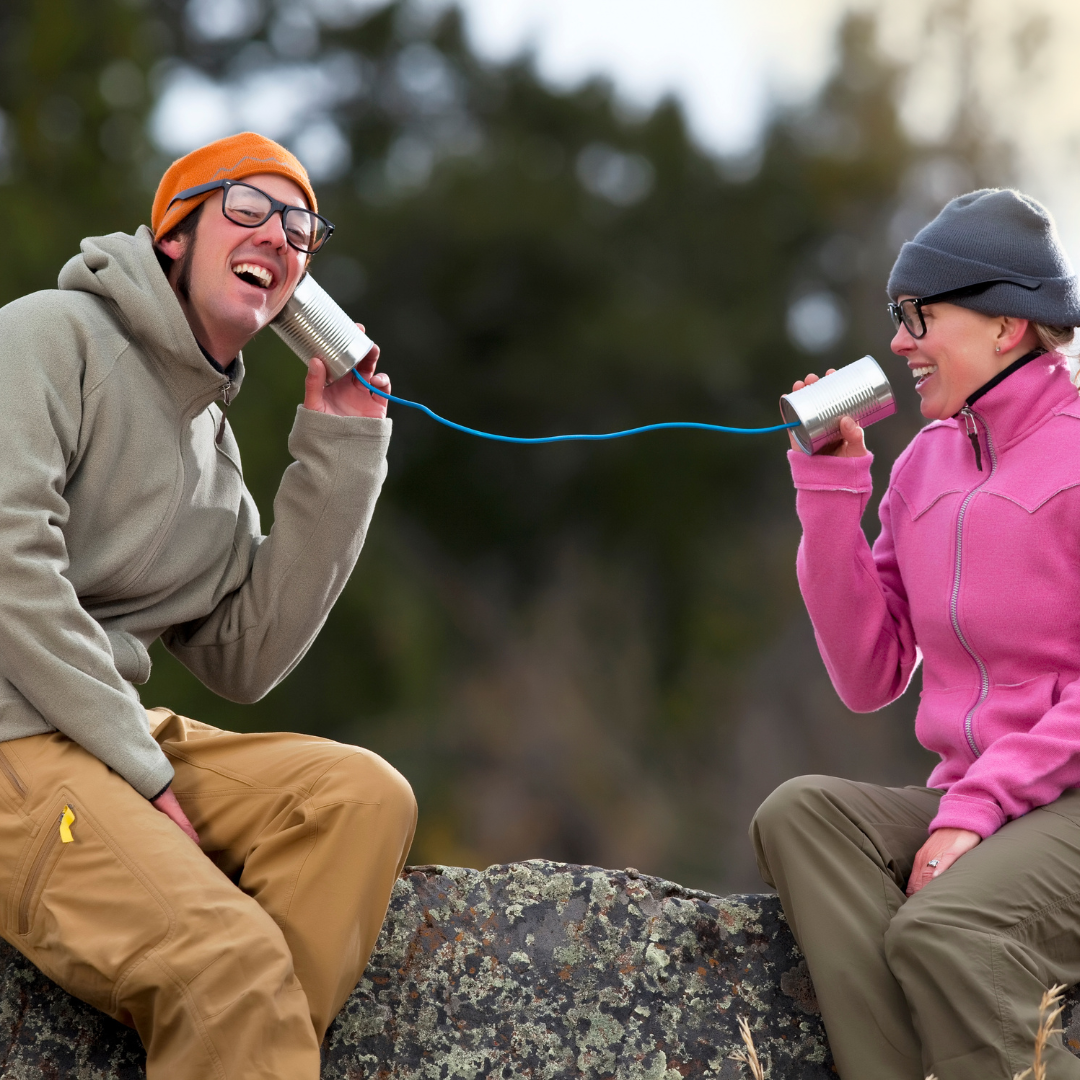
The Double Empathy Problem can help make sense of these experiences, not as a failure of you or your child because you are Autistic, but as a shared challenge in communication and understanding between people who experience the world differently.
“Right from the start, from the time someone came up with the word ‘autism,’ the condition has been judged from the outside, by its appearances, and not from the inside according to how it is experienced.”Donna Williams, (1996)
What is the Double Empathy Problem?
The Double Empathy Problem (DEP), (Milton, 2012) highlights that misunderstandings between Autistic and non-Autistic people happen both ways. The word double matters, it isn’t just a difficulty for Autistic people understanding others, non-Autistic people also struggle to understand Autistic perspectives, communication, and experiences.
This isn’t about a lack of empathy or social ability. It is about a mismatch of lived experiences, different ways of communicating, expressing emotions, reading cues, interpreting the world, processing sensory information, and building relationships. Add in other differences of intersectionality that may be at play such as differences of wether you are non or minimally speaking, a different age, race, culture or sex and it can become even more complex trying to communicate!
The ‘double empathy problem’ refers to the mutual incomprehension that occurs between people of different dispositional outlooks and personal conceptual understandings when attempts are made to communicate meaning.
Damian Milton, (2013)
https://www.autscape.org/2013/programme/handouts/Double%20empathy%20problem.pdf
Why this matters at home
At home, many Autistic children — and adults — can finally exhale. The effort of masking all day, holding in sensory distress or overwhelm , and navigating social uncertainty can be immense. Masking isn’t simply pretending to be “normal”; it’s an act of survival in environments that don’t feel safe or accepting. Every smile, every forced eye contact, every carefully managed tone of voice or attempt of communication in any way takes energy. By the time school or work ends, that energy is often spent and you may see it in your child as they have meltdowns or shutdowns after school, at the exact time you may also be reaching your own capacity as a parent too, it is hard!
When communication may be more attuned and accepting, home often becomes the one safer place where unmasking feels possible. It’s where we as Autistic parents/carers and our children can drop the scripts, stim more freely, and let our real rhythms and needs surface. The meltdowns or shutdowns that happen after school or work aren’t signs of failure or a child’s misbehaviour, they’re signs of safety — the body and mind finally releasing what it has been holding in all day.
Understanding this may help reframe those difficult moments. When we see these difficult moments as expressions of trust and exhaustion rather than defiance, we can respond with gentleness instead of frustration.
What about other social spaces?
Beyond home, many environments are set up around non-Autistic norms. Fast-paced lessons in school, work projects and meetings that feel like they are full of hidden rules.
Autistic people often communicate more naturally and comfortably with each other than with non-Autistic peers. It isn’t that connection or empathy is missing, it just needs the right safe environments and accommodations for us to be able to communicate in ways that work for us – without being further misread, dismissed or stigmatised. Many Autistic people are hyper-empathetic and this could even add to the double empathy problem and misattunement in some ways.
Supporting teachers, other professionals, family members, and peers to understand yours and your child’s way of communicating, socialising and how your energy and sensory system works can make a big difference.
I find great value and meaning in my life, and I have no wish to be cured of being myself. If you would help me, don’t try to change me to fit your world. Don’t try to confine me to some tiny part of the world that you can change to fit me. Grant me the dignity of meeting me on my own terms — recognize that we are equally alien to each other, that my ways of being are not merely damaged versions of yours.
Question your assumptions.
Define your terms.
Work with me to build more
bridges between us.
Sinclair 1992, p.302
Supporting You And Your Child
It’s not only Autistic people who must adapt and change, other people need to learn and adjust and shift too; to let go of the expectations that there is only one ‘right way’ to be and instead accommodate differences. The double empathy gap is a shared problem that goes both ways.
A few examples of this shared shift that may help Autistic people:
- Using clear, direct language
- Allowing extra time to process
- Reducing sensory overload
- Checking understanding gently: “Did I explain that okay?”
- Ensure access to meaningful AAC as needed
- Offering alternative ways of connecting – does it always need to be on the phone or in-person or could text or email work just as well?
These small acts of accommodation show respect and make space for connection, without forcing masking or asking or expecting you or your child to be someone they’re not.
Why this matters for well-being
When misunderstandings repeat day after day, the impact is more than irritation, it can become:
- Exhaustion
- Burnout
- Mental ill health
- Loss of confidence
- Feeling shame
- Feeling “too much” or “not enough”
- Loneliness even when surrounded by others
- Loss of learning opportunities
Communication difficulties are not the fault of Autistic people. Bridging empathy gaps is not just about trying to have smoother, more neuronormative interactions; it’s about protecting our self-esteem, creating a sense of belonging, validating our authentic identities, and supporting our mental health.
Practical Ideas For Families
Here are a few relationship-building ideas that may help to bridge the double empathy gap:
- Create a small “communication preferences” profile or download my Neuro-Affirming Communication and Sensory Passport for Autistic People to share with colleagues/ teachers or relatives
- Practice checking in with others and encouraging them to check in with you
- Make time to reflect when things didn’t go so well — without blame
- Celebrate when things do go well. Those small moments of true connection matter, and it may not be through words or speech – connection can happen in many ways!
A Final Thought
The Double Empathy Problem doesn’t mark a dead end, understanding that this is a real thing allows us space to advocate and support our own needs and those of our children. Empathy is a human need, not an Autistic problem. Communication differences can be seen as opportunities for bridges waiting to be built together.
Download your FREE
Neuro-Affirming Communication and Sensory Passport for Autistic People
Free Training Slides
These are the slides from Thriving Autistic Monthly Meet-Up Family Room which I faciliated(Oct 2025).
More Reading
Embrace Autism. Autism and the double empathy problem. https://embrace-autism.com/autism-and-the-double-empathy-problem/
Neurodivergent Insights. The double empathy problem. https://neurodivergentinsights.com/the-double-empathy-problem/
Reframing Autism. Milton’s double empathy problem: A summary for non-academics. https://reframingautism.org.au/miltons-double-empathy-problem-a-summary-for-non-academics/
Autism Understood. The double empathy overview. https://autismunderstood.co.uk/social-stuff/double-empathy/
Frontiers – Double Empathy: Why Autistic People Are Often Misunderstood
https://kids.frontiersin.org/articles/10.3389/frym.2021.554875
Thriving Autistic: Communication Adaptations
https://www.thrivingautistic.org/workplace-resources/#online-courses
More Communication & Health Care Passports
https://ausometraining.com/wp-content/uploads/2023/09/Passport-1.pdf
https://www.sense.org.uk/information-and-advice/life-stages/sense-communication-passport/
https://connect.humber.nhs.uk/resource/communication-passport-template-with-tips/
https://autisticgirlsnetwork.org/Student_Passport_Template.pdf
https://www.communicationpassports.org.uk/creating-passports/