Tag: Co-regulation
-

Awe, Wonder and Monotropic Attention in Neuroqueer Learning Spaces
If Helen De Cruz designed a learning space, what would it look like? Helen Edgar follows wonder and awe through monotropism, glimmers, flow and Cavendish Space.
-
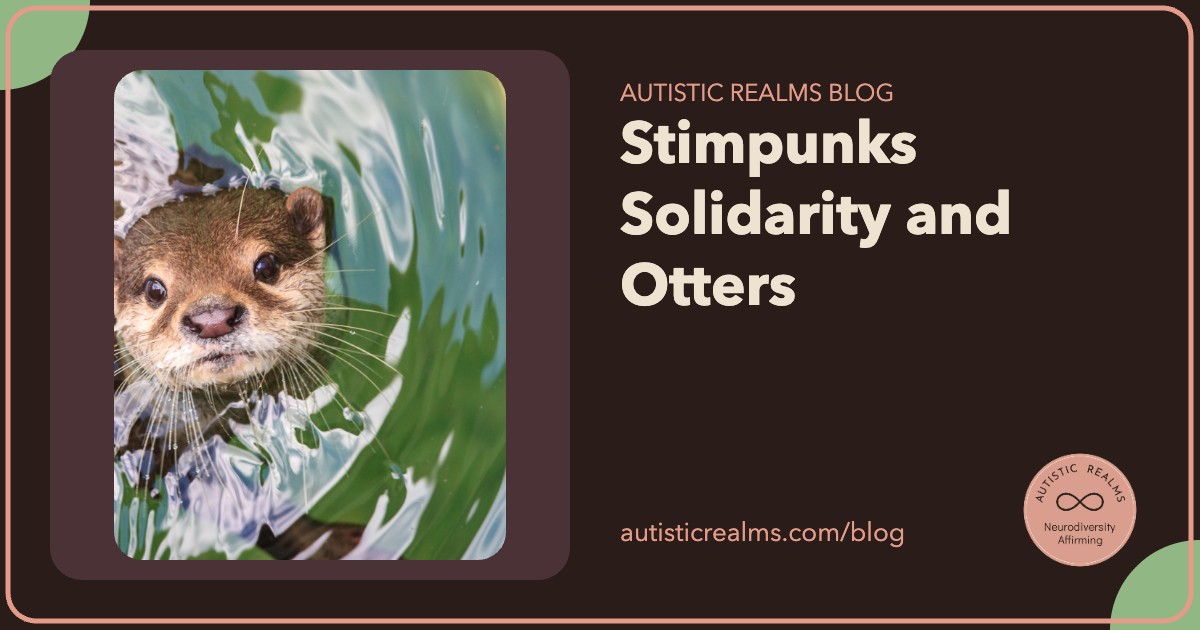
Stimpunks Solidarity and Otters
A reflection from Stimpunks Solidarity Sesh on otters, monotropism, and co-regulation, and what watching them together each week teaches us
-
Why Attachment Theory Fails Autistic People, and What Might Work Instead
If you have spent any time navigating schools, social care, or therapy as an Autistic person or supporting a loved one, you have likely encountered attachment theory. You may have been blamed for your children’s difficulties and said they were due to attachment disorders and perhaps your parenting issues, or you may have been told…
-
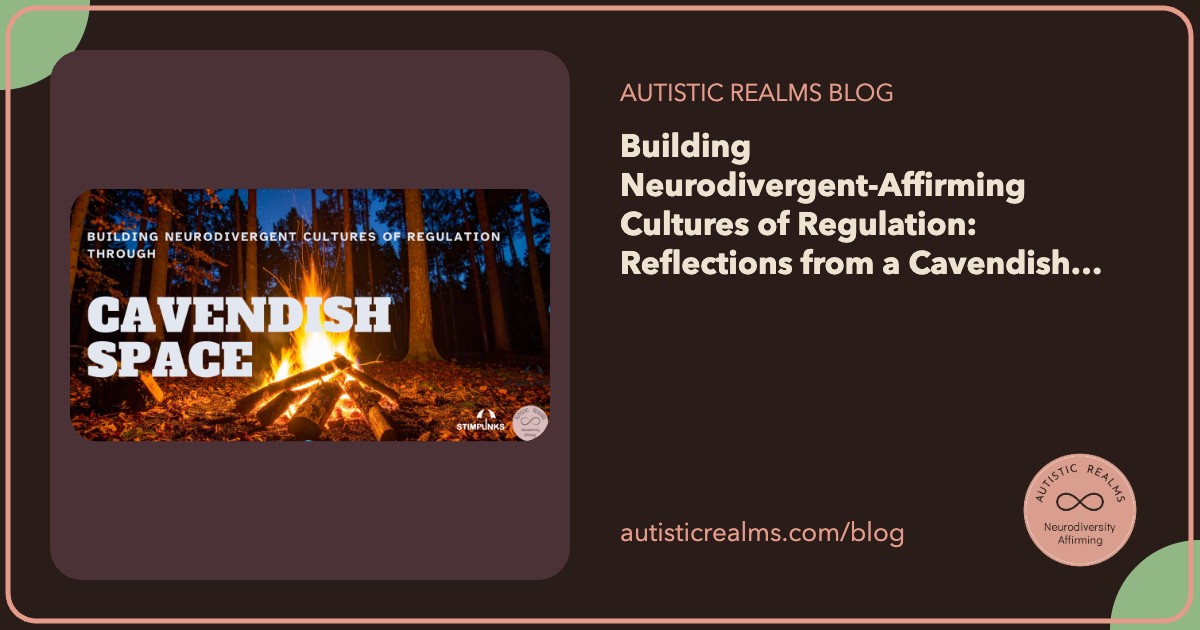
Building Neurodivergent-Affirming Cultures of Regulation: Reflections from a Cavendish Space Workshop
What does regulation really mean for neurodivergent people? Helen Edgar reflects on Cavendish Space, co-regulation, and building cultures where our nervous systems can thrive.
-
No Space Is Neutral: Safe Spaces, Imagined Neutrality, and the Work of Belonging
: No space is neutral. Exploring minority stress, the Double Empathy Problem, and what it really takes to build safer, neuroqueer spaces together.
-
The Autistic Rhizome: Community, Liminal Spaces & Belonging
Autistic belonging grows through community, from liminal spaces, not conformity.
-
Beyond “Complex Needs”: Neuro-Affirming, Relational Practice with Children with Profound and Multiple Learning Disabilities
A neuro-affirming, relational approach to supporting children with profound and multiple learning disabilities, centred on safety, communication, and being-with.
-
Ethics & Values of Autistic Realms
Autistic Realms is grounded in values of authenticity, autonomy, and relational care for the human rights of Autistic or otherwise neurodivergent and disabled people. These guiding principles align closely with the ethics and principles of both the Therapist Neurodiversity Collective (TNDC) and the Autistic Self Advocacy Network (which I am a member of – ASAN),…
-
Why “Interest-Led” Isn’t Enough: Embracing Monotropism & Neuro-Affirming Practice
Many approaches claim to be “interest-led,” but true neuroaffirming practice goes deeper. Being monotropism-informed means honouring Autistic attention, autonomy, and sensory safety; not using children’s passions to shape compliance. Real inclusion celebrates authentic joy, not conformity.
-
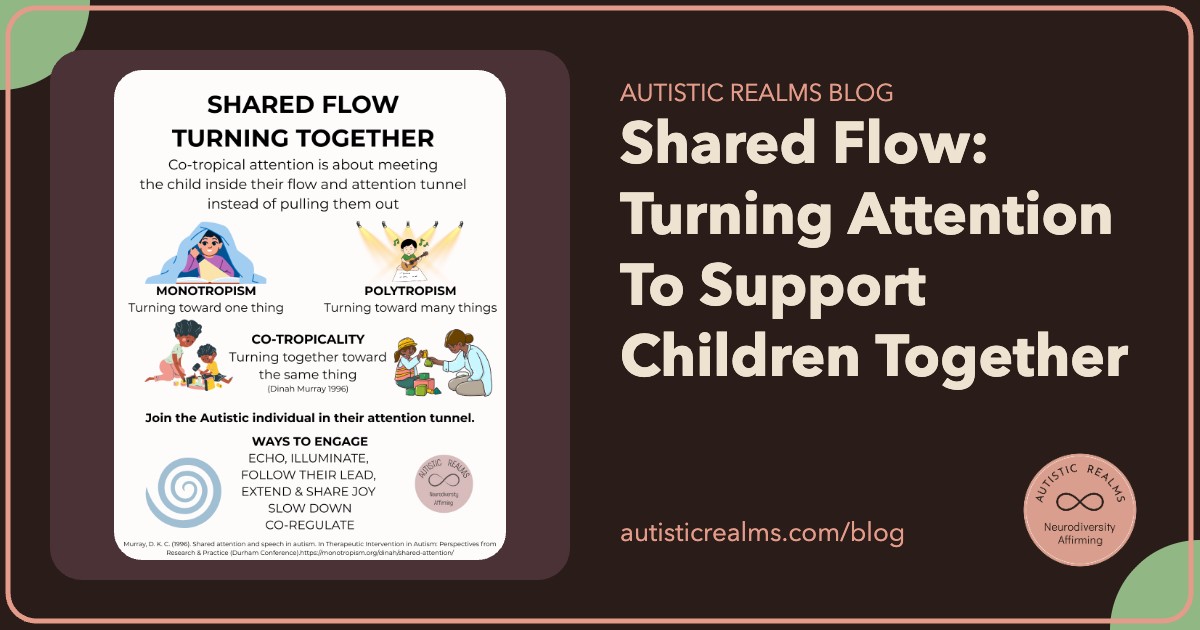
Shared Flow: Turning Attention To Support Children Together
Discover Dinah Murray’s concept of co-tropicality—turning our attention together. Explore how joining Autistic children in their flow builds trust, co-regulation, and deep relational connection through shared focus and joy.
-
Protecting the Meaning of Neuro-Affirming Practice
Discover what genuine neuro-affirming practice looks like — beyond tokenism and “neurodiversity-lite.” Explore how to protect the heart of the neurodiversity movement and uphold its community-led roots.
-
Ethodivergent Hearth Building: A Relational Neuroqueering Community Practice
Explore ethodivergent hearth building as a neuroqueer, relational practice of care, kinship, and more-than-human community with Autistic Realms & Stimpunks.
-
Autistic Pride: Restorying & Unknowing Autism
Restorying is how we reclaim our Autistic voices, honour our ways of knowing, and build futures rooted in connection, not correction.
-
Being With People with Profound and Multiple Learning Disabilities Through Attunement and Shared Time
There’s something incredibly powerful in the simple idea of being with someone. Not doing to or even doing with or for, but truly being with. For people with PMLD, attunement, emotional connection, and flexible shared time can help to create more space for trust and support wellbeing.
-
Obstacles in the way of Neuro-Affirming Practice in Educational Settings & Ways Forward
Implementing neurodiversity-affirming practices in education, healthcare, and other systems is often hindered by pervasive narratives and biases. Recognizing and addressing these obstacles is crucial for fostering inclusive and supportive environments for neurodivergent and disabled individuals. Here are some common barriers that I have been working on with Stimpunks, who have a more in-depth page with…
-
Autistic Burnout – Supporting Young People At Home & School
Autistic burnout in young people is real—and recovery starts with understanding. This post offers neuroaffirming ways to spot the signs, reduce demands, and truly support. 💛 #AutisticBurnout #Neuroaffirming #Monotropism #AutisticSupport
-
Spaces For Multi-Sensory Learners and those with Profound and Multiple Learning Disabilities
Helen Edgar (Autistic Realms) and Ryan Boren (Stimpunks) have been exploring radically inclusive learning environments. Cavendish learning spaces are based on flexibility, interaction, movement and the role of embodied responsive experiences. We reject the boundaries of traditional classroom settings and look at how they not only restrict embodied experiences but lead to disembodied experiences and…
-
Neurodivergent Co-Regulation
Being neurodivergent can be really hard work in a world that is mostly still lacking in an understanding of the differences in sensory, social, and communication needs of autistic/ADHD and other neurodivergent people. Different lived experiences can create a double empathy gap (Milton, 2012). This means that people’s needs are often not adequately met, and…
-
Supporting pupils through Autistic Burnout (Neuro-Affirming Teacher Guide)
Supporting pupils through Autistic Burnout (Neuro-Affirming Teacher Guide)
-
Supporting Children through Autistic Burnout (Parent/Carer Guide)
Updated October 2026. This guide was one of the first things I wrote for Autistic Realms, and it is still the page most parents arrive at. Since then I have gathered everything on burnout into one place, the Autistic burnout hub, and written about how burnout differs from depression and about spoon theory and energy.…